
Cameron McEvoy breaks César Cielo’s 2009 mark in the 50m freestyle with historic time in Shenzhen

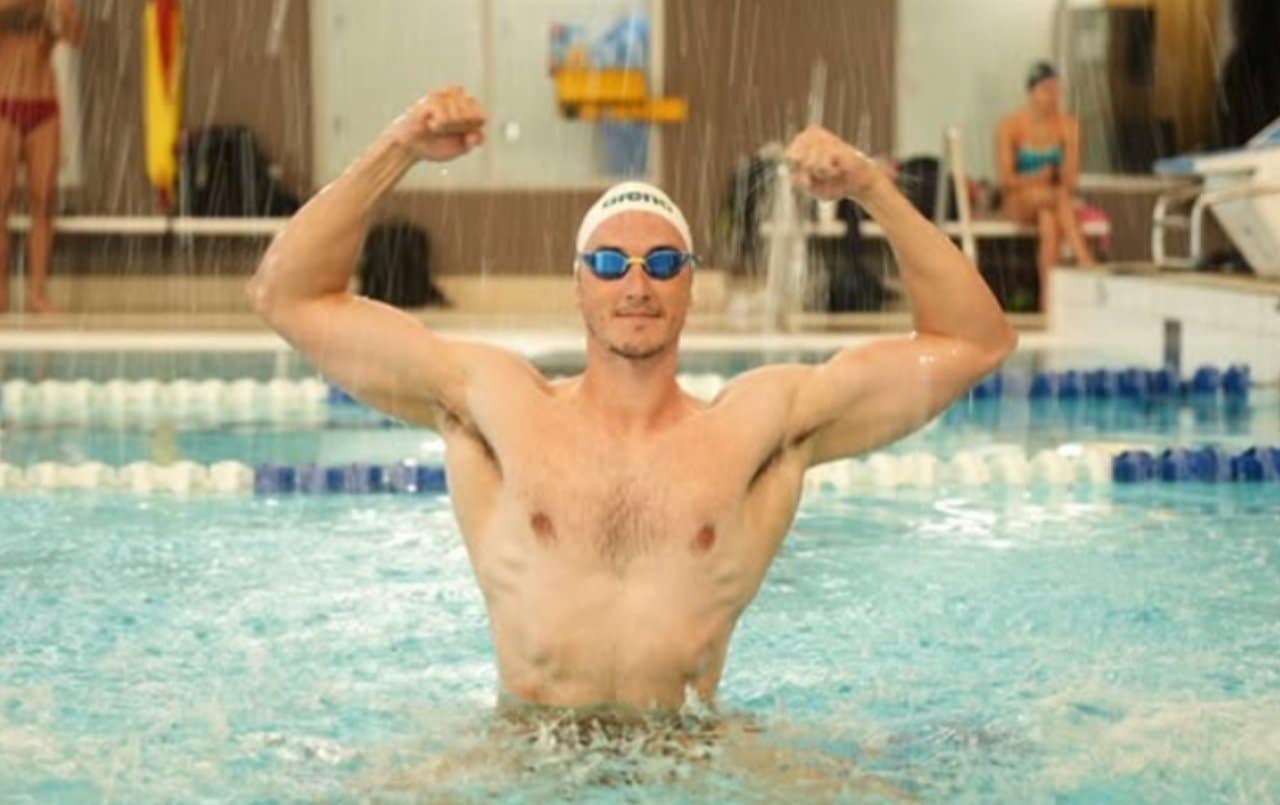
The world of world swimming witnessed a significant turning point, with Australian swimmer Cameron McEvoy surpassing one of the longest-running and most emblematic records in the sport. In a performance that will go down in history, McEvoy set a new time in the 50 meter freestyle, beating the mark that belonged to Brazilian César Cielo for more than 16 years. The feat, which took place in Shenzhen, in China, reignites debates about the limits of human performance and the evolution of sport after the era of technological suits.
The 50 meter freestyle race is known for its intensity and the incessant search for fractions of a second. Breaking a record that had seemed unbeatable since 2009 represents not only an individual achievement for the Australian athlete, but also a milestone for swimming, which saw its records being redefined in a competitive scenario without the aids that were a watershed in the past. The new time of 20.88 seconds demonstrates the ability of current athletes to overcome barriers previously considered insurmountable.
This remarkable performance by McEvoy is not an isolated event, but the culmination of years of dedication and technical improvement. Overcoming the 20.91 second mark of Cielo is a testimony to the resilience and evolution of training, biomechanics and mental preparation of contemporary swimmers. The global aquatics community now turns its eyes to the future, anticipating new feats and the redefinition of standards in the sport.
Cameron McEvoy’s 50m freestyle world record 🇦🇺 20.88 at China Openpic.twitter.com/MiZRtnZcdL
—Coach Alex Pussieldi (@alexpussieldi)March 20, 2026
Historical context of the surpassed brand
The previous mark for the 50 meter freestyle, 20.91 seconds, was set by César Cielo on December 18, 2009, during the Brazilian championships. Naquela time, swimming was experiencing the era of polyurethane suits, high-tech materials that provided swimmers with a significant hydrodynamic advantage. Esses facts revolutionized the sport, resulting in a flood of world records that generated heated discussions about the integrity of the achievements.
Shortly afterwards, Federação Internacional of Natação (FINA), now known as World Aquatics, intervened. At the end of 2009, the entity banned the use of polyurethane and neoprene suits in official competitions, recognizing the unfair advantage they offered, mainly in reducing friction and increasing buoyancy. Essa decision sought to restore competition based purely on the talent and effort of athletes, making Cielo’s record a symbol of that era.
McEvoy’s performance in Shenzhen
In a demonstration of refined strength and technique, Cameron McEvoy completed the 50 meter freestyle in 20.88 seconds in the competition held in Shenzhen. Este time represents a substantial improvement over his own previous best in the race, which was 21.06 seconds, showing a notable peak. The performance highlighted his meticulous preparation and his ability to perform under pressure on an international stage.
During the same competition, McEvoy overcame strong opponents. North American Jack Alex came in second with a time of 21.57 seconds, while McEvoy’s compatriot, Kyle Chalmers, secured third place with 22.01 seconds. The victory not only carved his name into the history of records, but also reaffirmed his dominance in the fastest event in swimming.
The event in Shenzhen, therefore, was not just a stage in a circuit, but a decisive moment that rewrote part of the swimming record book. McEvoy’s speed, combined with the precision of his technique, resulted in a performance that now serves as a new benchmark for aquatic sprinters around the world.
Cesar Cielo’s legacy in swimming
César Cielo Filho is a legendary figure in Brazilian and world swimming, recognized for his historic achievements, including Olympic gold in the 50 meter freestyle in Pequim 2008 and multiple world titles. Seu recorde mundial de 20,91 segundos nos 50 metros livres, estabelecido em 2009, permaneceu por mais de uma década, tornando-se um dos mais duradouros da era pós-trajes tecnológicos. The persistence of this brand, even after the ban on special equipment, cemented his reputation as one of the greatest sprinters of all time.
Despite his record being broken, Cielo demonstrated great sportsmanship. In a post on social media, the Brazilian swimmer congratulated his successor, Cameron McEvoy, on the “incredible” feat. Essa atitude de reconhecimento e admiração mútua sublinha o respeito entre os grandes nomes do esporte, mostrando que, além da competição, existe um legado de inspiração e excelência.
The trajectory of the Australian teacher
Cameron McEvoy, 31, is affectionately nicknamed ‘Professor’ due to his cerebral and analytical approach to swimming. Sua career is marked by a series of achievements, including the status of current Olympic champion in the 50 meter freestyle, a medal won in the Jogos of Paris 2024. Este title already positioned him as one of the main names in speed in world swimming.
Throughout his career, McEvoy has demonstrated continuous evolution, combining natural talent with a rigorous training regime. Sua dedication to sports science and optimizing every technical detail set him apart. The Olympic gold medal and now the world record are the culmination of years of hard work and a relentless pursuit of perfection.
McEvoy’s ability to remain at the top of elite swimming for so long, adapting to changing rules and competition, is remarkable. Seu nickname reflects not only his intelligence in the pool, but also his influence as a role model for other swimmers, inspiring them to approach the sport with discipline and strategy.
The Australian swimmer has been a constant figure in major events, accumulating experience and perfecting his technique. Sua journey is an example of how passion and commitment can lead to overcoming previously unimaginable limits, rewriting the history of sport with each event.
Reactions and recognition in sport
Cameron McEvoy’s world record breaking of César Cielo has sparked a wave of reactions in the swimming community. Cielo’s congratulatory message on social media, calling the achievement “incredible”, and McEvoy’s response, who quoted Isaac Newton’s phrase about “standing on the shoulders of giants” to refer to the Brazilian as his role model, illustrate the respect and camaraderie present at a high competitive level. Essa interaction highlights the importance of Cielo as a lasting inspiration for younger generations of swimmers.
The news quickly spread across specialist media outlets and digital platforms, with commentators and former athletes expressing admiration for McEvoy’s performance. The feat is widely seen as a significant milestone, not only because of the speed achieved, but also because it symbolizes the overcoming of an era marked by suit technology, proving that talent and human effort prevail. The new brand serves as a catalyst for discussion about the future of records and the ability of athletes to redefine standards without the help of materials that alter the dynamics of events.
The impact on the world swimming scene
The breaking of a record as long-standing as César Cielo in the 50 meter freestyle by Cameron McEvoy has profound implications for the global swimming scene. First, it validates the belief that the limits of human performance continue to be pushed, even after the ban on high-tech suits that marked 2009 as a year of unprecedented records. Este event suggests that contemporary athletes, through advances in training, nutrition, recovery and sports science, are finding new ways to optimize their performance. The fact that McEvoy achieved this milestone demonstrates that swimming has entered a new phase, where excellence is forged through a combination of raw talent and an increasingly sophisticated approach to athletic preparation. Este feat can inspire a new generation of sprinters to aim even higher, with the certainty that records, no matter how established they may seem, are made to be broken. Além In addition, breaking a record in such an iconic event as the 50 meter freestyle attracts renewed attention to the sport, generating interest from fans, sponsors and the media, which is crucial for the growth and visibility of swimming on the global sporting scene.
Perspectives for upcoming competitions
With the 50 meter freestyle world record now in his hands, Cameron McEvoy positions himself as one of the most closely watched athletes in the upcoming major competitions. Suas recent performances, including Olympic gold in Paris 2024 and this new record, put him in the spotlight for events such as the upcoming world championships and, in the future, the Jogos Olímpicos. Expectations are high to see if the Australian “professor” will be able to maintain his hegemony and perhaps even improve his own brand.
McEvoy’s performance also adds a layer of emotion to the pool rivalries. Outros sprinters now have a new target to pursue, intensifying the competition and promising even more electrifying races. Breaking this record is not just an individual feat, but a catalyst for the continued evolution of speed swimming on a global scale, fueling the quest for new limits and excellence.



