
Capcom defines release schedule for the Resident Evil franchise with new remakes and new games

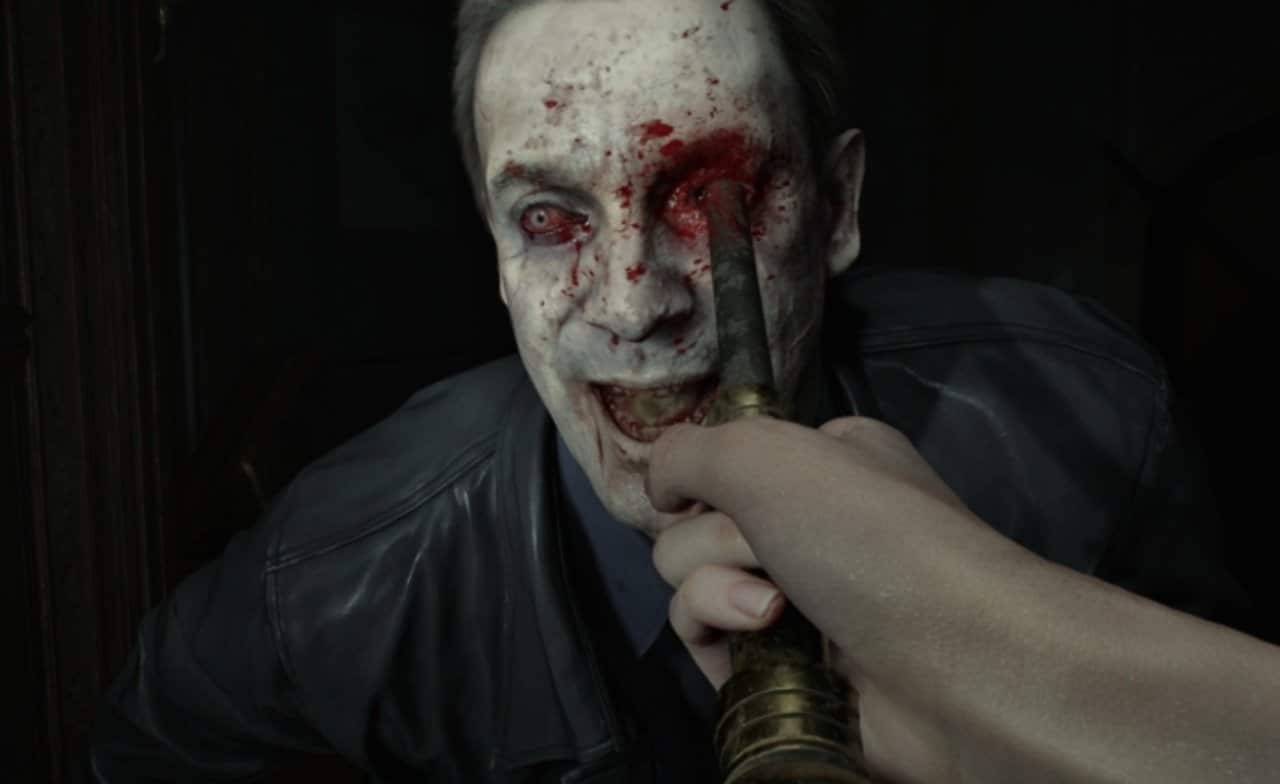
Japanese developer Capcom has laid out a comprehensive strategic plan for the future of its flagship survival horror franchise over the next decade. The company’s internal schedule points to an aggressive expansion of the catalog, combining the development of new mainline titles with the continuity of the project to recreate classic games. The strategy aims to consolidate the brand’s presence in the global digital entertainment market and attract both veteran players and new audiences.
The company’s business plan involves the allocation of hundreds of specialized professionals and massive investments in research and development. The main guideline focuses on maintaining the visual and technical quality that has become a trademark of the company in recent years. Production teams were divided to work simultaneously on multiple projects, ensuring a steady flow of annual or biannual releases to consumers.
To sustain this production cadence, the developer improved its internal creation tools and established new project management protocols. The restructuring aims to avoid long periods without news for the gaming community and maximize the financial return on intellectual property.
Market strategy and catalog expansion
The producer’s commercial approach is based on the resounding success achieved by recent recreations of popular titles. The commercial acceptance of these works validated the company’s business model, encouraging the board to approve the modernization of other historical chapters in the saga. The central objective is to update game mechanics and graphics to contemporary standards, while preserving the original narrative essence.
In addition to the recreations, the main line of the franchise will continue to advance with new stories and new protagonists. The transition between console generations requires developers to explore new technical possibilities, implementing more advanced artificial intelligence for enemies and more interactive environments. The integration of these technological innovations is essential to maintain the product’s competitiveness in the fierce electronic games market.
The lifecycle management of each release has also undergone significant changes compared to past practices. The company plans to offer extended post-launch support, providing additional content and software updates that keep players engaged for months after their initial purchase. Essa user retention tactic has become a standard in the modern interactive entertainment industry.
Details about the ninth chapter of the series
The development of the ninth main game in the franchise is at an advanced stage, with plans to introduce new elements into the gameplay structure. The creative team focused on expanding the universe established in previous titles, incorporating new dynamics of exploration and combat. The project aims to deliver an immersive experience that uses the full potential of the company’s proprietary graphics engine.
Among the new features planned for this launch, specific additions that aim to diversify the content offer for users stand out:
– Inclusão of a secondary campaign with limited missions and specific objectives.
– Implementação of new game modes focused on survival challenges and improved artificial intelligence.
– Ciclo life span extended through regular software updates and digital formats.
Timeline for upcoming classic recreations
The developer’s internal calendar establishes the year 2027 for the launch of the recreation of the title focused on the character Claire Redfield, originally released for the sixth generation of consoles. The project is in the process of completely updating its control systems, graphics and audio design. The modernization aims to fix the original game’s pacing issues and adapt the narrative to better align with recent releases.
The following year, in 2028, the company plans to make available the modernized version of the chapter that narrates the events prior to the first game in the series. Esta specific work presents unique design challenges, as it involves the mechanics of simultaneous control of two protagonists. Developers work to refine this system, eliminating the technical limitations of the original hardware and offering a fluid transition between characters.
Resource allocation for these projects was divided between different internal studios and trusted external partners. Essa division of tasks allows the company to maintain a strict release schedule without overloading a single development team. Quality supervision remains centralized at the company’s headquarters at Japão, ensuring the visual and narrative cohesion of all products.
The decision to prioritize these specific titles meets a historical demand from the consumer base. Pesquisas market conducted by the producer indicated a high level of interest in modernizing these stories, which fill important gaps in the chronology of the fictional universe. The sales expectation for these recreations is comparable to that of the main chapters of the franchise.
Initial planning for the tenth game
The preliminary design phases for the tenth chapter of the main line have already begun at the company’s offices, with a projected launch window for the end of the decade. The creative team works on developing artistic concepts and defining the narrative tone that will guide the next iteration of the series. Long-term planning requires developers to anticipate technological trends and public preferences that will be in vogue in the coming years. The structuring of this project involves creating gameplay prototypes and experimenting with new interaction mechanics in virtual environments.
The project’s direction seeks to innovate without alienating the established fan base, balancing classic psychological horror elements with dynamic action sequences. The transition to a franchise milestone number carries an inherent pressure for significant innovation. Software engineers are evaluating the capabilities of future hardware platforms to ensure that the game offers a clear qualitative leap over its predecessors. Managing public expectations and maintaining industrial secrecy are absolute priorities during this initial phase of development.
Technological evolution and proprietary graphics engine
The backbone of all of the company’s development planning lies in the continuous evolution of its proprietary graphics engine, known for its efficiency and photorealism. The software tool undergoes constant updates to support ultra-high-resolution textures, complex physics simulations, and advanced real-time global illumination systems. Standardizing the use of this engine across all franchise projects allows for efficient sharing of resources, three-dimensional models and programming codes between different development teams. Essa technological synergy drastically reduces operational costs and the time required to create new virtual environments. Além Additionally, the software’s flexible architecture makes it easy to adapt games to a wide variety of platforms, from high-performance desktop consoles to compatible personal computers and mobile devices. The engineering team dedicates significant efforts to optimizing thermal performance and memory consumption, ensuring that titles run stably even in high graphics processing demand situations.
Expansion of intellectual property
In parallel with the development of electronic games, the company intensifies its efforts to expand the brand in other entertainment media. The licensing department works to coordinate film adaptations, animated series and a wide range of consumer products. Essa transmedia strategy aims to increase the franchise’s global recognition and generate diversified revenue sources, mitigating the risks associated with the volatility of the games market.
Possibility of returning to origins
The developer’s long-term schedule also includes discussions about a new modernization of the first game in the series, with predictions pointing to the beginning of the next decade. The intention is to reinterpret the franchise’s foundational work using the latest technologies, offering a completely new perspective on the events that began the saga. The project would require a complete reconstruction of iconic scenarios and a profound overhaul of survival mechanics.
The execution of this idea depends on a careful analysis of the market and alignment with the already established launch calendar. The board evaluates the impact that a new version of the classic would have on brand perception, seeking to ensure that the final product honors the historical legacy of the original work while attracting a new generation of consumers. Strict quality control management will dictate the pace of approval and development of this initiative.



