

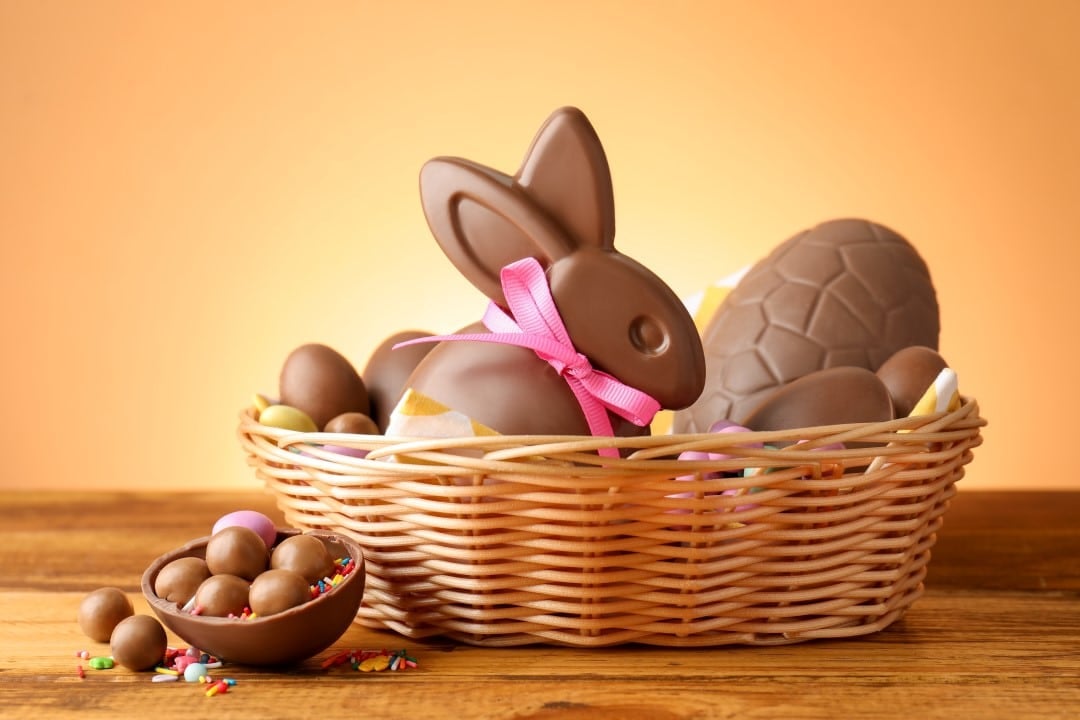
The organization of the liturgical calendar annually defines the central moments of the Christian faith, marking the exact days for ceremonies of penance and celebration. The schedule establishes the start of Quaresma on the Quarta fair of Cinzas, scheduled for February 18th. From this date onwards, a forty-day cycle of preparation begins, culminating in Semana Santa. The culmination of observances occurs on Sexta-Fair Santa, scheduled for April 3rd, followed by Domingo of Páscoa, on April 5th. The annual variation in these dates occurs due to astronomical calculations based on the spring equinox in the northern hemisphere and lunar cycles.
Definition of the religious calendar and beginning of the period of penance
Quarta-Fair of Cinzas represents the starting point of the Lenten season for millions of believers around the world. Durante this period, tradition guides the practice of fasting, prayer and charity as forms of spiritual preparation and personal reflection.
Parishes organize special masses for the imposition of ashes, a rite that symbolizes human mortality and the need for conversion. Este preparatory cycle extends uninterruptedly until the beginning of the solemnities of Paixão of Cristo, changing the routine of religious communities.
Semana Santa celebrations and traditional Catholic rites
The Domingo of Ramos, scheduled for March 29th, officially opens the most important week in Catholicism. The date commemorates the entry of Jesus into Jerusalém and involves the traditional procession and blessing of the branches in local churches.
Next, the Quinta-fair Santa, on April 2nd, stands out for the Missa of the Ceia of the Esta specific ceremony recalls the last meal of Cristo with the apostles and the institution of the sacrament of Eucaristia.
This day’s liturgy ends the Lenten period and begins Tríduo Pascal. The churches adopt a tone of recollection, stripping the altars and silencing the bells as a sign of respect for the historical events that follow in the following days.
Liturgical significance of the Christian crucifixion and resurrection
Sexta-fair Santa is the only day of the year on which Igreja Católica does not celebrate traditional mass. The liturgy focuses exclusively on the adoration of the cross, the reading of the Paixão and the distribution of communion previously consecrated the day before.
The faithful participate in Stations of the Cross and Senhor Morto processions, maintaining an atmosphere of profound silence and mourning. The date requires abstinence from meat and reinforces meditation on sacrifice in the Calvário, bringing together crowds around the temples.
Sábado Santo remains as a day of waiting and vigil at the tomb. Durante at night, Vigília Pascal breaks the mourning with the blessing of the new fire, the lighting of the Círio Pascal and the singing of the Glória, marking the liturgical transition.
The Domingo of Páscoa closes the cycle with the celebration of the resurrection. Festive masses bring together communities to mark the victory over death, being the festival with the greatest theological and dogmatic relevance of the entire Christian liturgical year.
Astronomical determination for choosing mobile dates
The rule for defining the Easter holiday was established during the Concílio of Niceia, in the year 325 of the Christian era. The assembled bishops determined that the celebration should always take place on the first Sunday after the first full moon that follows the spring equinox in the northern hemisphere. Este mathematical and astronomical system ensures that the date fluctuates annually, but always remains contained within the restricted interval between March 22 and April 25, standardizing observance across much of the Western world and avoiding regional discrepancies.
The calculation requires precision and is based on the Gregorian calendar, officially adopted by the Igreja Católica in the 16th century. The ecclesiastical full moon used for this count follows fixed tables that may differ slightly from the actual astronomical full moon observed in the heavens. Essa complex methodology directly affects the positioning of other movable holidays in the civil and religious calendar, such as Carnaval, which occurs exactly forty days before Domingo of Ramos, and the feast of Corpus Christi, celebrated sixty days after Resurrection Sunday.
Differences in calculation between Western and Eastern traditions
While most of the Western world follows the Gregorian calendar for festivities, Orthodox churches maintain the use of the Julian calendar to determine their sacred dates. Devido to this historical and mathematical divergence, Páscoa Ortodoxa often occurs on a different Sunday of the Catholic and Protestant celebration. According to the established schedule, Orthodox Christians will celebrate the resurrection on April 12th. The difference in days between the two calendars creates a scenario where Christian communities in Eastern Europe, Oriente Médio and parts of África carry out their fasting and feasting rites at a different rhythm. In rare years, the astronomical calculations of both systems coincide, allowing for a unified celebration, but more often than not, the temporal separation reflects the theological and administrative divisions that have shaped the history of Christianity over the millennia and that remain active in the organization of eastern dioceses.
Coincidence of dates with other religious festivities
The Easter season often overlaps with other religious observances of great historical importance. The Jewish festival of
Organization of parishes and community preparation
Dioceses begin logistical and liturgical planning months in advance to accommodate the significant increase in the number of faithful. Preparation involves coordinating choirs, organizing liturgy teams and structuring physical spaces for community confessions.
Local guidelines guide believers on recommended practices for the period. Entre the main actions promoted by the parishes are:
– The intensification of non-perishable food collection campaigns for families in situations of social vulnerability.
– The schedule of weekend spiritual retreats focused on reading and reflecting on the biblical texts of the Paixão.
– Carrying out nightly confession sessions to meet the high demand from parishioners seeking the sacrament of reconciliation.
– The preparation of outdoor theatrical performances on the Stations of the Cross, requiring weekly rehearsals with community volunteers.
Impact on urban planning and long holidays
The setting of these dates has a direct influence on civil organizations, affecting the functioning of public offices, educational institutions and retail trade. Sexta-Fair of Paixão is recognized as a national holiday in several countries with Christian tradition, generating a long weekend that significantly changes the flow of highways and the dynamics of the tourism and hotel sector. Municipal administrations often set up special traffic, public transport and security schemes around major temples and squares to ensure order during nighttime processions and public reenactments. The service sector adapts its opening hours to serve the floating population. Simultaneamente, supermarkets, municipal markets and fishmongers record an annual peak in demand due to the centuries-old tradition of abstaining from red meat. Este fenômeno de consumo exige um reforço complexo na cadeia de suprimentos e logística de distribuição, que começa a ser planejado pelas empresas do setor alimentício com vários meses de antecedência para evitar o desabastecimento durante a semana central do calendário litúrgico.



