
Discover the top 5 Chuck Norris films that marked the history of global action cinema

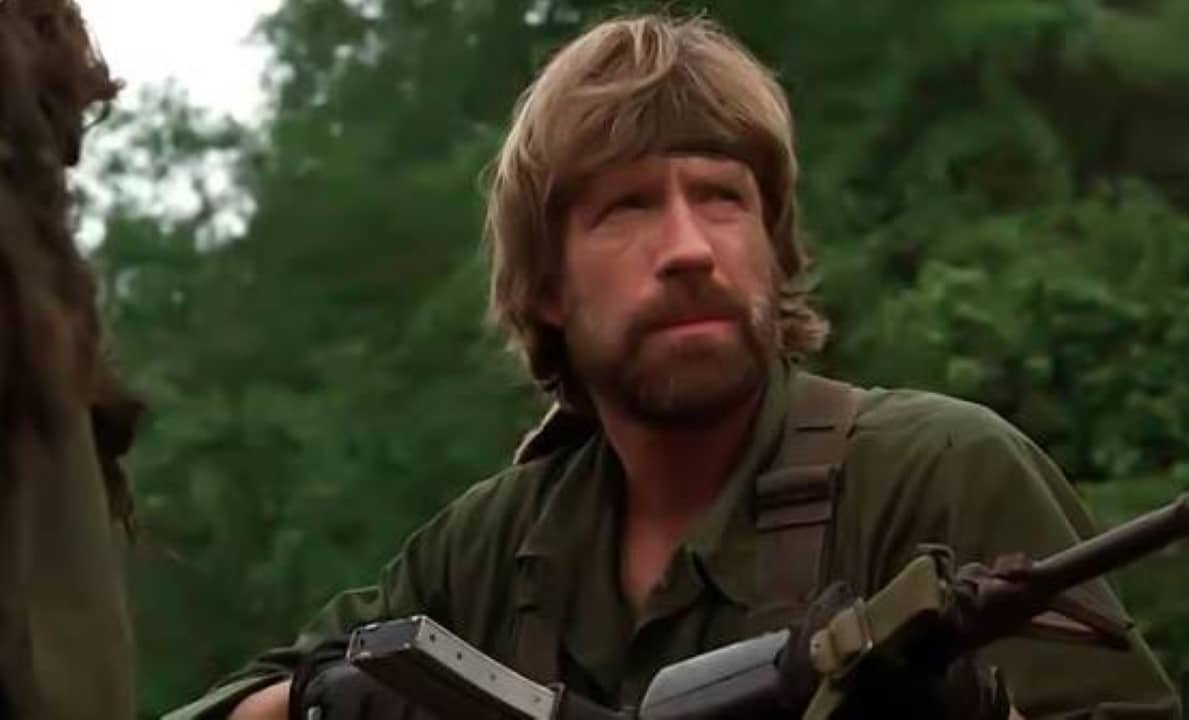
The medical emergency recorded on the island of Kauai, in the Havaí archipelago, culminated in the death of one of the biggest names in martial arts this Friday. The artist died at the age of 86 after being rushed to a local health unit, interrupting a routine he maintained privately in the island region. Clinical details about the exact cause of death remain confidential, pending a formal statement from family members and the medical team responsible for emergency care. The logistics of care in island areas require specific stabilization protocols, and health professionals acted extremely quickly to guarantee the necessary vital support during the journey to the main medical center in the region.
The initial impact on the screen and the transition from the mats to the studios
Born with the registration name Carlos Ray Norris, his early adult life involved service to Força Aérea of Estados Unidos in Coreia of Sul. Essa military phase established the first direct contact with traditional Eastern combat disciplines, definitively changing his professional trajectory.
Rigorous training on the Asian continent shaped his physical fitness and laid the foundations for a personal philosophy guided by extreme discipline. Upon returning to his country of origin, the vast knowledge he accumulated allowed the opening of several training schools focused on self-defense.
His dedication to teaching combat techniques quickly made him a respected figure on the national competitive circuit. The absolute success in the championships caught the attention of producers and casting directors, opening the doors to film acting in a time of transition in the industry.

The historic clash at Coliseu of Roma alongside martial arts legends
The first major milestone in filmography occurred with the release of the feature film recorded in 1972, where the fighter assumed the role of main antagonist. The production redefined the action genre in cinemas by presenting highly realistic combat choreography, without excessive camera cuts and focusing on the pure technique of the practitioners.
The final fight sequence, set in the ruins of the Coliseu, remains one of the most studied scenes by film experts and stunt choreographers. Collaboration with other legends of the time elevated his status from a mere sports practitioner to an authentic global box office star, guaranteeing invitations to star in his own projects.
The consolidation of the action hero in international rescue missions
During the 1980s, studios began to develop specific scripts to explore the actor’s imposing physical presence. One of the most notable productions of this phase involved the narrative of an elite task force tasked with neutralizing threats on foreign territory, based on real geopolitical events of that period.
The feature film stood out for its use of modified vehicles and risky scenes performed without the use of stunt doubles for the protagonist. The work established an aesthetic and narrative standard that influenced dozens of similar films released in subsequent years by the audiovisual industry, consolidating a subgenre focused on tactical operations.
The rescue of prisoners of war and absolute success at the box office
His portrayal of a veteran colonel who returns to Southeast Asia to locate missing soldiers became an immediate commercial phenomenon. The script explored sensitive themes of geopolitics at the time, offering the public a narrative focused on redemption and military justice through stealth incursions.
The locations in the Asian jungles required intense physical preparation from the entire recording team, facing adverse weather conditions for months. The protagonist used his real military experience to give authenticity to the handling of weapons and infiltration tactics shown on screen, dispensing with external consultants.
The production’s financial return guaranteed the creation of a lasting film franchise, with sequels that expanded the central character’s mythology. The studios behind Hollywood recognized the lucrative potential of narratives focused on lone heroes capable of overcoming entire armies with limited resources.
The work consolidated the artist’s name at the top of the entertainment hierarchy, guaranteeing million-dollar contracts and creative control over his future projects. The image of the ruthless soldier has become a pop culture icon, appearing on promotional materials in dozens of countries and generating licensed products.
The figure of the relentless ranger and justice on American borders
Transitioning to roles involving law enforcement in urban and desert settings demonstrated the actor’s versatility within the action genre. In a widely acclaimed production, the protagonist assumed the identity of a Texas ranger who operated outside institutional rules to dismantle complex criminal organizations. The narrative pitted the hero against a highly trained antagonist, culminating in hand-to-hand combat sequences that required weeks of rigorous choreographic rehearsals. The work’s success paved the way for future television adaptations that would explore similar themes with the same level of intensity and focus on the main character’s unwavering morality.
The characteristic costume, consisting of wide-brimmed hats and heavy weapons, created a visual identity instantly recognizable to the international public. The photography direction favored open shots that captured the vastness of the arid landscapes, contrasting with the brutality of the physical confrontations orchestrated by the supporting cast. The positive reception from specialized critics highlighted the film’s ability to merge classic elements of the American Western with the dynamic demands of modern martial arts cinema. The end result established a new paradigm for the representation of law enforcement agents in the audiovisual culture of that decade, directly influencing the aesthetics of subsequent police productions.
The fight against police corruption on the streets of Chicago and critical acclaim
The peak of recognition by film experts occurred with the release of a police thriller set in the urban setting of Chicago. The plot followed an incorruptible detective who found himself isolated within his own department after breaking the pact of silence that protected officers involved in illicit activities. Diferente of his previous works, predominantly focused on displays of physical strength and martial arts, this project required a higher dramatic load, exploring complex ethical and moral dilemmas within the criminal justice system. The direction opted for a darker and more realistic tone, using authentic locations in the city to give veracity to the narrative of institutional degradation and urban violence. The protagonist had to balance intense gunfight scenes with moments of introspection, proving his ability to support a script focused on the psychological development of characters under extreme pressure. The impressive box office performance was accompanied by favorable reviews that praised the maturity of the acting and the technical precision of the car chase sequences, as well as the innovative inclusion of police robotics in the narrative’s climax. The work remains an outlier in the artist’s filmography, demonstrating an artistic ambition that transcended the usual expectations associated with his traditional action films and ensuring its definitive space in the history of investigative cinema.
The perpetuation of memory in audiovisual culture and the sporting legacy
The vast filmography left by the artist, combined with the international sports structure he founded, ensures that his influence will continue to be an object of study. The historical archive of his performances and the fundamental principles of his martial art remain definitive records of a unique trajectory in the history of entertainment.



