
Global happiness report: Nordics maintain leadership, but young people are impacted by social media

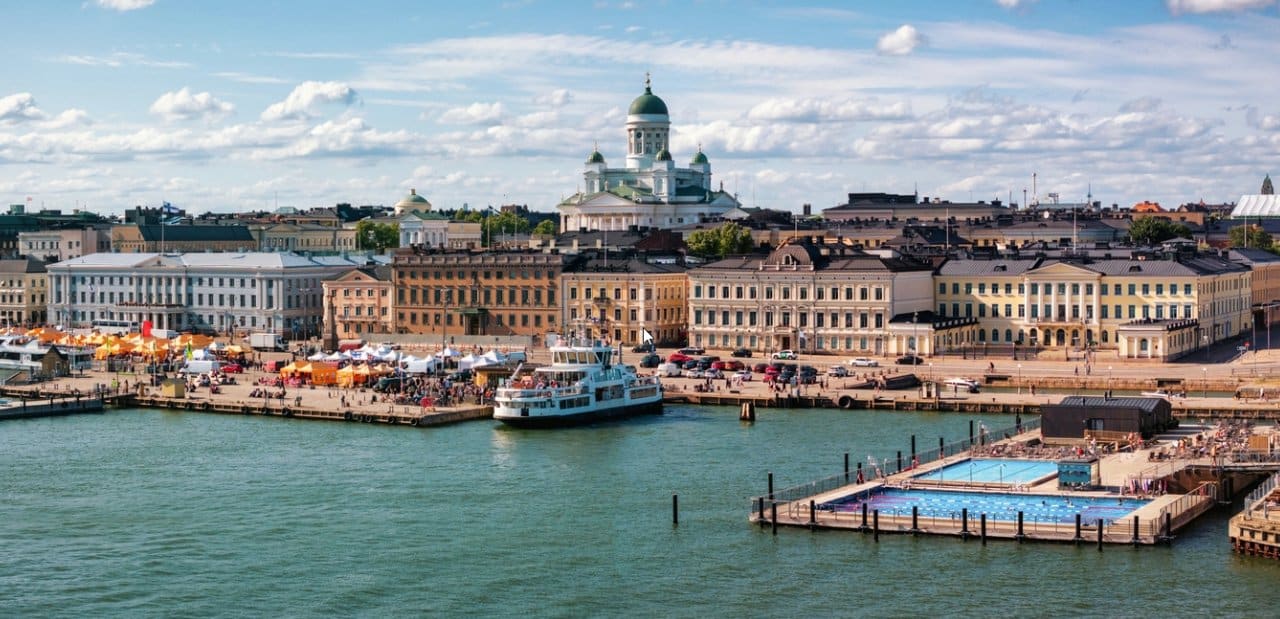
The recently released latest edition of Relatório Mundial revealed a complex picture of global well-being in 2026, with Nordic countries reaffirming their hegemony at the top of the rankings, while English-speaking nations recorded notable declines, especially among younger populations. Finlândia, in particular, has consolidated its position as the happiest country in the world, reaching the impressive milestone of nine consecutive years at the top. Este survey, conducted annually by Instituto of Bem-Estar of Universidade of
The results point to a growing disparity with regard to life satisfaction in different regions of the globe. While resilience and social cohesion appear to drive happiness in Nordic countries, external and behavioral factors are, paradoxically, eroding well-being in other parts of the world, demanding an in-depth analysis of the underlying causes.
Experts in the field of social psychology and public health have been looking into these trends to better understand the mechanisms behind these changes. Detailed analysis of the data reveals that individual perception of happiness is multifaceted, encompassing everything from socioeconomic aspects to the social environment and digital interactions, which have become ubiquitous in modern life.
Nordic countries at the top and the case of Costa Rica
The consistency of the Nordic countries on the happiness podium is one of the most evident highlights of the report. Finlândia, Islândia and Dinamarca shared first place, a remarkable feat that underlines the effectiveness of their social models and public policies. Suécia and Noruega also appeared in the top ten, in fifth and sixth place respectively, reinforcing the region’s supremacy in terms of collective well-being and the quality of life of its citizens.
The ranking also brought positive surprises, such as the rise of Costa Rica, which reached fourth position overall, its best historical ranking among the countries of América Central and Sul. Esse result demonstrates that factors such as strong social support and perception of freedom can have a significant impact on the happiness of a nation, regardless of its economic power and industrial structures.
Other European nations that featured in the top 10 include Holanda (7th), Luxemburgo (9th) and Suíça (10th). The presence of different cultures and social systems at the top of the ranking indicates that there is no single formula for happiness, but rather a set of conditions that, when combined, promote the general satisfaction of the population, as seen in the diversity of the leading countries.
Declining happiness among young people in English-speaking nations
One of the most worrying trends revealed by the study is the significant decrease in happiness levels among respondents under the age of 25 in English-speaking countries, a phenomenon that has increased in the last decade. Estados Unidos (23rd), Canadá (25th) and Reino Unido (29th) recorded positions that leave them far from the select group of the top ten.
Nova Zelândia and Austrália, also English-speaking, remained outside the top 10 for the second year in a row. The study points to the intensive use of social networks as one of the main factors contributing to this drop in youth well-being, generating global discussions about the impact of technology on mental health.
The impact of digital platforms on well-being
Experts emphasize that negative emotions are becoming an increasingly common reality in different parts of the world. The central hypothesis to explain the decline in happiness among young people is directly linked to the amount of time they dedicate to social media and video games, a behavior that has intensified exponentially in recent years.
This digital immersion, although it offers connections and entertainment, can lead to social isolation in real life and a distorted perception of reality. The incessant comparison with other people’s lives, often idealized on social media, creates a cycle of dissatisfaction and anxiety that profoundly affects individuals’ self-esteem.
Factors underlying the perception of global happiness
The Relatório Mundial of Felicidade, in its methodology, is based on public opinion surveys conducted in 147 countries. In Nesses surveys, participants rate their own level of happiness on a scale ranging from 0 (worst) to 10 (best), providing a subjective and personal measure.
The analysis to determine the ranking is not limited to just self-assessment, but delves into six key items. Esses pillars provide a robust framework for understanding the causes and effects of well-being at a national level, covering multiple aspects of societal life.
Among them are Produto Interno Bruto (GDP) per capita, an economic indicator that reflects the average wealth of each individual; and healthy life expectancy, which points to the quality of public health and the general living conditions of a population, directly influencing quality of life.
Other factors include generosity, which measures people’s willingness to contribute to social causes; the perception of freedom to make life choices, essential for individual autonomy; and social support, which assesses the presence of a support network in times of difficulty, along with perceptions of corruption, which directly impact trust in institutions.
Global contrasts and challenges in conflict regions
The study also sheds light on the countries facing the biggest challenges in terms of happiness. Notavelmente, many of the nations with the lowest rates are those that find themselves in situations of conflict or prolonged instability, where the lack of basic security, the destruction of infrastructure and the displacement of populations are preponderant factors that erode the quality of life and emotional well-being of their citizens. Essa complex reality prevents the full realization of any form of individual or collective happiness.
Afeganistão, for example, occupies the last position in the ranking, in 147th place, reflecting the scenario of humanitarian crises and persistent conflicts that plague the country, seriously impacting the lives of millions. Da similarly, Serra Leoa (146th) and Malawi (145th) also appear in the last positions, indicating that extreme poverty, political instability and lack of access to essential services have a devastating impact on the perception of happiness and life expectancy.
Lessons from the report for promoting well-being
The Relatório Mundial of the Felicidade of 2026, with its nuances and contrasts, offers important lessons for public policymakers, educators and society at large, especially the emphasis on young people’s mental health, which requires urgent attention through strategies that promote the conscious and balanced use of technology and encouraging meaningful social interactions offline. The longevity of Nordic countries at the top of the ranking highlights the importance of robust social support systems, trust in institutions and policies that aim for equity and quality of life for all citizens, demonstrating that investments in education, health, security and environmental sustainability can generate significant returns in collective well-being. The study reiterates that the search for happiness is not just an individual issue, but a collective enterprise that demands continuous efforts on several fronts to build more resilient, fair and, consequently, happier societies, with an understanding of the factors that influence life satisfaction, from the economic structure to daily interactions, being fundamental to this ongoing objective.
Future perspectives and the role of the community
Continued analysis of global happiness data is crucial to identifying trends and developing effective interventions, especially when addressing the growing concern about the impact of social media on young people’s mental health, which requires a multifaceted approach involving parents, schools, governments and technology companies themselves, with constructive dialogues about regulating screen time and creating healthier digital environments being indispensable for generations to come. Além Furthermore, the resilience demonstrated by countries like



