
Hiring of Jonathan Wheatley by Audi and restructuring of Aston Martin shake up the behind-the-scenes of F1

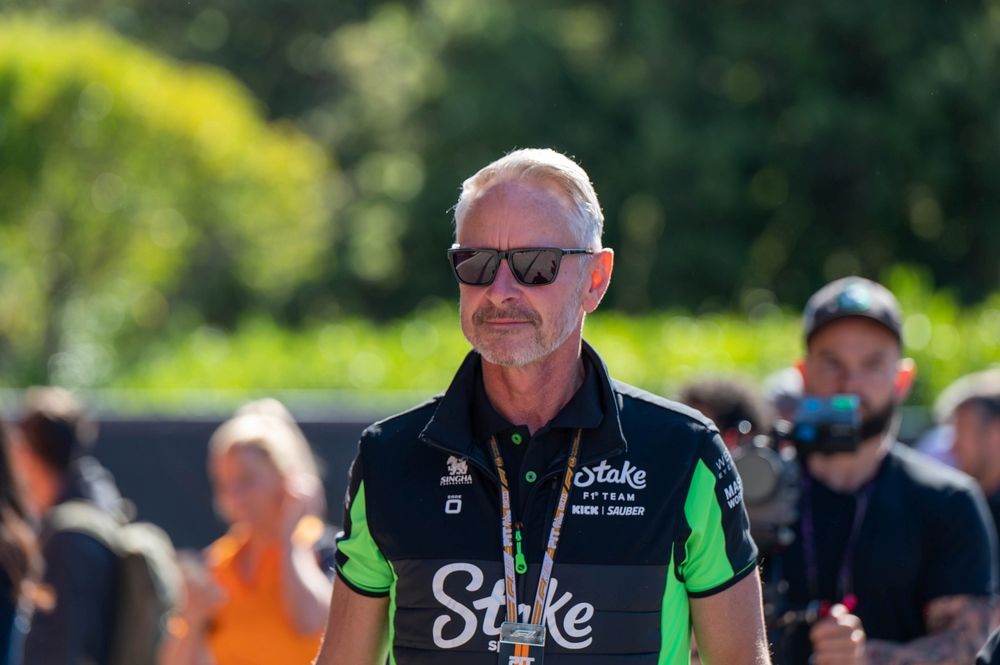
The transfer market in the main category of world motorsport records intense movements behind the scenes of the teams. The transition of high-ranking professionals between construction companies changes the balance of forces on the grid, with a focus on the development of new technical regulations.
The Aston Martin team carries out a major overhaul of its technical and engineering department. The British team’s objective is to consolidate a structure capable of competing in the world championship in the coming seasons, investing in infrastructure and hiring big names in the sport.
At the same time, the entry of Audi as a factory team accelerates the search for experienced leaders. The German automaker takes over the operations of the Sauber and defines fundamental parts to lead the project, establishing a direct rivalry with the already consolidated teams in the search for technical and managerial talents.
Arrival of Jonathan Wheatley to the Audi project
The appointment of Jonathan Wheatley as team leader of Audi marks a decisive step in the structuring of the German brand. The professional leaves Red Bull Racing after a long period of achievements to take full command of the track and factory operations of the new team.
His experience in sports management and compliance with Federação Internacional of Automobilismo regulations adds immediate value to the project. The transition requires a period of mandatory quarantine, known in the automotive world as paid leave, before he can officially work at the team’s facilities.
The German automaker is working on integrating its power unit development and chassis design units. Wheatley’s leadership aims to align these two poles, ensuring that communication between engineers flows efficiently during the transition process from the current Sauber structure.
The initial focus involves restructuring the workforce and optimizing internal processes. The team needs to overcome the unsatisfactory results of recent seasons and prepare the ground for the official debut of its own engine, developed under the category’s new technical guidelines.
Technical restructuring at Aston Martin
Aston Martin responds to market movements by hiring designer Adrian Newey. The engineer, recognized for creating champion cars in several teams over the decades, takes on the responsibility of leading the aerodynamics and design department of the team based in Silverstone.
The board’s investment includes the opening of a new wind tunnel and state-of-the-art facilities. The arrival of Newey complements this infrastructure, providing the technical knowledge necessary to maximize chassis performance and integrate the aerodynamic innovations required by the regulations.
Strategic partnership with Honda
The alliance between Aston Martin and Honda represents a central pillar in the British team’s project. The Japanese manufacturer will supply the exclusive power units, replacing the current engine supply agreement and guaranteeing factory team status for the team.
The development of the new engine requires seamless integration with the chassis design led by Adrian Newey. Technical communication between the team base at Reino Unido and the Honda development headquarters at Japão occurs continuously to avoid reliability issues and optimize thruster installation.
Honda seeks to maintain the level of excellence achieved in previous partnerships, adapting its technology to the demands of greater electrification and the use of sustainable fuels. The synergy between the Japanese engine and British aerodynamics will dictate the car’s competitiveness on the track.
Changes to engine and aerodynamic rules
The introduction of new technical regulations drastically changes the architecture of cars and the functioning of power units. The division of energy is now divided equally between the internal combustion engine and the electrical system, requiring highly efficient energy recovery systems. Teams need to completely redesign their aerodynamic concepts to compensate for the increased weight of the batteries and reduced drag on the straights, using active aerodynamics systems that dynamically adjust the front and rear wings during laps.
This scenario of profound changes levels the development field and offers an opportunity for intermediate teams to jump to the top of the grid. The ability of experienced engineers to interpret the rules becomes the most valuable competitive advantage. Virtual simulations and wind tunnel testing are limited by financial and sporting regulations, forcing teams to be extremely precise in their updates and allocation of financial resources within the spending cap established by the championship organization.
Reliability and integration of mechanical systems
The complexity of new hybrid powertrains imposes severe reliability barriers for all manufacturers involved in the sport. The elimination of the component responsible for recovering energy from exhaust gases transfers a greater burden of responsibility to the system that recovers kinetic energy from braking. Essa mechanical change requires a resizing of the refrigeration systems and energy storage in the batteries. Para to Audi, which builds its power unit from scratch, the dynamometer testing process serves to identify structural flaws before the engine hits the track. Já the Aston Martin-Honda partnership needs to ensure that the engine packaging does not compromise the car’s internal airflow, a critical aspect for cooling and overall aerodynamic efficiency. Synchronization between power management software and mechanical throttle response will determine the car’s drivability, directly affecting tire wear and racing pace on different types of circuits around the world.
Movements in the pilot market
Changes in management and technical departments directly influence pilots’ decisions about their future contracts. The stability of the project, the quality of the infrastructure and the presence of proven technical leadership are determining factors in attracting and retaining talent in the cockpit, ensuring that the equipment developed is maximized on the tracks.
Advancement of projects in factories
Teams operate under strict deadlines to complete the first physical prototypes. The manufacturing of carbon fiber parts and the assembly of the chassis require impeccable logistics in the supply chain, avoiding delays that could compromise filming days and pre-season testing.
The correlation of data between the virtual world and the real asphalt dictates the pace of updates. Teams that manage to validate their computer simulations in the first track sessions will have a clear advantage in development throughout the year, allowing them to focus on marginal performance gains.
Factors determining competitiveness
Building a winning team in the highest category of motorsport depends on the alignment of multiple departments. Operational efficiency in garages, precision in pit stops and racing strategy need to match the technical level of the car. Managers constantly evaluate the following points of attention in factories:
– Aceleração in the production of spare parts to avoid limitations during race weekends.
– Otimização the use of the spending cap, directing resources primarily to the wind tunnel and simulators.
– Integração of new employees coming from other teams, adapting them to the internal work culture.
– Monitoramento strict wear on power units on dynamometers to avoid punishment on the grid.
The impeccable execution of these processes separates the teams that fight for victories from those that remain in the middle pack. The work of newly hired leaders focuses precisely on eliminating bureaucratic bottlenecks and accelerating technical decision-making, ensuring that the car evolves constantly at each stage of the world championship, maximizing the points in the constructors’ championship.





