
Iran launches long-range ballistic missiles against US-UK Diego Garcia without success, heightening tensions in the Middle East

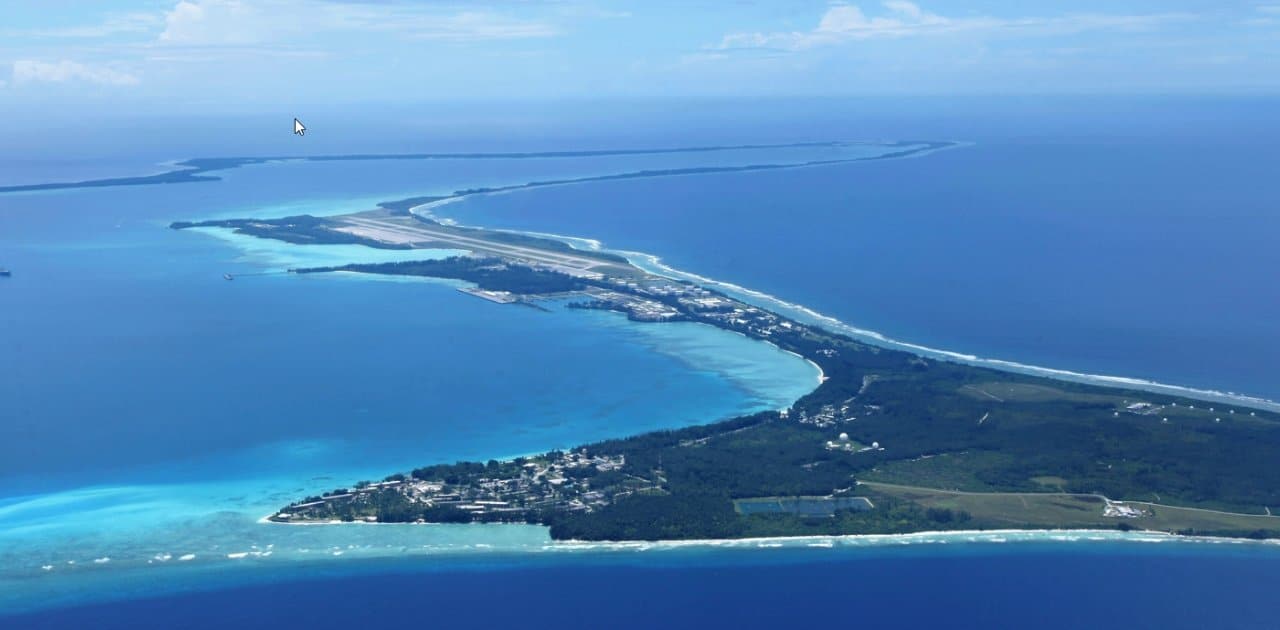
Tensions in the global geopolitical scenario reached a new level with the Irã firing intermediate-range ballistic missiles towards the joint military base of the Estados Unidos and the Reino Unido in Diego Garcia, in the Oceano Índico. Relatos indicate that the projectiles did not reach the strategic target, a development that, although without direct casualties, underlines the escalation of rivalry and Iranian weapons capacity, now recognized with a greater range than previously admitted by Teerã. The incident intensifies international concern about the stability of Oriente Médio and its reverberations on a global scale.
One of the missiles failed in flight, while an American warship reportedly fired an SM-3 interceptor at the other. Contudo, the effectiveness of the interception could not be immediately confirmed. The absence of official statements from Casa Branca, the British embassy in Washington and Ministério from Defesa from
Climbing Regional and Respostas Coordenadas
Este attack on Diego Garcia was not an isolated event, but part of a series of actions shaking up Oriente Médio. In retaliation for Iranian fire, the Forças of Defesa of Israel (IDF) announced air strikes against regime targets in Teerã in the early hours of last Saturday, intensifying the exchange of aggression. Enquanto that, on Península Arábica, Arábia Saudita intercepted more than 20 Iranian drones in the eastern region of the country, and Kuwait reported that its air defenses were active, responding to missile and drone threats.
The complexity of these confrontations is remarkable, with multiple actors engaged in an increasingly volatile theater of operations. The rapid succession of events suggests an Iranian strategy of coordinated, or at least simultaneous, attacks, aimed at putting pressure on various points of interest of its adversaries and demonstrating its ability to project power, even if the results of the attacks are not always as expected.
Impact on Custos Globais and Setor Aéreo
The consequences of this military escalation go beyond the borders of the battlefield, directly affecting the global economy. The war in Irã, a term already used to describe the ongoing conflict, has caused a sharp increase in aviation fuel costs. United Airlines, for example, announced a 5% reduction in its scheduled flights for the second and third quarters, in anticipation of a prolonged period of high oil prices.
The airline’s CEO, Esta situation forces airlines to adjust their operations and rethink their market strategies amid a new phase of price shock.
Details of Ataques and Importância of Diego Garcia
The Diego Garcia base, located approximately 4,000 kilometers from Iranian territory, is a vital installation for US and Reino Unido military operations in Oceano Índico and Oriente Médio. The attempted attack by the Irã indicates a missile range significantly greater than the 2,000 kilometers previously admitted by the Relações Exteriores minister of the Irã, Abbas Araghchi, the previous month. Este fact represents an additional concern for regional and global security.
- Diego Garcia is a crucial logistical and strategic support point for force projection.
- The ability of Iranian missiles to reach such a distance redefines threat assessments.
- The base serves as a platform for long-range reconnaissance and bombing aircraft.
- Its remote location gives it relative security against direct attacks.
Apesar of the failure to hit the target, the incident demonstrates an Iranian capability that must be seriously considered in the strategic planning of other powers. The lack of reports of injuries in the most recent Iranian ballistic attack against Israel, which occurred in the same period, is relieving news, although sirens sounded in several parts of the center and south of the country, suggesting successful interceptions by Israeli defense systems.
At Dinâmica Geopolítica in Constante Mudança
The region is experiencing a period of intense change and reorganization of power. Arábia Saudita, one of Irã’s main regional rivals, has been a constant target amid this escalation. Iranian attacks on oil-rich nations, sometimes targeting energy facilities, have exacerbated concerns about a potential shock to global energy supplies, with repercussions around the world. The stability of energy markets and the security of maritime routes are key points of attention for the international community.
The escalation of conflict occurs in a context of political transitions and internal challenges in several nations. The mention of a funeral in honor of the murdered intelligence minister, Esmail Khatib, in Teerã, and the appearance of Ayatollah Mojtaba Khamenei as the new supreme leader of the Simultaneamente, the presence of US President Donald Trump in
Consequences and Desdobramentos Futuros
The current scenario suggests that Oriente Médio continues to be an epicenter of instability, with implications that extend far beyond its borders. The intensification of confrontations between the Irã and its regional and global adversaries, with the increasing use of ballistic missiles and drones, represents a significant challenge for international diplomacy and the search for lasting solutions. The Iranian ability to project force over long distances, even with interceptions or failures, changes the risk calculus for everyone involved.
Recent events, including the attack on Diego Garcia, the Israeli bombings on Teerã, and the drone interceptions on Arábia Saudita and Kuwait, highlight the urgency of coordinated efforts to de-escalate the situation. The international community is closely monitoring developments, aware that any miscalculation or uncontrolled escalation could have devastating consequences for the region and the global economy. The resilience of defense infrastructure, as demonstrated by actions in Kuwait and the apparent interception of missiles in Israel, will be crucial to containing damage, but the path of diplomacy remains the hope for avoiding an even greater conflict.



