
Martial arts legend Chuck Norris passes away at age 86 after medical complication in Hawaii

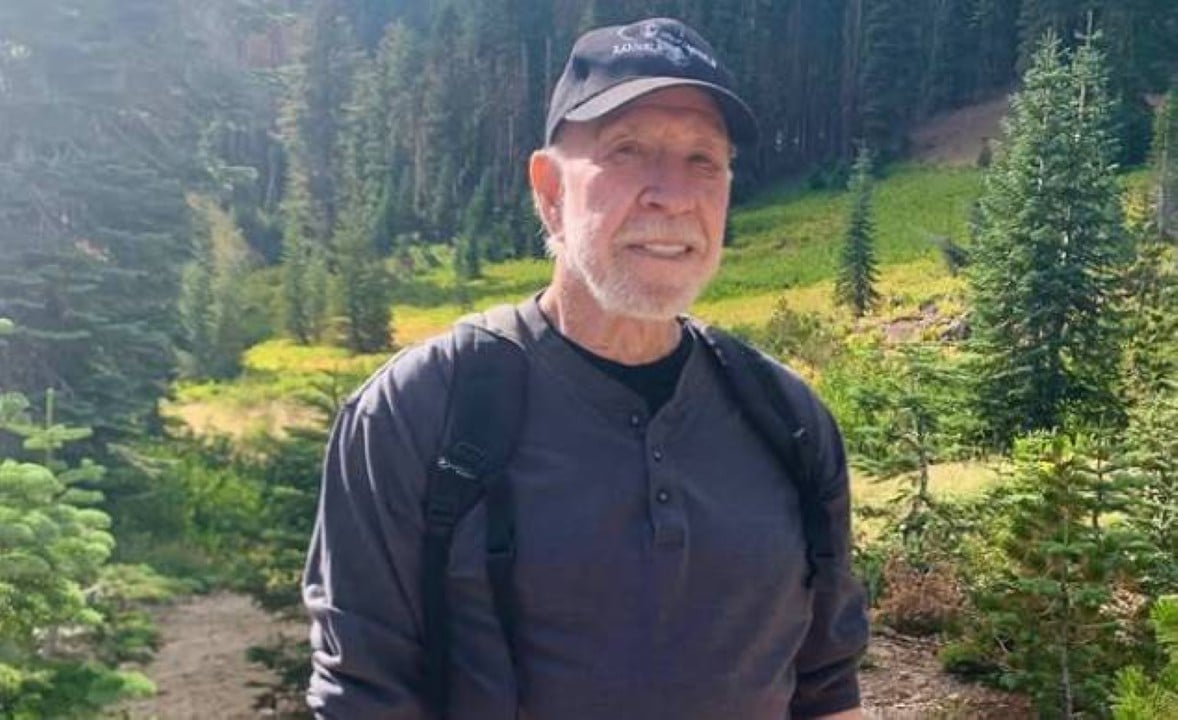
The actor and martial arts master Chuck Norris passed away this Friday, aged 86, on the island of Kauai, located in the North American state of Havaí. The information was confirmed by family representatives and widely publicized by Estados Unidos media outlets during the morning. The artist lived in the region and suffered a sudden illness at the beginning of the week.
The local rescue team carried out initial care at the fighter’s home before transferring him to a nearby hospital unit. Durante the days of hospitalization, he remained under intensive care, but did not survive unspecified clinical complications. The hospital kept the exact cause of death confidential at the request of family members.
Recognized worldwide for his work in action cinema and television, the American built a career that went beyond the screen. Sua influence ranges from the founding of his own combat styles to the transformation of his image into a lasting digital pop culture phenomenon in recent decades.
Clinical care and emergency protocols
The worsening of his health occurred unexpectedly, as the actor maintained his physical activity routine regularly. Relatos of people close to him indicate that, on the Wednesday before his death, he was in a good mood and even talked to friends on the phone about future projects. Horas after this contact, the emergency service had to be called to provide immediate assistance at his home.
The medical team considered air transfer of the patient due to the initial severity of the symptoms, but stabilization allowed land transport. At the medical center, professionals from different specialties performed diagnostic tests and monitored vital functions in continuous shifts. Resuscitation procedures were applied after systemic instability, but without success.
Sports trajectory and combat system development
Before entering the entertainment industry, the American consolidated a prominent career in high-performance competitions. Ele served in Força Aérea of Estados Unidos, during which time he was sent to Coreia of Sul and began his training in Tang Soo Do. Essa military and sporting experience served as the basis for his future achievements on international mats.
The fighter held the title of world karate champion in the middleweight category for six consecutive years, dominating the sporting scene between 1968 and 1974. The recognition of his skills attracted the attention of film producers and directors who were looking for realistic choreography.
In addition to competing, he founded several martial arts schools and developed his own method of self-defense, called Chun Kuk Do. The system integrates techniques from different combat disciplines, combining rigorous physical preparation with a philosophy focused on respect and mental discipline. Milhares of students were trained under this methodology around the world.
Rise in Hollywood and success on television
The transition from the mats to the recording studios gained momentum in the 1970s, driven by his participation in the feature film O Voo do Dragão. The fight scene against Bruce Lee in Coliseu from Roma became a landmark in the history of action cinema. The performance opened the door for him to take on the role of protagonist in several productions in the following years.
During the 1980s, the actor starred in profitable franchises that defined the action hero archetype of the time. Obras as McQuade, the Lobo Solitário and the Braddock film series drew millions of viewers to theaters. The difference in his performances lay in the execution of the combat scenes without the use of stunt doubles, guaranteeing authenticity to the physical confrontation sequences.
Box office success allowed for a strategic migration to television in the 1990s, further expanding its global reach. Ele took on the lead role in the series Walker, Texas Ranger, playing patrolman Cordell Walker. The production mixed police plots with demonstrations of martial arts and traditional moral values.
The television series remained on the air for eight consecutive seasons, reaching high ratings in the Estados Unidos and being exported to dozens of countries. Daily visibility on television consolidated the artist’s face on different continents, transforming him into one of the most recognizable figures in global pop culture of that period.
Digital phenomenon and renewal of public image
With the popularization of the internet in the 2000s, the figure of the artist underwent an unforeseen redefinition through the creation of satirical facts and memes. Usuários on forums and social media began sharing jokes that exaggerated his physical abilities and supposed invincibility. Essa trend went viral globally, introducing the action cinema veteran to a new generation of young people who hadn’t caught up with his original releases in previous decades. The digital joke kept the actor’s name in the network’s most talked about topics for consecutive years.
Instead of rejecting satire, the American incorporated humor into his public persona, participating in advertising campaigns that made direct reference to internet memes. Ele also accepted invitations for special appearances in contemporary films, such as Os Mercenários 2, where he recited some of the jokes created by internet users. Essa ability to adapt guaranteed the relevance of his commercial brand, allowing him to direct part of this media attention to support philanthropic projects and programs to encourage sports for vulnerable populations.
Physical discipline and maintenance of vitality
The artist’s longevity has always been attributed to his extremely regimented lifestyle and his refusal to abandon physical training even at an advanced age. Ele followed a strict diet based on natural foods, with high protein intake and severe restriction on the consumption of harmful or processed substances. Diariamente, the veteran dedicated hours to practicing mobility exercises, stretching and repeating martial arts blows, which preserved his muscular strength and agility. Vídeos recent publications published on his official platforms demonstrated his ability to execute complex self-defense movements with technical precision at the age of 86. Essa apparent vitality made the news of his death even more surprising to the public and the medical community, raising debates about the unpredictability of sudden systemic failures in individuals with exemplary athletic records. His unremitting dedication to fitness has made him a symbol of active, healthy aging for millions of followers.
Preparations for farewell ceremonies
The actor’s family requested respect for privacy during the mourning period and are organizing legal procedures on the island of Kauai. Informações preliminaries indicate holding an intimate ceremony in Havaí for family and close friends, followed by a possible public memorial in the state of Califórnia. The event on the American continent should bring together members of the film industry, martial arts athletes and fans to honor the legacy left by the artist over more than five decades of career.
Demonstrations by the international sports community
Confirmation of the death generated an immediate wave of tributes from martial arts organizations and professional fighters around the world. Campeões of MMA and masters of different modalities published official notes highlighting the importance of the North American in popularizing martial arts in the West. Muitos reported that they began their training inspired by the choreography and philosophy of discipline conveyed in their films.
Havaí authorities also issued statements mourning the loss of the illustrious resident, highlighting his discreet and respectful behavior in the local community. In front of recording studios and gyms linked to his name, admirers began to leave flowers and messages of thanks. The impact of his work remains recorded in the history of cinema and in the training of thousands of combat sports practitioners.



