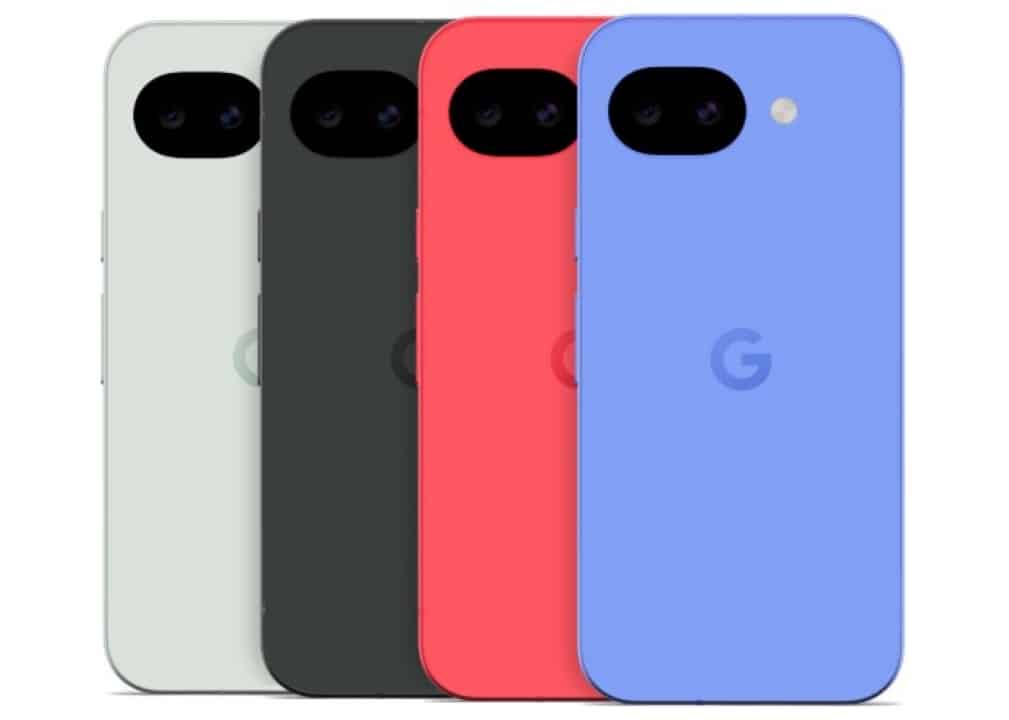
The North American technology company officially announced the arrival of its latest mobile device aimed at the intermediate segment, marking a significant change in the brand’s visual identity. The device, initially revealed in February and made available to retailers in March, introduces structural modifications requested by consumers over the last few generations. The manufacturer maintained its aggressive pricing strategy, setting the starting price at US$499 for the base version on the international market.
The development of this equipment prioritized the elimination of protruding elements on the rear, a feature that had been part of the product line for several years. The company’s engineering team opted for a complete alignment of the photographic components, leveling the capture module with the rest of the chassis. Essa geometric change aims to provide greater physical stability when the phone is placed on tables and other rigid surfaces.
In addition to the aesthetic changes, the internal hardware received components inherited directly from the manufacturer’s more expensive models, ensuring processing parity in everyday tasks. The commercial strategy seeks to attract users who demand high computational photography capacity and software longevity, without the need to invest the amounts charged for premium category equipment.
Physical structure and materials used in manufacturing
The construction of the chassis represents a turning point in the design language adopted by the manufacturer, replacing sharp curves with straighter lines and defined corners. The sides of the equipment are forged in brushed aluminum, a material that provides structural rigidity against twisting and accidental falls, while at the same time transmitting a superior tactile sensation during prolonged handling. The back panel, now completely flat, eliminates the risk of direct scratches to the lenses when the device rubs against rough surfaces, a problem frequently reported by owners of previous versions. The millimetric assembly of the panels guarantees IP68 certification, attesting to the phone’s ability to resist temporary submersion in fresh water and blocking the entry of microdust particles in inhospitable environments.
The commitment to global environmental goals directly influenced the choice of inputs used in the assembly line of this intermediate model. A significant percentage of the plastics and metals present in the housing and internal components come from certified recycling chains, reducing the carbon footprint associated with mass production of electronics. Retail packaging has also undergone adjustments, completely eliminating single-use plastics in favor of molded cardboard and soy-based inks. Essas decisões industriais alinham o produto às exigências regulatórias de diversos mercados europeus e norte-americanos, onde a sustentabilidade tornou-se um fator determinante para a aprovação de importação e comercialização de eletrônicos de consumo.
Front panel display and strength specifications
The front panel is equipped with 6.3-inch Actua display technology, delivering Full HD+ resolution for clear reproduction of texts and multimedia content. The display’s refresh rate operates adaptively, automatically oscillating between 60Hz and 120Hz according to the requirements of the application in use, which guarantees fluidity in screen transitions and energy savings when reading static images.
The screen’s brightness received a substantial increase, reaching peaks of 3000 nits under direct sunlight, making it easier to view maps and messages in outdoor environments. Para To protect this critical component, the manufacturer applied Gorilla Glass 7i glass, specifically developed to absorb frontal impacts and minimize the occurrence of microcracks resulting from friction with keys and coins in users’ pockets.
Processor performance and storage capacity
The phone’s processing center is controlled by the Tensor G4 chip, the same computing unit that powers the brand’s main line of devices. Esse silicon was designed with a primary focus on machine learning operations, accelerating speech recognition, simultaneous language translation and image processing directly on the device, without relying on constant connection to cloud servers.
Random access memory has been set at 8GB, an amount sized to support fast switching between multiple open applications and ensure long-term stability of the operating system. The processor’s thermal management has been improved through new heat dissipation layers, preventing sudden drops in performance during prolonged gaming sessions or continuous high-resolution video recording.
In terms of data archiving, consumers can choose between two fixed flash memory configurations, starting from 128GB in the entry-level version and reaching 256GB in the superior model. The hardware architecture does not include drawers for microSD cards, requiring owners to resort to cloud storage services if they exhaust the internal physical space with photographs, videos and heavy applications.
Photographic system and artificial intelligence integration
The rear optical capture arrangement is led by a 48-megapixel main sensor, equipped with mechanical stabilization to nullify hand shake during nighttime clicking or motion recording. Essa lens works in conjunction with a 13 megapixel ultrawide sensor, designed to record wide landscapes and large groups of people without the need for physical distancing from the photographer.
The front camera, housed in a small circular cutout at the top of the screen, also has 13 megapixels of resolution and a viewing angle optimized for video calls. The photo management software includes the Auto Best Take tool, which analyzes a sequence of group photos and allows you to select the best facial expression for each individual, merging the clippings into a single, perfect final image.
The Camera Coach feature acts as a real-time virtual assistant, providing on-screen guidance on framing, horizon leveling and optimal lighting before shooting. Post-capture processing continues to be the device’s distinguishing feature, using complex algorithms to brighten dark scenes through the Night Sight and remove unwanted objects from the background of photos with the Magic Eraser function.
Motion image capture supports 4K resolution at 60 frames per second on all available lenses, ensuring fluidity and a high level of detail for content creators. The built-in microphones feature directional noise cancellation, isolating the main subject’s voice and suppressing sounds of wind or urban traffic when recording on public roads.
Energy autonomy and recharge speeds supported
Power supply is guaranteed by a battery cell with a nominal capacity of 5100mAh, a volume sufficient to sustain hardware operation for more than 24 hours under mixed use. The operating system has Extreme Battery Saver mode, an emergency setting that disables background processes and limits connectivity, extending the device’s lifespan for up to 120 hours away from sockets.
The charging speed via cable has been increased to 30W, significantly reducing the time needed to reach maximum capacity compared to the previous generation. The device also incorporates magnetic induction coils on the back, enabling wireless charging at 10W, a technical convenience that facilitates recharging on induction standard compatible vehicle consoles and desks.
Emergency connectivity and updates policy
The equipment leaves the assembly lines running the native version of Android 16, accompanied by a formal warranty from the manufacturer that ensures the uninterrupted supply of operating system updates and vulnerability fix packages for a period of seven years. Esta extended support guideline keeps your phone safe from cyber threats and compatible with new applications until the year 2033, actively combating planned obsolescence in the telecommunications industry. The user interface natively integrates the capabilities of the Gemini AI language model, enabling complex interactions via voice commands and text generation directly in typing fields. On the telecommunications side, the hardware supports very high-speed 5G mobile networks, local connections via Wi-Fi 6E for lower latency on modern routers and accessory pairing via the Bluetooth 5.3 protocol. A vital addition to user safety is the Satellite SOS technology, which uses directional antennas to establish communication with low-orbit satellites, enabling the sending of distress messages and exact geographic coordinates even in remote regions lacking traditional cellular coverage.
Official values and availability on the international market
Commercial distribution of the device began in strategic markets of América, Norte and top-notch images and long-lasting software.
