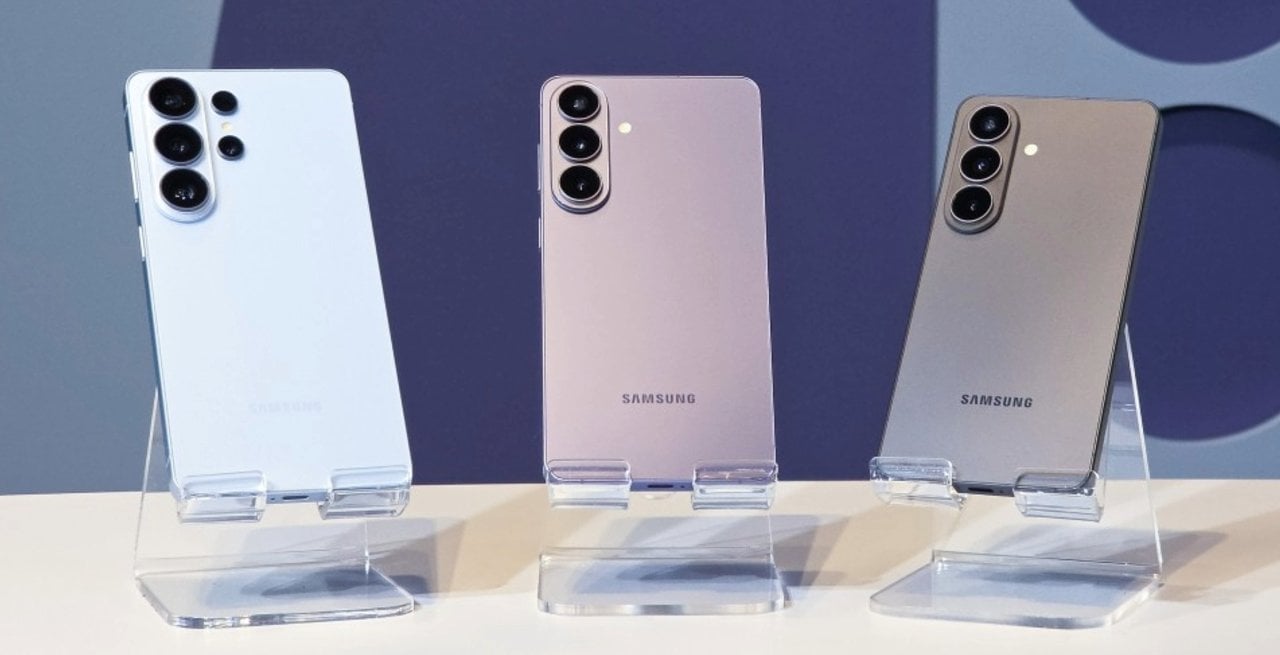
South Korean manufacturer Samsung has released a new version of its advanced photographic module to modify image capture dynamics. The camera’s companion software has received a package of technical improvements to resolve operational difficulties reported by recent smartphone owners. The main focus of the structural change is to facilitate the activation of intermediate resolutions during the daily use of mobile devices.
Version 4.5.00.20 of the add-on, distributed through the company’s own online store, brings direct changes to the usability of the operating system. The customization interface gains greater navigation fluidity and eliminates the need to search for hidden menus to configure the quality of the photographs. The repositioning of the 24-megapixel resolution activation key acts as the highlight of this software update.
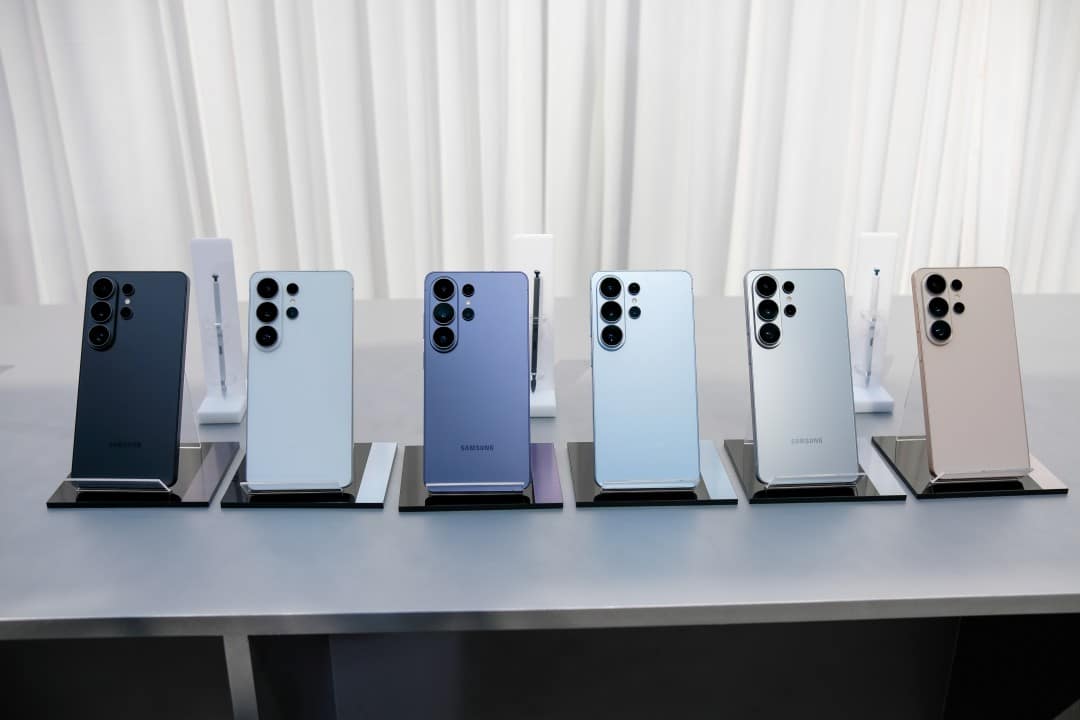
The modification addresses requests for simplification of the standard capture interface, specifically covering the Galaxy S26, S26 Plus and S26 Ultra devices. Integration requires prior installation of the add-on to operate silently in the native application. The options available on the main display change immediately after the feature is initially configured.
Change in access to photographic resolution
The restructuring of the companion app’s internal menus represents a significant change to the usability of the mobile capture system. Anteriormente, the ability to photograph at 24 megapixels was restricted to a submenu aimed exclusively at users with advanced technology knowledge. Activating the feature required multiple taps on the screen and navigation through secondary tabs, which discouraged the use of the tool by people who were just looking for a quick record with higher quality. The complexity of the previous layout limited the potential of the photographic hardware built into the brand’s high-performance devices.
With the arrival of the new version, the development team moved the resolution selector to the first hierarchical level of the device settings. Essa visual change transforms a previously hidden resource into an easily accessible tool for the general public looking for greater image fidelity. The integration of the add-on module with the native camera application occurs in real time immediately after the system update. When enabling the option in the control panel, a 24 megapixel icon immediately appears in the top bar of the main display, positioned next to the traditional screen format and aspect ratio indicators.
Practical differences between image formats
Contemporary mobile photography relies heavily on combining pixels to capture a greater amount of ambient light. Esse process ensures the industry standard 12 megapixels, which delivers lightweight files and excellent performance in dark locations or during night recordings.
Maximum resolutions of 50 or 200 megapixels, on the other hand, provide a massive amount of detail in captured images. Essas extreme options are ideal for printing in large formats or for making precise cuts in elements far from the scene recorded by the sensor.
Using these maximum capabilities requires perfect lighting conditions and generates considerably large files in the phone’s memory. Elas also cause slowness in software processing and possible overexposure problems in areas with a lot of natural or artificial light.
The 24 megapixel option appears on the market as the ideal technical balance point for most everyday situations. The format doubles the amount of detail compared to the factory default while maintaining a manageable file size and fast processing time for the user.
Computational processing and artificial intelligence
The generation of a 24 megapixel photograph on devices in the Galaxy S26 line does not occur through a simple cropping or physical resizing of the image sensor. The operating system uses artificial intelligence algorithms to merge multiple frames captured simultaneously at different resolutions. The smartphone’s image signal processor combines the high light-gathering capacity of the 12-megapixel standard mode with the fine details extracted from a full-resolution capture.
This computational processing requires considerable power from the neural processing unit built into the cell phone. Durante the exact moment of capture, the software analyzes the scene in real time, identifying complex textures, human faces and areas of high contrast of light. The practical result is a photograph that preserves the dynamic range of colors, avoiding blown out skies or completely dark shadows, while maintaining the sharpness necessary for reading distant texts.
Procedure for installing the new feature
To have immediate access to the new functionality, the device owner needs to access the manufacturer’s native application store and search for the complementary photographic module. The software is completely free to download and installation into the operating system takes just a few seconds to complete on the device’s flash memory.
After opening the newly installed program, the individual must locate the resolutions section and activate the switch corresponding to 24 megapixels. You must select the checkbox that fixes the preference, ensuring that the main application recognizes the choice on all future uses, preventing automatic return to factory settings.
Market strategy and device exclusivity
The manufacturer’s corporate decision to restrict this ease of access exclusively to the Galaxy S26 series raises a technical debate about segmenting resources through software updates. Modelos of the immediately preceding generations have enough hardware and processing power to perform the same photographic work, but rely on third-party applications aimed at professionals, which require in-depth knowledge of manual photography and uncompressed file manipulation. The absence of an official plan from the company to expand this simplified interface to other devices in the catalog indicates a clear strategy to enhance the current line. The brand uses the convenience of native software as a strong competitive differentiator in the fierce global market for high-performance mobile devices, encouraging hardware upgrades by consumers who value practicality when recording images with superior quality. The integration of advanced functions in a simplified way becomes an essential selling point to justify the premium positioning of new communication terminals.
Optimizing the internal storage of smartphones
Disk space management represents a constant concern for smartphone owners who record a lot of media daily. The 24 megapixel intermediate format solves the problem of rapid memory exhaustion, generating files that take up just a fraction of the space required by full resolution captures, without sacrificing the visual quality of the image when sharing on social networks or instant messaging applications.
Shutter performance in everyday situations
Digital shutter speed is a critical factor in capturing spontaneous everyday moments. The standard 12 megapixel mode continues to be the fastest on the system, presenting practically no delay between touching the glass screen and the actual recording of the image in the mobile device’s gallery.
Capturing at 24 megapixels adds a fraction of a second to the process, the time needed for artificial intelligence to merge the frames. Esse slight delay goes unnoticed in landscape photographs or posed portraits, without affecting the overall user experience in static and controlled scenarios.
Using the format requires extra attention when photographing sports, moving vehicles or fast animals. The need for extra computational processing may result in slightly blurred images if the main target moves sharply during the merging window of photographic frames processed by the system.
