
NOlympics LA criticizes promises of Olympics without construction and predicts negative impact on housing

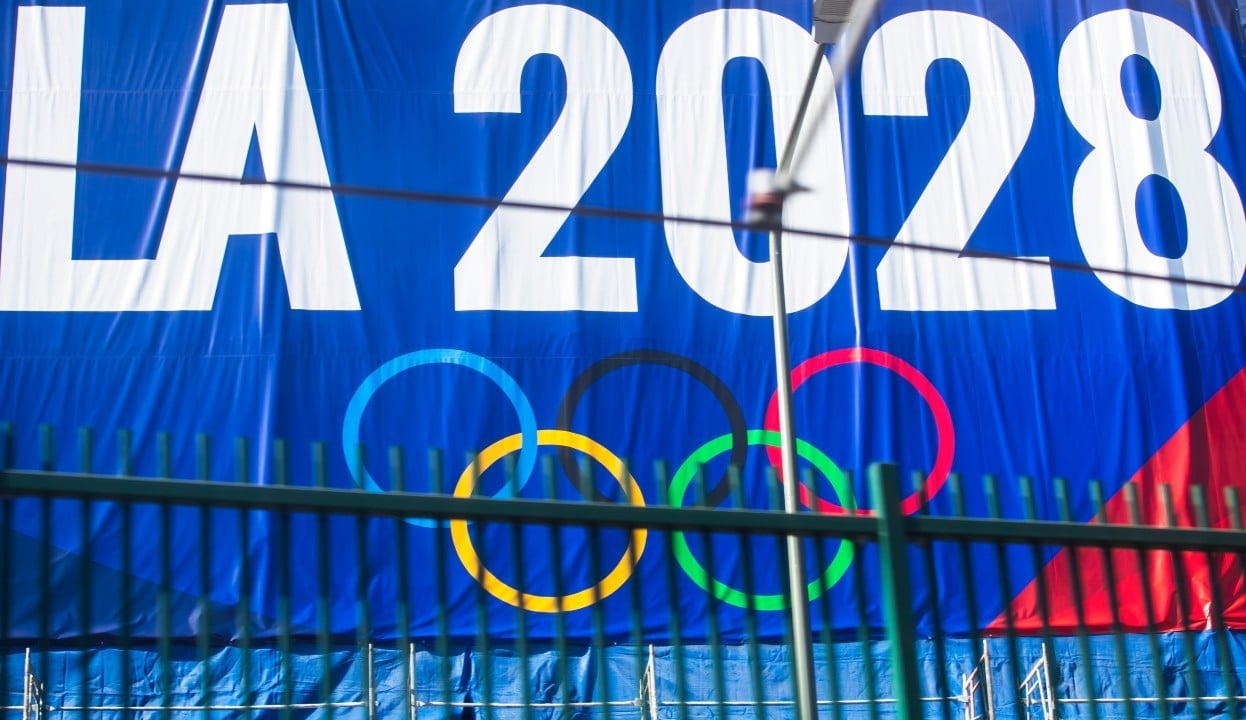
Los Angeles faces growing protests against the Jogos Olímpicos of 2028 due to risks of gentrification and the city’s worsening homelessness crisis. The group NOlympics LA, made up of community organizations, tenant unions and activists, has been actively campaigning since 2017 to question the viability and social costs of the event. Eles argue that the preparations accelerate the displacement of low-income residents and people experiencing homelessness, even with the official promise to use existing facilities.
The campaign highlights that the focus on urban beautification and police operations during mega events already results in frequent removals of camps. Ativistas point to recent examples of actions in areas close to event locations, where the visibility of poverty is temporarily reduced. Eles argue that public resources should prioritize permanent solutions for affordable housing and combating inequality rather than investments in the sporting event.
The LA28 organizing committee insists that the Jogos will be held without significant new construction, taking advantage of structures such as the SoFi Stadium and the Los Angeles Memorial Coliseum. However, opponents dispute this claim, claiming that renovations, additional hotels and temporary accommodation generate indirect real estate pressure. Estudos and independent analyzes indicate that similar preparations in other host cities have raised rental costs and forced population shifts in vulnerable neighborhoods.
Criticisms of the promise of Olimpíadas without construction
Activists say the “no construction” narrative ignores real collateral impacts. Reformas in existing facilities require investments that increase nearby real estate values.
The NOlympics LA group conducted its own analysis showing that associated developments cause displacements. Eles cite the increase in police operations in central areas as an aggravating factor.
Specialists in sports communication reinforce that similar promises in past editions were not sustainable in practice.

Concerns about the homelessness crisis in Los Angeles
The city records high numbers of homeless people, with recent counts indicating tens of thousands affected. Preparações for 2028 intensify fears of sweeps in camps close to venues.
Municipal reports consider temporary removals to ensure safety at events, but without guaranteeing sufficient spaces in permanent shelters. Ativistas argue that this worsens health problems and access to services.
Similar operations have occurred at previous events, such as annual awards, removing residents from visible locations.
History of Jogos Olímpicos on Los Angeles and lessons from the past
The Jogos of 1932 occurred during the Grande Depressão, generating protests for prioritizing the event amid hunger and unemployment. Racial segregation limited black spectators’ access to certain events.
In 1984, the city avoided financial losses by using existing facilities but increased police presence in vulnerable neighborhoods. Críticos link this to patterns of brutality that persisted years later.
NOlympics LA compares these experiences to warn about repeating negative patterns.
Economic impacts and budget priorities
The projected budget for LA28 amounts to around $7.1 billion, with revenues expected from sponsorships, tickets and broadcast rights. Qualquer initial deficit falls on the city of Los Angeles, with limited financial exposure initially but potential for additional costs.
Municipal councilors approved contracts highlighting benefits such as local jobs and post-pandemic recovery. However, opponents question whether gains reach the most affected population.
Polls show a division of opinion: some indicate majority support, while others reveal significant opposition among younger age groups.
Community reactions and current demands
NOlympics LA members call for cancellation of Jogos to redirect resources to housing and social services. Eles highlight negligence in programs such as installing drinking fountains for homeless people.
Activists from environmental and water rights groups note that Olympic investments divert attention from urgent needs. Eles report difficulties in maintaining functional basic infrastructure.
The group continues to raise awareness and pressure local authorities to prioritize housing issues.
Logistical challenges and ongoing preparations
The city is moving forward with transportation and security plans to welcome athletes and spectators. Venues spread across the region require broad coordination.
Recent reports point to delays in infrastructure projects due to other emergencies, such as recovery from natural disasters. Autoridades state that adjustments guarantee completion on time.
The debate about benefits versus social costs remains central to public discussions.
NOlympics LA maintains an active platform with updates on financial and social risks. Eles argue that historical experience shows few lasting benefits for local communities.




