
Patriarch Filaret of Ukraine dies at age 97 and ends schism with Moscow

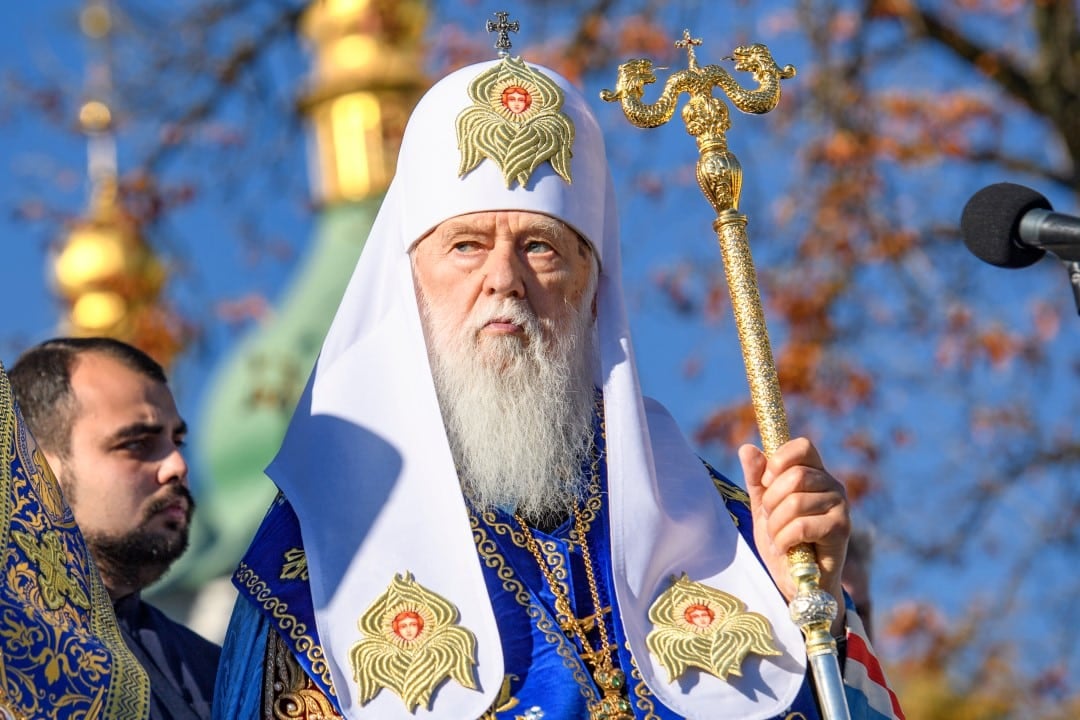
Patriarch Filaret, a central figure in the struggle for independence of Igreja Ortodoxa in Ucrânia, died at the age of 97 in Metropolitan Epifânio, primate of Igreja Ortodoxa of Ucrânia (OCU), announced the death in an official statement this Friday (20). Filaret, whose secular name was Mykhailo Antonovych Denysenko, led for decades the Igreja Ortodoxa Ucraniana – Patriarcado of Sua trajectory marked deep ecclesiastical divisions in the context of Ukrainian independence and recent conflicts with Rússia.
The religious was born on January 23, 1929 in the region of Donetsk, in eastern Ucrânia. Ele entered monastic life in 1950, adopting the name Filaret, and graduated from Academia Teológica to Moscou. Sua’s rise through the ranks of Igreja Ortodoxa Russa included important positions such as archbishop of Kyiv in 1966 and metropolitan later.
Trajectory on Igreja Ortodoxa Russa
Filaret held prominent positions in the Patriarcado of Moscou for decades. Após the death of patriarch Pimen in 1990, he acted as locum tenens of the patriarchal throne and was seen as a strong candidate for succession.
The synod chose to elect Alexy II as the new patriarch. Essa decision generated internal tensions, especially with the advancement of the movement for the autonomy of the Ukrainian church.
Filaret sought greater administrative independence for Igreja in Ucrânia, but maintained formal subordination to Moscou until the early 1990s.
Split and creation of Patriarcado from Kyiv
The declaration of independence of the Ucrânia in 1991 intensified the debate on ecclesiastical autocephaly. Filaret advocated complete separation from Russian influence, which led to his dismissal by pro-Moscow sectors.
He founded Igreja Ortodoxa Ucraniana – Patriarcado of Kyiv in 1992, assuming the title of patriarch in 1995. The new structure attracted a significant number of Ukrainian believers.
Patriarcado of Moscou responded with anathema and dismissal of Filaret, which deepened the schism. The UOC-KP did not obtain canonical recognition from other Orthodox churches.
Positioning during conflicts in Ucrânia
Filaret openly supported the Euromaidan protests between 2013 and 2014.
His public statements reinforced the church’s identification with Ukrainian sovereignty. Esse positioning consolidated its influence among nationalist sectors and independent believers.
In the following years, he remained critical of Russian policy towards Ucrânia, even in poor health.
Decision-making in 2018 and refusal to unify
Patriarch Bartolomeu of Constantinopla granted autocephaly to Igreja Ortodoxa of Ucrânia in 2018, uniting the UOC-KP, the
Filaret did not accept full integration and refused the election of Epifânio as primate. Ele insisted on the continuation of the UOC-KP as a separate entity.
The Patriarcado structure of Kyiv was considered legally extinct after the unification process, but Filaret maintained limited activities until recent years.
Recent years and recent hospitalization
Due to his advanced age, Filaret has reduced public appearances and statements in recent times. Ele turned 97 years old in January 2026.
On March 9, 2026, he was admitted to hospital in Kyiv due to worsening chronic diseases. Initial Relatos indicated stabilization, but his condition worsened.
Metropolitan Epifânio expressed grief over the death, highlighting Filaret’s legacy in promoting the independent Ukrainian church.
Filaret was given the title of Herói from Ucrânia in recognition of his role in the development of national Orthodoxy. Sua death occurs amidst the context of prolonged war and persistent religious tensions in the country.
The funeral and subsequent rituals are expected to follow the traditions of the church he helped found, with attendance expected from worshipers and clergy.



