
Peaky Blinders film on Netflix ends Tommy Shelby’s career with deaths of central characters

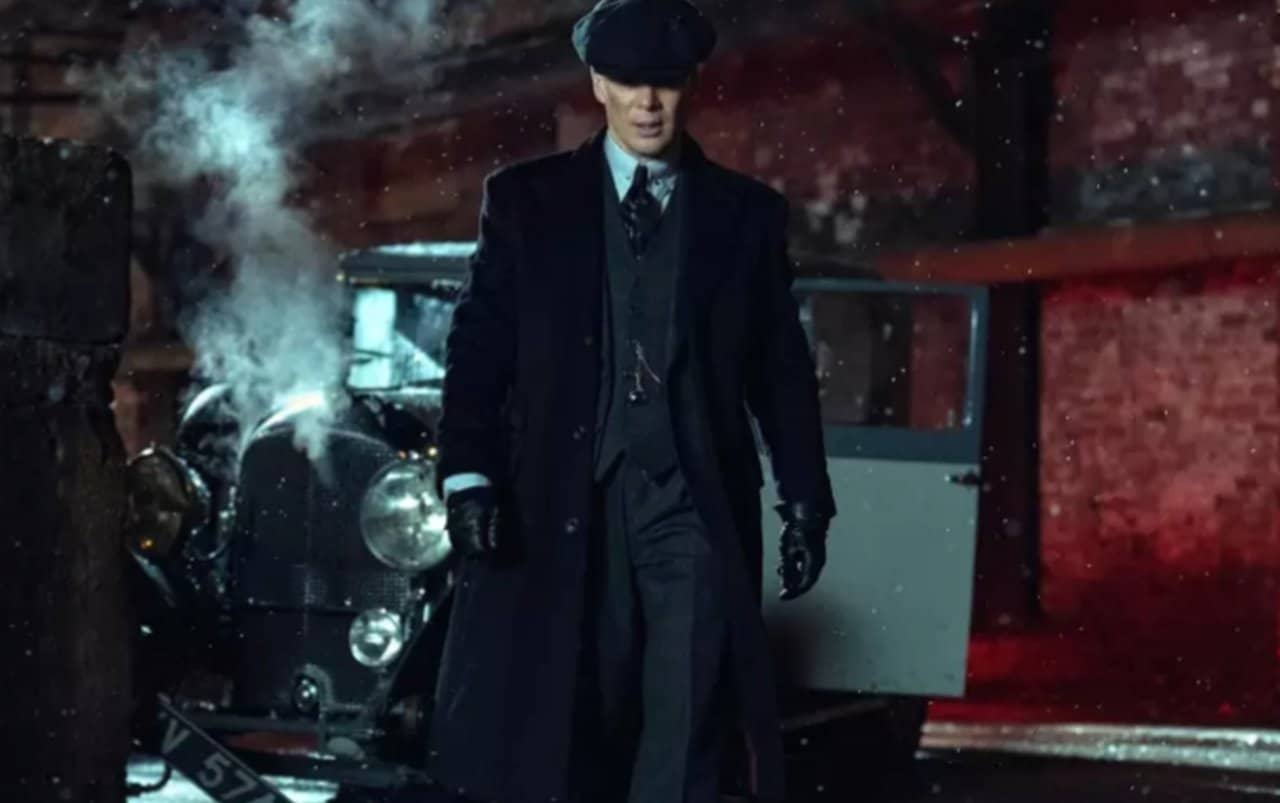
The film production that ends the narrative of the Shelby family debuted in the Netflix catalog under the title O Homem Imortal. The feature film serves as the definitive chapter of the criminal journey led by Tommy Shelby, played by actor Cillian Murphy. The work delivers the outcome awaited by global viewers, marking the end of an era for British historical drama production.
The script explores the direct consequences of the decisions made by the protagonist and his allies over decades of illicit activity. The plot addresses the ramifications of accumulated power, violence used against rivals and political manipulations carried out by the organization. The environment portrayed requires constant tests of loyalty among group members, increasing the risk of operations.
The narrative confirms that central figures in the plot do not survive the final events portrayed on screen. The film’s direction chose to maintain the dark atmosphere and moral ambiguity that characterized previous seasons on television. The defining events establish the fate of the survivors in the European organized crime scene.
Viewers’ reactions to the work
The release of the feature film generated immediate debates on entertainment forums and discussion platforms. Subscribers to the streaming service analyzed the resolutions given to each member of the Birmingham gang. The deaths of prominent characters were among the most talked about topics by viewers on the networks.
Specialized critics published assessments of the scriptwriters’ courage in eliminating historical figures from the production. Experts pointed out that painful losses were fundamental to maintaining the narrative coherence established since the first episode. The authenticity of the script was praised for not sparing the protagonists from the consequences of their criminal acts.
Cillian Murphy’s performance received prominence in professional reviews for its ability to convey the protagonist’s psychological weight. The construction of the farewell scenes was classified as technically accurate, justifying the closure of complex narrative arcs. The public expressed satisfaction with the resolution of the main plot, accepting the losses in the cast.
Trajectory of clan leader Shelby
The development of Tommy Shelby has always operated on the border between business genius and severe psychological exhaustion. The film elevates this duality by presenting the leader confronting the traumas acquired during his service at Primeira Guerra Mundial and the family losses accumulated over the years. The production details how the character transformed a small illegal betting operation into a financial and political empire, operating in the highest spheres of British society while dealing with frequent episodes of post-traumatic stress. The search for an unattainable redemption guided the protagonist’s actions until the final moments of the audiovisual work.
The roadmap places the organization’s leader in the face of unprecedented threats that require the application of all strategic skills. The character’s psychology is exposed when he needs to decide between preserving his own life and the safety of his closest relatives. The end of its narrative arc proposes a direct observation about the destructive nature of violence and the real cost of maintaining absolute power. The final sequences define the future of the criminal structure he built, delivering a definitive resolution to the franchise’s central figure.
Elimination of direct rivals in the plot
The exclusion of historical antagonists occurs systematically during the development of the feature film. The most anticipated clash involves the resolution of the rivalry between Tommy Shelby and Michael Gray, played by Finn Cole. The hostility between the two characters grew exponentially due to divergent financial ambitions.
The direct confrontation between the relatives results in the death of Michael, sealing a fate that has been in the making since previous seasons. The character’s elimination works as an internal purge within the criminal organization. The action neutralizes the main threat to the leadership established by the protagonist over the years.
The execution of Michael represents the victory of strategy over excessive ambition within the family hierarchy. The script uses this moment to demonstrate that blood ties offer no protection against the rules of the underworld. The scene consolidates the leader’s unquestionable authority over the faction’s affairs.
The screenwriters ensured that this specific death had a greater narrative weight than the other executions present in the film. The fall of the internal rival ends a cycle of distrust that paralyzed the group’s international operations. The resolution of this conflict allows the plot to advance to its operational climax.
Drop of informants and political opponents
The narrative also resolves the threat posed by Capitão Swing, leader of the Irish paramilitary organization that tormented the family at decisive moments. The elimination of this opponent is part of the protagonist’s tactical planning to wipe out residual enemies from the political and criminal map. The neutralization of Swing ensures the stability of smuggling routes and the physical safety of the remaining gang members.
Informant Billy Grade meets his end after passing on sensitive mafia data to opponents of the British organization. The execution of Grade illustrates the strict security protocol maintained by the faction to prevent leaks of strategic information. The character’s definitive silencing ends the arc of internal betrayals, highlighting the severe punishment applied to those who break the group’s code of silence.
Construction of the criminal empire in Birmingham
The founding of the criminal structure in the industrial city of Birmingham serves as the historical and geographical foundation of the entire audiovisual narrative. The cinematographic work rescues the visual aesthetics of the smoky streets and workers’ factories to set the scene for the organization’s final moments. Control over betting activities, extortion of local merchants and subsequent expansion into the international trade in drinks and weapons transformed the street gang into a transnational corporation. The film demonstrates how the group’s influence went beyond the limits of common criminality, infiltrating the British parliament and international diplomatic negotiations. The meticulous representation of the family’s social and financial ascension offers a fictional yet believable record of power dynamics between the wars. The organization’s legacy is recorded in the city’s architecture and institutions that were corrupted or financed by illicit money generated by the clan’s operations.
Future of the franchise in audiovisual
The end of the protagonist’s journey does not decree the absolute end of productions set in this fictional universe. The executive producers indicated the development of spin-off projects focused on secondary figures who survived the events of the feature film. The brand’s expansion must explore new locations and different historical periods in Europa.
The wealth of base material allows for the creation of scripts centered on the new generation of criminals associated with the original gang. The continued interest of streaming platforms and global audiences makes the franchise’s continuation financially viable. Negotiations for the production of spin-off series are in the early stages of planning at the studios.
Kinship relationships in the organization
The structure of the criminal faction depends entirely on the maintenance of blood ties between its administrators. The film reiterates that protecting the surname justifies the most extreme actions taken by the characters throughout the screening. The internal dynamics oscillate between unconditional loyalty and lethal betrayal, proving that the family acts simultaneously as the greatest shield and the main weakness of those involved in the group’s illicit operations.



