
Portuguese authorities define fiscal adjustment in fuels: diesel increases by 16 cents in Portugal

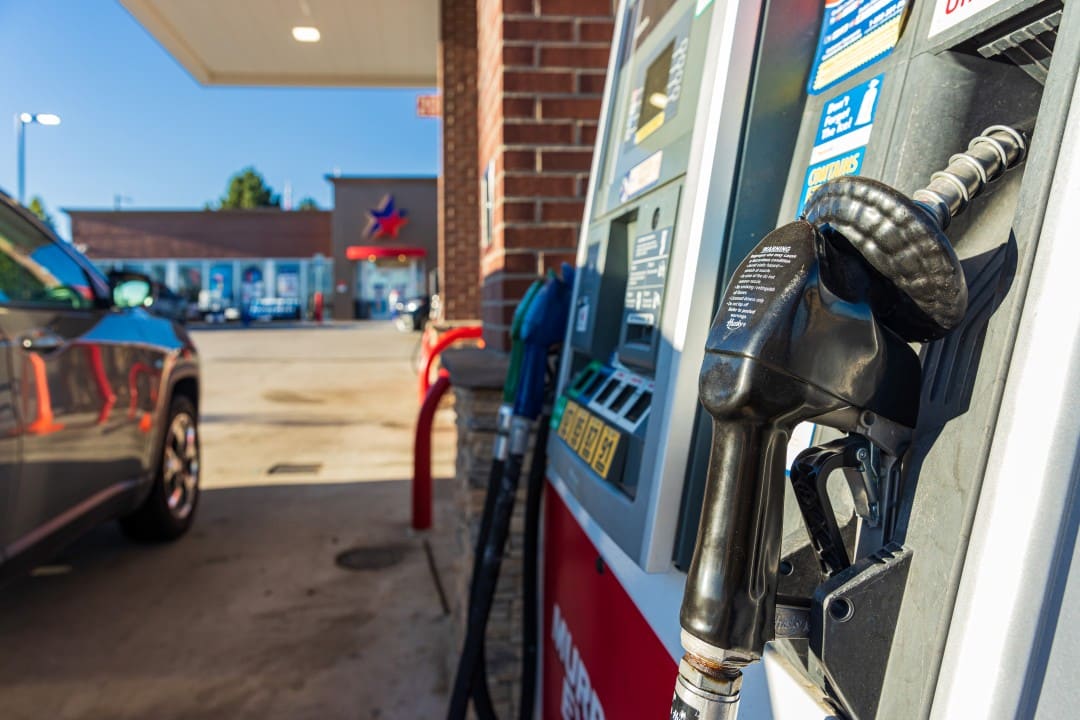
The Portuguese government implemented a new temporary reduction in fuel tax rates, aiming to contain the rise in prices at the pump. The extraordinary and temporary measure, which directly affects Imposto Sobre Produtos Petrolíferos (ISP), comes into force next Monday, bringing specific relief to consumers.
This government initiative grants a discount of 2.6 cents per liter on road diesel and 1.4 cents per liter on unleaded gasoline. Tais values represent an attempt to stabilize the final cost of fuel, which has been impacted by fluctuations in the international market.
The effectiveness of the discount is enhanced by the inclusion of the incidence of Imposto on Valor Acrescentado (VAT). Desta way, the real benefit felt by citizens is more significant, reaching 3.2 cents per liter for diesel and 1.7 cents per liter for gasoline, as detailed in an official statement.
Application of the discount and effective savings
The decision to adjust ISP rates is triggered by ordinance whenever there is an increase in fuel prices greater than 10 cents per liter. Este threshold is calculated based on the average prices practiced in the week between March 2 and 6, 2026, indicating a dynamic response mechanism by the executive to market volatility.
The government emphasizes that the accumulated support allowed the Portuguese to save a total of 9.4 cents on diesel and 5.1 cents on gasoline, when compared to the values in the first week of March 2026.
Price predictions and market dynamics
Without government intervention and support now announced, forecasts for fuel prices indicated a substantial increase. Estimava It is expected that road diesel could rise by 15.5 cents per liter and unleaded gasoline by 9.1 cents per liter from next Monday, according to information obtained from the sector. With the measures in place, these increases are mitigated, resulting in considerable savings for consumers.
Data from Direção Geral of Energia and Sem the discounts, these values would project diesel to 2,087 euros and gasoline to 1,947 euros. With the support, the expected average final prices would be 2.055 euros for diesel and 1.93 euros for gasoline, demonstrating the direct impact of fiscal intervention on purchasing power. The difference between the scenario with and without a discount highlights the importance of the measure for the budgets of families and companies that depend on transport.
Diversity of values and impact on the consumer
Despite the approved reductions, it is essential that consumers understand that final prices can vary significantly depending on the gas station. The published values represent a national average, and competition between different gas stations may result in small price fluctuations at the local level.
The Automóvel Clube of Este scenario reinforces the urgency of government intervention to avoid an even heavier impact on citizens’ pockets.
Discussion on support for the agricultural sector
In parallel with the measures for road fuels, the government is evaluating the implementation of a specific discount for agricultural diesel, also known as colored or green. The proposal, which is already under analysis by Ministério of Finanças, seeks to offer support to a vital sector for the country’s economy.
The minister of Agricultura and Mar, José Manuel Fernandes, confirmed that the issue is under discussion, having sent a proposal for a decree-law to the minister of Finanças. Ele expressed optimism about his colleague’s sensitivity to the situation faced by farmers, who depend heavily on this input.
Although the exact value of the discount is under negotiation, José Manuel Fernandes expressed the expectation that the process will be quick. The intention is to find a simple and effective formula for applying the benefit, avoiding bureaucracy that could delay the necessary support.
The history of the measure for green diesel
The search for a solution for agricultural diesel refers to previous experiences. Minister
The current management, however, seeks a more agile model to deal with price variations and ensure that support reaches farmers more quickly. Esta differentiation reflects learning from the past and the intention to optimize the distribution of resources.
Perspectives for implementing the benefit
Speedy negotiation and approval of a new format for discounting agricultural diesel is a priority for the executive. The simplification of processes and speed of payment are crucial elements for the effectiveness of the measure, especially considering the continuous variations in production costs.
Analysis of the proposal involves ensuring that the mechanism is easy to manage, both for the government and the beneficiaries. The expectation is that, with a less bureaucratic system, the aid can positively impact the agribusiness production chain in a short space of time.
Commitment to price stability
The government’s actions demonstrate a commitment to monitoring and intervening in the fuel market whenever prices reach levels that threaten economic stability and the well-being of citizens. Estas Temporary measures, combined with the search for solutions for specific sectors such as agriculture, highlight the importance of public policies responsive to global dynamics.



