
Remember the trajectory of actor Chuck Norris after a medical emergency and death at the age of 86 in Hawaii

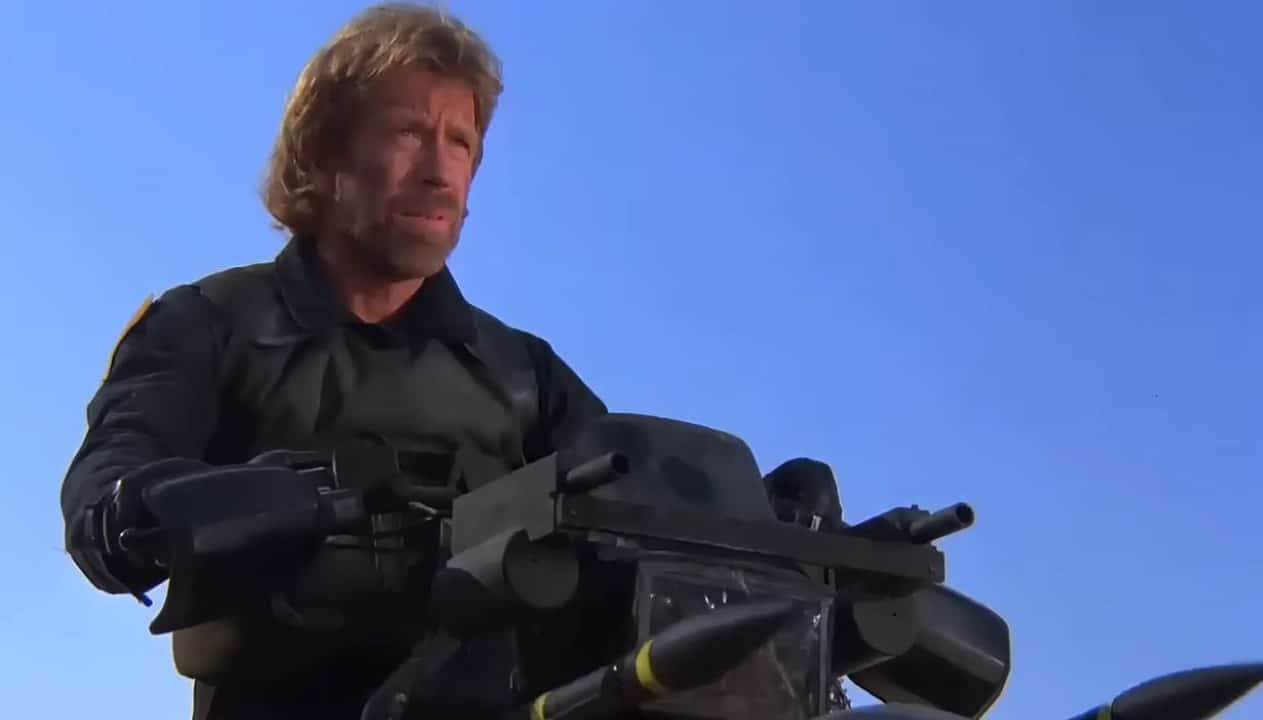
The medical emergency recorded on the island of Kauai, in the Havaí archipelago, culminated in the death of one of the biggest names in martial arts and world action cinema this Friday. The artist, who built a solid career on screen and on the mat over decades, passed away at the age of 86 after being rushed to a local health unit, interrupting a routine he maintained privately in the region.
Clinical details about the exact cause of death remain confidential, pending a formal statement from family members and the medical team responsible for emergency care. The hospitalization occurred suddenly at the beginning of the week, mobilizing local health professionals to provide first aid before transfer to the island’s main medical center.
Before the incident, reports indicated that the screen veteran was in good spirits, maintaining telephone contact with people close to him and carrying out his usual activities without showing signs of weakness. The abrupt change in the clinical picture generated immediate surprise among admirers, professional colleagues and professionals from the entertainment industry, who began to seek concrete information about the consequences of the hospitalization.
First steps and military service
Born with the registered name Carlos Ray Norris, the beginning of his adult life was deeply marked by his service to Força Aérea of the Estados Unidos. Essa military phase was decisive for his professional future, as it led him to be allocated a base at Coreia of Sul, where he had his first direct contact with traditional Eastern combat disciplines.
Rigorous training on the Asian continent shaped his physical fitness and laid the foundations for a personal philosophy guided by extreme discipline and self-control. The technical learning acquired during his period of military service served as the fundamental foundation for all his subsequent achievements in high-performance sport.
Upon returning to his country of origin, the vast knowledge he accumulated allowed the opening of several training schools, attracting students interested in his personal defense methodologies. His dedication to teaching combat techniques quickly made him a respected figure on the national competitive circuit, where he accumulated several titles in martial arts tournaments.
The absolute success in the championships caught the attention of producers and casting directors, opening the doors for a natural transition towards film acting. The ability to execute complex movements with surgical precision became his main competitive advantage in an audiovisual industry that was beginning to value more realistic action scenes.
Stardom and on-screen partnership
International recognition occurred in the 1970s, driven by strategic participation in productions that redefined the action genre in cinemas. The choreographed clash in Coliseu of Roma, recorded for the feature film released in 1972, remains one of the most studied and revered fight sequences by film experts and stunt choreographers to this day.
Collaborating with other martial arts legends at the time elevated his status from a mere sports practitioner to a bona fide global box office star. The studios began to develop specific scripts to explore his imposing physical presence and his ability to perform risky scenes without the use of stunt doubles, consolidating his name at the top of the Hollywood hierarchy during the following years.
Consolidation on television and creation of your own style
The transition from cinema to television represented a strategic milestone in the expansion of its fan base, culminating in the protagonism of police series that dominated the audience for consecutive years. His role as an Texas patrolman who used martial skills to fight crime transformed his image into a global symbol of justice and moral righteousness, reaching homes in dozens of countries through syndicated broadcasts and dubs in multiple languages. Paralelamente to television success, the formalization of its own combat system demonstrated its ability to innovate within the sporting universe in a structured way. The founding of an international federation to regulate and expand this new modality ensured that its technical and philosophical teachings were standardized and transmitted to thousands of practitioners, establishing a global network of certified instructors who keep the essence of its training methodology alive, ensuring that its technique survives far beyond its media performances.
Cultural phenomenon and presence on the internet
The turn of the millennium brought a new dimension to its popularity, driven by the emergence of virtual jokes that extolled a supposed superhuman invincibility. Essas hyperbolic narratives, disseminated massively on forums and social networks, presented his figure to a younger generation that had not followed his original theatrical releases in previous decades.
The organic adoption of his image by digital culture transformed the artist into a lasting internet icon, separating his fame strictly from his dramatic performances. The veteran himself embraced this new facet of his notoriety, participating in advertising campaigns and public appearances that made direct references to these games, demonstrating great commercial acumen.
This ability to adapt and sense of humor in the face of her own mythification helped solidify her status as an unshakable pop icon. His constant presence in the collective imagination ensured that his name remained highly relevant in the media, even during periods of less activity in film and series recording studios.
Medical occurrence and procedures in the hospital
The emergency that resulted in hospitalization in the Hawaiian archipelago mobilized local rescue teams, who provided first aid before transferring to the intensive care unit. The logistics of care in island areas require specific stabilization protocols, and health professionals acted extremely quickly to guarantee the necessary vital support during the journey to the main medical center in the region, using advanced monitoring equipment to keep the patient’s vital signs under continuous control.
The hospital environment in Kauai maintained strict privacy protocols from the moment of patient admission, restricting access to preliminary information about the clinical picture to prevent unauthorized leaks. The absence of detailed medical bulletins in the first hours generated a considerable information gap, initially filled by unofficial reports that later pointed to a fatal outcome, highlighting the complexity of managing sensitive data involving global figures in times of acute health crisis.
Global reactions and sporting legacy
The spread of news about the death triggered immediate tributes from sports associations, film studios and professional colleagues around the world. The public demonstrations highlight not only the fighter’s physical strength and talent, but also his unwavering commitment to social projects and encouraging sports among young people from underprivileged communities.
The philanthropic work developed over decades, focused on using martial arts as a tool of inclusion and discipline for vulnerable populations, is often cited as his greatest contribution off-screen. Esse continuous effort to give back to society reinforces the image of a professional who used his immense media visibility to generate concrete transformations in the lives of thousands of students.
The perpetuation of memory in audiovisual culture
The vast filmography left by the artist, combined with the international sports structure he founded, ensures that his influence will continue to be an object of study and admiration by researchers and fans. The historical archive of his performances and the fundamental principles of his martial art remain definitive records of a unique trajectory in the history of contemporary world entertainment and sport.



