
Tommy Shelby’s return in new film from the Peaky Blinders franchise gets release date on Netflix

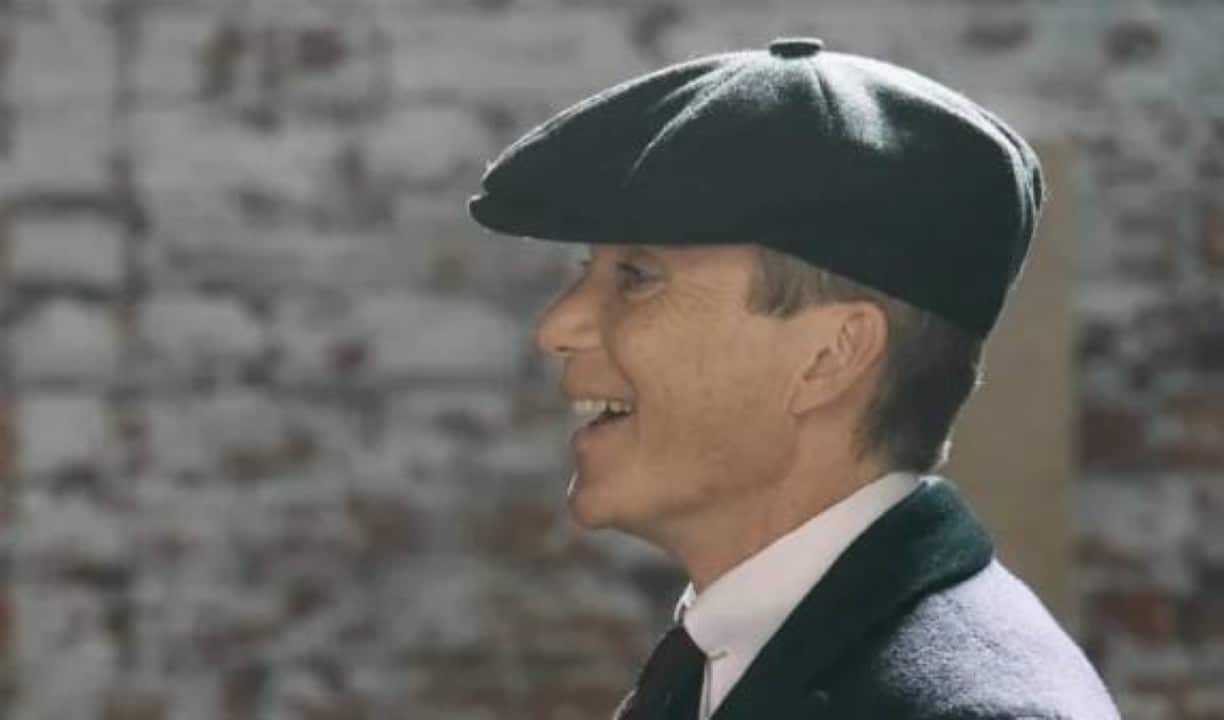
The streaming platform Netflix confirmed the official release of the feature film that continues the acclaimed British series about the mafia from Birmingham. The film production, which brings the protagonist back to the screen, has its global premiere scheduled for March 20th, inserting the characters into the tense scenario of Segunda Guerra Mundial.
The project marks the Irish actor’s return to the lead role, following the end of the episodic television narrative that lasted nearly a decade. The plot now moves forward in time to explore the direct consequences of global conflicts on the dynamics of the family criminal organization, requiring new alliances and survival strategies.

The transition from television to cinema format meets a demand from the audiovisual market and closes the narrative arcs that have remained open since the last episode broadcast. The work maintains the dark atmosphere and historical rigor that characterized previous seasons, adapting the scale of production to cinematic standards.
Development and direction of the film project
The creator of the original work, Steven Knight, took responsibility for the script for the new feature film, opting for an approach that integrates documented facts from British history with crime fiction. The decision to take the narrative to theaters came shortly after the end of the sixth season, with the aim of providing a large-scale outcome for the clan’s trajectory. The direction was entrusted to Tom Harper, a professional who was already familiar with the gang’s universe and who now applies a vision focused on the visual grandeur required by the big screen, combining elaborate action sequences with the psychological drama of the central characters.
Principal photography took place in authentic English locations, utilizing surviving industrial architecture to recreate the oppressive atmosphere of the 1940s. The production design team worked closely with historical consultants to ensure the accuracy of the sets and costumes, reflecting the rationing and devastation caused by aerial bombings. The budget approved for the execution of the project was around fifty million dollars, an amount that made it possible to use high-resolution capture equipment and hire an extensive visual effects team to simulate attacks on urban infrastructure.
Return of veterans and integration of new actors
The main cast features the return of central figures from the television plot, ensuring the emotional continuity of the story. Sophie Rundle resumes her position as the protagonist’s sister, maintaining the cohesion of the family nucleus that manages the organization’s illicit and legal businesses amid urban chaos.
Names known to the public, such as Ned Dennehy, Packy Lee and Ian Peck, also reprise their roles as loyal members of the faction, ensuring the presence of the old guard in the new operations. Actor Stephen Graham, introduced in recent seasons, returns with increased screen time, intensifying internal and external power struggles.
To renew the dynamics of the narrative, the production cast talents from the industry to play antagonists and new allies. Barry Keoghan takes on the role of the protagonist’s estranged son, while Rebecca Ferguson and Tim Roth embody figures linked to the political and military scene, raising the level of threat faced by the criminal group.
Plot immersed in the conflicts of Segunda Guerra Mundial
The script’s timeline moves specifically to the year 1940, a period in which the city of Birmingham became one of the main targets of the German air force. The protagonist, who was living a period of self-imposed exile, is forced to return to the ruined urban center to protect his interests and his lineage.
The trigger for his return to criminal and political life occurs when his heir finds himself entangled in a complex Nazi conspiracy infiltrated in British territory. Essa premise forces the gang leader to mobilize his old contacts and resources to dismantle the espionage and sabotage network.
The narrative incorporates true events, such as Batalha of Grã-Britain, using international conflict as a backdrop for smuggling and extortion operations. The scarcity of resources and the curfew drastically alter the organization’s modus operandi on the city’s streets.
With a total duration of one hour and fifty-two minutes, the feature film adopts a fast narrative pace. The montage intersperses moments of strategic planning in anti-aircraft shelters with sequences of direct confrontation in the streets obscured by mandatory blackouts.
Technical aspects and aesthetic rigor of production
The photography direction, led by George Steel, establishes a cold and desaturated color palette that reflects the hopelessness of the war period, using low contrast lighting to emphasize the shadows. The makeup department applied aging techniques to the veteran cast, highlighting the physical and mental wear and tear accumulated by the characters over decades of criminal activity.
The sound environment was constructed to maximize the viewer’s immersion in the war scenario, with an audio design that highlights the sound of warning sirens and the distant impact of explosives. The musical score, written by Antony Genn and Martin Slattery, partially abandons the series’ contemporary style in favor of tense orchestral compositions, suited to the gravity of the historical moment portrayed.
Hybrid launch strategy and global reach
The distributor adopted a staggered exhibition model to maximize financial return and film industry awards eligibility. Antes before joining the streaming platform’s global catalogue, the work will receive a limited release in selected cinemas from March 6th. Essa exclusivity window on the big screen aims to attract audiences looking for a complete audiovisual experience, in addition to meeting the technical requirements for nominations for awards from unions and academies. Simultaneamente, marketing teams have intensified promotion in strategic urban centers, such as Londres and
Specialist critical reviews and public reception
Preliminary screenings held at European festivals resulted in a largely favorable reception from film critics. Plataformas’s rating aggregation, like Rotten Tomatoes, recorded approval ratings in excess of ninety percent, with reviews focused primarily on the maturity of the script and the performance of the main cast.
On the Metacritic aggregator, the production maintains an average of sixty-one points, indicating mostly positive reviews, although some outlets point out reservations regarding the pace of the second act. The gala premiere at Symphony Hall, in Birmingham, confirmed the work’s strong connection with local culture, attracting crowds and generating wide repercussion in the British press.
Central themes and character development
The script delves into discussions about loyalty, trauma and the weight of family legacy in times of extreme crisis. The presence of the fascist threat serves as a catalyst for the characters to question their own moral compasses, while the female figures in the plot gain independent narrative arcs that reinforce their importance in maintaining the organization’s structure during the absence of men called to the battlefront.



