

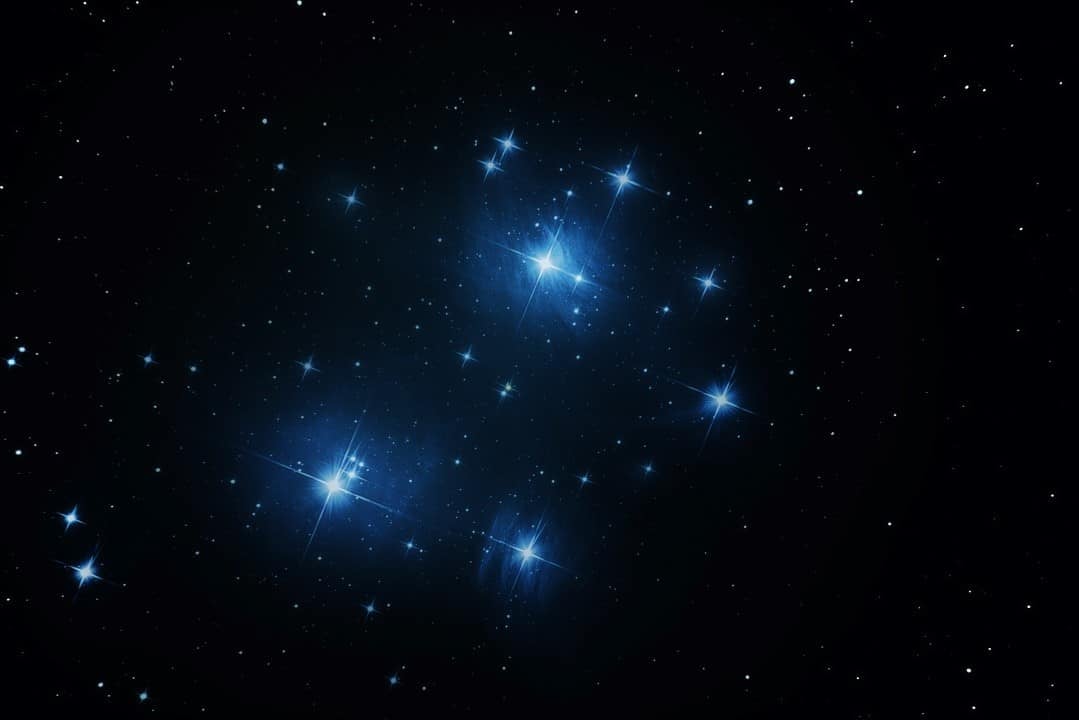
Zodiacal light, an optical phenomenon that forms a diffuse triangle in the night sky, becomes more visible during the spring equinox in 2026. The spectacle takes place after sunset on clear nights without light pollution. Pesquisas indicate that the dust responsible for scattering sunlight has its main origin in Marte. The Juno probe of Nasa captured data showing a high density of particles between the orbit of Terra and the asteroid belt.
The phenomenon appears in the direction of sunset during spring and in the direction of sunrise in autumn. Ele results from the reflection of sunlight off dust particles about the size of grains of cigarette smoke. Essas particles concentrate along the ecliptic plane, the plane that contains the orbits of the planets in the solar system. Observadores in remote locations can detect light with the naked eye.
Origin of interstellar dust
Studies based on measurements from the Juno probe reveal that much of the dust comes from Marte. Tempestades of dust on the red planet kicks up particles that escape Martian gravity. The exact escape mechanism is not yet fully understood by scientists.
Collisions between asteroids and comet tails also contribute to the formation of dust clouds. The combination of these processes creates a distribution that extends across the ecliptic plane. The higher density between Terra and Marte reinforces the hypothesis of a Martian contribution.
Optimal observing conditions in 2026
The spring equinox coincides with the new moon period in 2026. Essa configuration reduces lunar interference and improves the visibility of the phenomenon. Locais with low light pollution offer the best conditions for observation.
Photographs captured in deserts and national parks show the luminous triangle rising into the sky. Exemplos include images recorded in the desert of Al Qua’a, in Emirados Árabes Unidos, and in Parque Nacional of Amboseli, in Quênia. Observadores need to wait for the end of twilight to distinguish the zodiacal light from the Via Láctea or the remaining twilight.
Physical explanation of the phenomenon
Zodiacal light arises from the scattering of sunlight by dust particles. Elas preferentially scatters light in directions close to Sol. The result is a luminous band that tapers into a triangular shape moving away from the horizon.
Observatório Lowell researchers explain that the phenomenon is subtle and requires dark skies. Ele cannot be confused with the aurora borealis or other atmospheric events. Interstellar dust remains distributed in the ecliptic plane throughout the year, but the orbital inclination of Terra makes the phenomenon more prominent at the equinoxes.
How to observe the zodiacal light
Choose moonless nights with clear skies to try observation. Dirija go to rural or elevated areas away from cities. Após the sunset in spring, look west toward the horizon where the Sol set.
Avoid using flashlights or cell phones to preserve your eyes’ adaptation to darkness. The luminous triangle appears gradually and can extend up to 30 degrees in the sky. Under ideal conditions, it appears as a pale pyramid of light.
Data from the Juno probe on dust
The Juno probe, launched in 2011, recorded a high density of dust during its trajectory. Medições accidents between Terra and the asteroid belt indicate a significant contribution from Marte. The study was published in a specialized scientific journal in 2021.
This information updates the understanding of the composition of zodiacal clouds. Martian dust joins that from asteroids and comets in forming the visible phenomenon of Terra.
Tips for photography of the phenomenon
Use long exposure cameras on a tripod to capture diffused light. Exposições 10 to 30 seconds reveals the triangle more clearly. Inclua terrestrial elements such as dunes or trees to give scale to the image.
Professional photographers recorded the phenomenon on several continents. The images show variations in intensity depending on location and time of year.
Scientific importance of the study
Zodiacal light offers window to understand dust distribution in the inner solar system. Dados from Juno help map sources of interstellar particles. The phenomenon serves as an indicator of dynamic processes on planets like Marte.
Continued observations refine models about the evolution of orbital dust. Visibility in 2026 provides opportunity for amateur and professional records.
Differences between zodiacal light and other celestial phenomena
Zodiacal light is distinguished from Via Láctea by its triangular shape and position close to the horizon. Ela does not have a filamentary structure like the galaxy. Diferencia is also associated with twilight as it persists after the end of direct sunlight.
Amateur astronomers confuse the phenomenon with false twilights or auroras. Guias of celestial observation help to correctly identify the zodiacal light.
Future research perspectives
Additional measurements from space probes may shed light on the dust escape from Marte. Estudos comparisons between equinoxes refine knowledge about seasonal variations. The phenomenon remains accessible to observers around the world.
Zodiacal light remains one of the most subtle and intriguing celestial spectacles in the solar system.



