
Xiaomi makes Watch S5 official with 21-day battery life and advanced health monitoring on the wrist

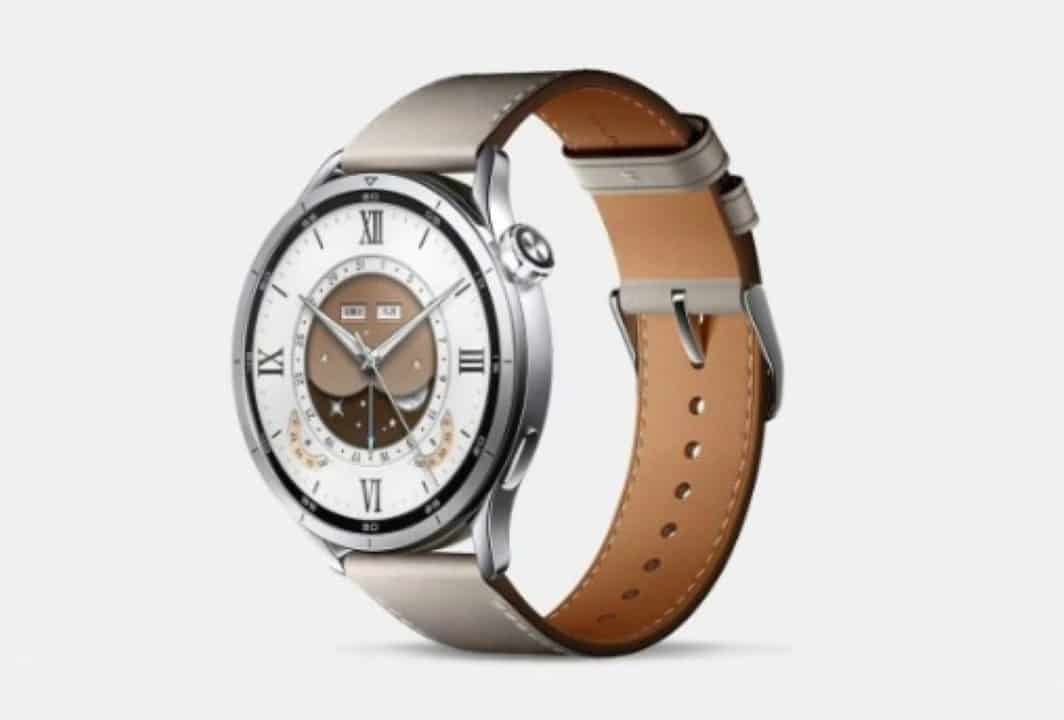
The official launch of the Xiaomi Watch S5 on the Asian market marks a new stage for the manufacturer in the wearable technology segment. The device was presented during a dedicated event and brings a series of hardware and software updates aimed at consumers looking for extended power autonomy and premium construction. The wearable device market has grown exponentially, requiring equipment that can remain away from the socket for weeks while continuously monitoring vital signs. Este new model integrates the company’s ecosystem with the promise of operating independently of the smartphone in its most advanced versions. The strategy involves offering a robust product with classic aesthetic lines, competing directly with other high-end devices available on the global technological scene. The integration of advanced sensors and a high-resolution display are the main pillars of this launch. The manufacturer seeks to consolidate its position among users who demand precision in physical activities and daily monitoring. The availability of different variants aims to cover both casual audiences and sports enthusiasts.
The sale of the equipment began immediately after the official announcement through the brand’s online store. Consumers can choose between versions with standard Bluetooth connection or models equipped with eSIM technology for independent access to the cellular network.

The initial catalog presents a variety of configurations to meet different aesthetic and functional demands. Key finishing options include:
– Modelo Classic in black and white tones
– Versão Fashion with forged carbon and midnight blue
– Variante exclusive in beige leather
Premium architecture and structural strength of the equipment
The construction of the watch uses 316L stainless steel in its case, a material widely adopted in traditional watchmaking due to its high resistance to corrosion and mechanical impacts. The integrated bezel design contributes to a slimmer visual profile while maintaining physical dimensions at 46 by 46 millimeters, with a thickness of 10.99 millimeters.
The total weight of the piece is approximately 46 grams without the bracelet, providing ergonomics for continuous use while sleeping or during intense physical activities. The structure has 5 ATM certification, which guarantees protection against water ingress at depths of up to 50 meters, allowing its safe use in swimming pools and open water swimming.
Visual panel specifications and light output
The visual interface is built around a 1.48-inch circular AMOLED panel, capable of delivering a resolution of 480 by 480 pixels. Esta setting results in a pixel density of 323 ppi, ensuring that text, graphics, and system icons are displayed in high definition and without jaggies visible to the naked eye.
One of the main technical highlights of the display is its maximum brightness capacity, which reaches 2500 nits under extreme lighting conditions. Esta specification is essential to ensure that the user can read the information on the screen even in direct sunlight, a common scenario during outdoor sports.
The screen’s touch response is optimized to recognize commands quickly, even with sweaty fingers or in humid environments. The dashboard also supports Always On Display functionality, keeping the time and basic metrics constantly visible without the need to lift your wrist or tap the screen to wake the system.
Biometric sensors and physical activity tracking
The internal hardware houses a complex set of sensors dedicated to continuous health monitoring and movement mapping. The optical heart rate reader works in conjunction with the SpO2 sensor to measure blood oxygen saturation, providing vital data for assessing the user’s cardiovascular fitness.
The system includes an accelerometer, gyroscope, geomagnetic sensor and barometer, which together map the body’s position in space and altitude variations. Estes components are responsible for feeding the algorithms that automatically detect falls and monitor blood pressure, expanding the device’s safety functions.
For those who practice sports, the software offers a library with more than 150 pre-configured training modes, covering everything from basic walking to complex modalities. The automatic exercise detection function eliminates the need to manually start tracking for common activities such as running, cycling and using an elliptical trainer.
Sleep monitoring has been refined to analyze breathing patterns throughout the night, identifying different phases of rest such as REM, light and deep sleep. The collected data is processed to generate daily reports that help the user understand the quality of their recovery and identify possible nocturnal respiratory anomalies.
Power management and operating system efficiency
Energy autonomy is supported by an internal battery with a capacity of 815 mAh, a component that directly benefits from software optimizations implemented by the manufacturer. Under normal conditions of use, with the Bluetooth connection active and standard notifications enabled, the device can operate for up to 21 consecutive days without the need for recharging. Quando the user activates continuous health monitoring, with frequent readings of heart rate and blood oxygenation, the usage time is reduced to approximately 14 days, which still represents a highly competitive brand in the wearable devices sector.
Activating Always On Display mode, which keeps the screen partially lit at all times, reduces total autonomy to around 9 days of uninterrupted use. Esta Energy efficiency is largely attributed to the HyperOS operating system, designed to minimize background resource consumption and maximize hardware performance. The software architecture allows essential processes to run on low-power cores, reserving maximum processing power only for moments of active interaction with the interface or intensive use of the GPS.
Independent communication and navigation tools
The integration of an internal microphone and a high-definition speaker turns the watch into an extension of the smartphone’s communication center, allowing you to answer and make voice calls directly from your wrist. Nas versions equipped with eSIM technology, this functionality becomes completely independent, meaning that the user can leave the cell phone at home during a run and still receive important calls, stream music and use navigation services. The geolocation system is powered by a multiband GNSS module, which connects to different satellite networks simultaneously to ensure fast and accurate positioning, even in areas with dense buildings or dense forests. Navigation through the system menus is facilitated by the presence of a rotating physical crown and side auxiliary buttons, offering a tactile alternative to the touch screen, which is especially useful when performing physical exercises or when the user is wearing gloves. The device’s compatibility covers a wide range of mobile devices, only requiring the smartphone to run version 8.0 or higher of the Android system, or version 14.0 or higher of iOS, ensuring that the vast majority of current users can integrate the watch into their digital routines without platform barriers.
Sales values and retail availability
The official prices defined for the Asian market start at 1,199 yuan for the model Classic only with Bluetooth, a value that corresponds to approximately R$950 in direct conversion. The more advanced variants, which include the Fashion line and models with eSIM support, have a suggested price of 1,399 yuan, equivalent to around R$1,100, with sales restricted to the brand’s official channels in the country of origin at this time.
Expansion strategy in the wearable segment
The introduction of this new equipment reinforces the manufacturer’s catalog in a sector characterized by high competitiveness and rapid technological obsolescence. The choice to offer multiple versions of the same product allows the brand to reach different consumer profiles, from those looking for a basic accessory for notifications to users who require a standalone communication device.
The combination of classic materials, such as leather and stainless steel, with advanced microelectronics demonstrates an industry trend towards transforming smartwatches into legitimate fashion items. The development of proprietary operating systems, optimized for specific hardware, remains companies’ primary tool for overcoming the historic challenge of battery life in compact devices.



