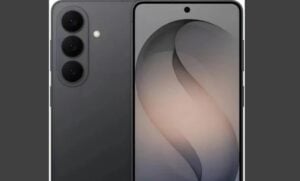
Apple develops new iPhone 17 Air with liquid glass screen and record thickness of 5.5 millimeters

The Cupertino-based technology giant is advancing the development of a new mobile device that promises to redefine design standards in the global smartphone industry. The project, focused on extremely reduced thickness and new materials, aims to introduce a device to the market with just 5.5 millimeters in profile. The initiative represents a drastic change in the brand’s visual language, requiring the complete redesign of essential internal components. Engenheiros work on adapting circuit boards and power modules to enable the ultralight structure without compromising the operational performance required by high-end consumers.
The new model introduces liquid glass display technology, an innovation designed to offer greater resistance to impacts and scratches while maintaining the flexibility necessary for such a thin chassis. Adopting this unprecedented material requires complex manufacturing methods and strategic partnerships with Asian suppliers specializing in precision components. Assembling the device requires advanced calibration equipment, since internal space tolerances are practically zero. The engineering testing schedule is already underway, with prototypes circulating in restricted-access laboratories to assess the equipment’s daily durability.

The quest for such a slim profile also impacts the accessories market and the way users interact with the device. Capas protection and peripherals will need to be redesigned to fit the new dimensions without adding unwanted bulk. The company focuses its efforts on ensuring that the structural rigidity of the aerospace aluminum used in the frame withstands the pressure of everyday use, preventing bending or accidental damage. The development of this device marks an inflection point in hardware engineering, prioritizing minimalist aesthetics combined with advanced functionality.
Innovation in materials and liquid glass screen technology
The introduction of liquid glass represents a significant technological leap in the construction of displays for high-end mobile devices. Este material combines the structural hardness of traditional glass with malleable properties at a microscopic level, resulting in a surface highly resistant to physical stress. The application of this technology allows the screen to absorb direct impacts more efficiently, dissipating the kinetic force before it reaches the light-emitting diodes.
In addition to durability, liquid glass provides superior optical clarity, reducing reflections in high-light environments and improving color reproduction accuracy. The reduced thickness of the front panel is essential to achieve the device’s 5.5 millimeter target, eliminating intermediate layers that traditionally make up conventional displays and bringing the pixels closer to the touch surface.
Engineering challenges in component miniaturization
The drastic reduction in the physical dimensions of the device imposes severe obstacles for the hardware engineering team. The motherboard, which houses the main processor and memory modules, had to be redesigned using a high-density form factor. Esta new architecture compacts circuits into multiple microscopic layers, optimizing data flow in an extremely restricted space.
Power supply is another critical point in the design of this ultra-thin model. Traditional lithium-ion batteries do not fit the required profile, forcing the adoption of power cells with high-capacity substrates and customized designs. Estas new batteries occupy a larger area inside the chassis, but are millimeters thick to fit into the structure.
To ensure the security and longevity of the power component, new load management protocols have been implemented at the operating system level. Sensores dedicated devices monitor the voltage and thermal expansion of the battery in real time, adjusting the current input during the recharging process to avoid any structural deformation in the device.
Thermal management system in ultra-thin structures
Heat dissipation in a smartphone just 5.5 millimeters thick requires unconventional thermodynamic solutions. Sem the physical space required to install traditional vapor chambers or bulky copper heatsinks, engineers had to resort to alternative materials. The internal structure of the device uses very high purity graphene sheets to conduct the heat generated by the processor to the ends of the metal alloy chassis.


Graphene acts as an expressway for thermal transfer, spreading the temperature evenly and avoiding points of concentrated overheating. Esta approach protects sensitive components, such as the liquid glass display and battery, from accelerated degradation caused by continuous exposure to high temperatures during heavy use.
The central processor also received adjustments to its lithography to operate with greater energy efficiency. The chip’s architecture has been optimized to reduce energy consumption during everyday tasks, consequently reducing heat generation. The operating system works together with the hardware, limiting unnecessary processing peaks through task management algorithms.
Rigorous thermal stress tests are conducted in environmental simulation chambers to ensure the device maintains a temperature that is safe for human touch. The evaluation occurs even when running heavy applications or recording high-resolution videos. The structural integrity of the chassis directly depends on the effectiveness of this integrated cooling system.
Reconfiguration of the camera module and optical capture
The 5.5 millimeter thickness directly affects the design of the camera system, which has historically required physical depth to accommodate overlapping lenses and large image sensors. Para To circumvent this limitation of optical physics, the manufacturer developed a set of ultra-compact lenses that use prismatic refraction to direct light to the sensor. Este mechanism allows the camera to maintain fast zoom and autofocus capabilities without creating an excessive protrusion on the back of the device, preserving the minimalist aesthetic of the original design and ensuring the device’s stability when resting on flat surfaces.
Software image processing takes on an even more fundamental role in this new photographic architecture. The absence of physically larger sensors is compensated by advanced computational photography algorithms, which capture multiple simultaneous exposures and combine them to form a final image with high dynamic range and low noise. The artificial intelligence integrated into the image signal processor calibrates colors and adjusts sharpness in milliseconds, delivering professional results even in unfavorable lighting conditions, demonstrating the synergy between the redesigned hardware and optimized software to extract maximum quality from the new optical module.
Asian manufacturing and supply chain dynamics
The commercial viability of a smartphone with such extreme physical characteristics requires substantial restructuring of the global supply chain and partner assembly lines located in Taiwan and the continental China. Fornecedores of components needed to invest heavily in new precision machining machines and robotic arms capable of manipulating microscopic parts with close to zero error tolerances. Liquid glass screen assembly, in particular, requires clean room environments with absolute control of suspended particles, as any contamination during panel sealing would result in complete loss of the component. Além Furthermore, the integration of the ultra-thin battery and high-density motherboard demands automated laser welding processes, supervised by computer vision systems that inspect each connection in real time. Partner factories have initiated extensive training programs for their operators, aiming to adapt the workforce to the new demands for strict quality control. Logistics flow has also been optimized to ensure that sensitive materials such as graphene sheets and refractory camera modules reach final assembly lines without being damaged during international transport, setting a new standard for operational efficiency in the consumer electronics manufacturing industry.
Strategic positioning in the mobile technology market
The development of this ultra-thin device reflects a clear differentiation strategy in a global market saturated by iterative designs. By focusing on extreme thickness reduction and the introduction of new materials, the company seeks to attract consumers who value premium aesthetics and absolute portability. The device acts as a technological demonstrator of the brand’s engineering capabilities, establishing design trends that will likely influence the development of competing products in the telecommunications industry’s upcoming cycles.
Veja Tambem em News (EN)

Research reveals that parents are unaware of how their children use artificial intelligence

Samsung releases new system update with new features for Galaxy Watch 4 users

Digital retail reduces the value of the Galaxy S25 5G smartphone with bank bonuses and device exchange

Amazon’s wireless CarPlay adapter has a 50% discount and high approval ratings from drivers

Zach Cregger’s new Resident Evil ignores games and focuses on an unprecedented story with new characters

Rumor suggests that Nintendo is preparing a special edition of the Switch 2 with a remake of Ocarina of Time

Apple accelerates production of the iPhone 17e and develops new Air model with dual camera system

Epic Games platform releases twelve high-budget games at no permanent cost for PC users

PlayStation 5 Pro price drop accelerates digital retail sales and eliminates global stocks

New Galaxy Watch 9 firmware appears on server and confirms progress in software development

Apple’s commemorative project tests cell phone with 1.1 millimeter edge and curved screen for 2027