
Apple prepares global launch of iPhone 18 Pro with translucent back and 5200mAh battery
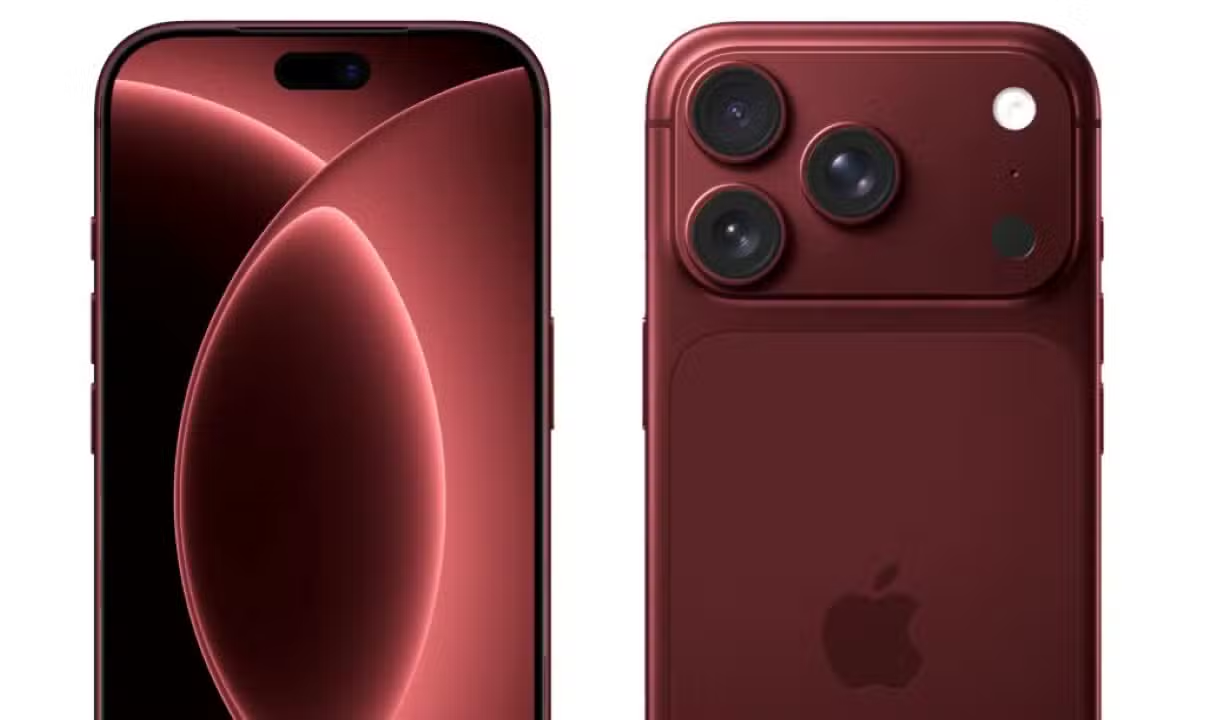
The technology giant based in Cupertino finalizes preparations for the introduction of its new generation of high-performance smartphones on the global market, with the launch scheduled for September 2026. The project involves a profound architectural redesign of the device, motivated by the decision to adopt a translucent glass rear panel and integrate a power module that exceeds the 5000 mAh mark. Product engineering required the complete relocation of internal components, such as the motherboard, connectors and heat dissipation system, to ensure a visually pleasing aesthetic through the new rear, while maintaining structural integrity against physical impacts and extreme thermal variations.
The physical changes to the device represent one of the biggest design changes in the brand’s product line in recent years. The development required the creation of new solutions to accommodate technical requirements without compromising the durability of the equipment.
– Adoção reinforced glass with chemical treatment to prevent yellowing of the translucent material.
– Remoção of visible flexible cables to optimize the internal space and appearance of the main board.
– Implementação of a redesigned cooling system with graphene plates and vapor chambers.
Translucent aesthetics and materials engineering
The application of a translucent back imposed unprecedented challenges on the large-scale production line, requiring the formulation of specific compounds to maintain transparency over time. The chosen material goes through rigorous chemical processes that prevent visual degradation caused by continuous exposure to ultraviolet rays and heat generated by internal components.
The smartphone’s internal layout was transformed into a primary design element, where the symmetrical arrangement of parts stands out. The development team needed to hide industrial adhesives and traditional metal shields, replacing them with refined finishes that are now exposed to users.
Updates to screen dimensions and technology
The dimensions of the displays have undergone significant increases compared to the previous generation, rising to 6.3 inches in the standard model of the professional line and reaching 6.9 inches in the larger version. The increase in useful display area was made possible by drastically reducing the edges around the panel, using a new screen molding technique.
The frontal sensor module, responsible for facial recognition, has had its thickness reduced by thirty-five percent. The change allowed the cutout at the top of the display to be reduced, freeing up more space for the operating system interface and third-party applications.
Energy capacity and exclusive transition to eSIM
The energy storage capacity of the new device reaches 5200 mAh, representing the largest volume ever recorded in the history of the manufacturer’s smartphone line. The physical enlargement of the battery was made possible by the miniaturization of other vital components and the adoption of more compact printed circuit boards.
The expansion of internal space was also driven by the decision to completely remove the physical carrier card tray in all global markets. The definitive transition to virtual chip technology eliminates a vulnerable point in the device’s structure, increasing resistance rates against the entry of water and dust particles.



The use of high-density batteries guarantees extended usage time even with the energy demands of new processors. The charging architecture has been revised to support power input more efficiently, mitigating heating during rapid charge replenishment cycles.
Advanced processing and artificial intelligence integration
The equipment’s processing core is powered by a chip manufactured using two-nanometer lithography, designed to maximize energy efficiency and provide computational power for complex tasks. The component works in conjunction with twelve gigabytes of random access memory, ensuring fluidity in the execution of multiple simultaneous applications.
The processor architecture was specifically optimized to run language models locally, without the need for constant connection to external servers. The neural processing capability allows the generation of texts, images and data analysis directly on the device, ensuring the privacy of user information.
The thermal management of the new chip required the implementation of a more robust passive dissipation system. The translucent structure does not allow the use of conventional heatsink plates glued to the back, forcing engineering to direct heat to the device’s titanium edges.
Graphics processing speed has also received updates to support high visual fidelity games and mixed reality applications. The hardware is capable of maintaining high frame rates for prolonged periods without triggering performance reduction mechanisms due to overheating.
Innovations in the image capture system
The main photographic assembly introduces a variable aperture mechanism, allowing physical adjustments to the amount of light reaching the image sensor. The technology offers greater control over depth of field and substantially improves the capture of photographs in environments with poor lighting, mechanically adapting to the conditions of the scene. The lens coating has been upgraded with an anti-reflective material applied at a microscopic level, reducing visual artifacts and unwanted reflections when shooting direct light sources.
Image processing software works in sync with new sensors to stabilize moving video recordings and improve optical zoom range. Lens calibration ensures that the transition between different focal lengths occurs imperceptibly for the user, maintaining color consistency and sharpness across all cameras in the rear module. Integration with artificial intelligence algorithms allows automatic correction of distortions and enhancement of details in real time.
Expanding satellite connectivity and network infrastructure
Smartphone communications infrastructure surpasses traditional cellular networks with the expansion of satellite connection capabilities in low Earth orbit. The upgraded radio frequency hardware supports sending heavier data packets, allowing users to transmit short voice messages and compressed media files even in remote areas without conventional carrier coverage. The technology was developed to operate transparently, automatically switching to the satellite network when the terrestrial signal is lost, ensuring a continuous line of communication for emergency situations or field work. The antenna system has been redesigned to capture signals more efficiently, reducing the time needed to establish a stable connection with moving satellites, representing a significant advance in the reliability of global mobile communications.
Production schedule and market strategy
The Asian supply chain has begun calibrating machinery for mass production of the new panels and internal components, with the main volume of manufacturing scheduled for the second quarter of the year. The complexity of translucent materials and high research and development costs reflect a pricing strategy aimed at the extreme premium segment, targeting consumers seeking the latest hardware innovations available in the mobile technology market.
Veja Tambem em News (EN)

Research reveals that parents are unaware of how their children use artificial intelligence

Samsung releases new system update with new features for Galaxy Watch 4 users

Digital retail reduces the value of the Galaxy S25 5G smartphone with bank bonuses and device exchange

Amazon’s wireless CarPlay adapter has a 50% discount and high approval ratings from drivers

Zach Cregger’s new Resident Evil ignores games and focuses on an unprecedented story with new characters

Rumor suggests that Nintendo is preparing a special edition of the Switch 2 with a remake of Ocarina of Time

Apple accelerates production of the iPhone 17e and develops new Air model with dual camera system

Epic Games platform releases twelve high-budget games at no permanent cost for PC users

PlayStation 5 Pro price drop accelerates digital retail sales and eliminates global stocks

New Galaxy Watch 9 firmware appears on server and confirms progress in software development

Apple’s commemorative project tests cell phone with 1.1 millimeter edge and curved screen for 2027
