
Battery failure causes BYD to announce recall of almost 90 thousand units of the Qin Plus model in China


The Chinese market regulatory authority confirmed a large-scale security operation involving one of the Asian country’s main vehicle manufacturers. The official measure points to the need to repair tens of thousands of hybrid sedans due to an inconsistency on the assembly line. The focus of preventive action is to mitigate incidents related to the automobile’s energy storage system, ensuring the proper functioning of high voltage components.
The call specifically covers one of the automaker’s most popular plug-in hybrid vehicles, which has recorded high volumes of registrations in recent years. The problem was identified after rigorous technical investigations into the behavior of electrical systems under normal driving conditions. The company acted together with state inspection bodies to structure a quick contingency plan, aiming to serve the entire affected customer base without overloading the service network.
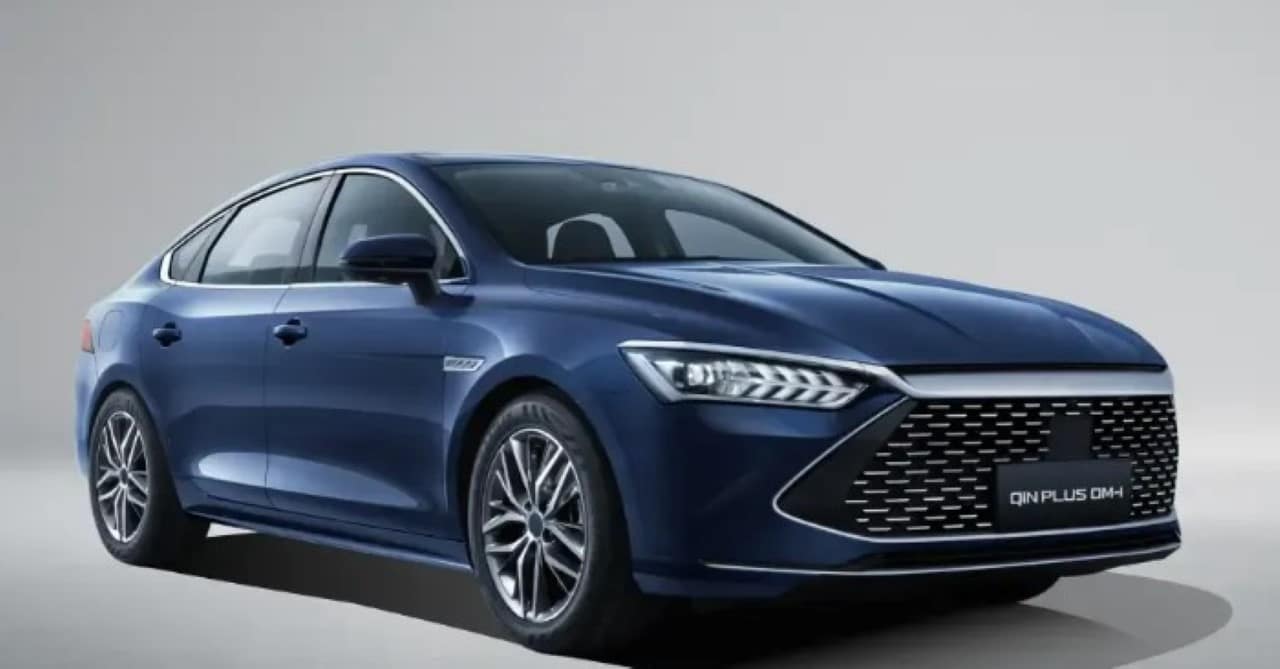
The central technical flaw lies in the manufacturing process of the main battery controller. Existe an inadequate interaction between the component accommodation tray and the vehicle’s electrical harness, which required the creation of a detailed inspection protocol.
Key points of attention from this safety call include:
– Risco of direct contact between the high voltage wiring and the metal structure of the car.
– Possibilidade of premature wear of the insulating material due to constant friction.
– Necessidade of technical intervention to prevent overheating of the electrical system.
Technical details about electrical system vulnerability
Automotive engineering investigation has revealed that there is a specific gap where the wiring harness protective tape may be insufficiently thick or covered. Esta insulation failure allows the conductor cables to be exposed and come into direct contact with metal parts of the bodywork or the battery’s protective casing itself. The mechanical friction generated by the natural movement of the vehicle, combined with vibrations from irregular roads, worsens the wear of the insulating material over the period of use of the car.
When the insulation is severely broken, there is direct interference with the vehicle’s energy flow, creating a scenario conducive to short circuits in the floor. In extreme degradation situations, the resulting thermal failure can generate uncontrollable overheating of the power cells, substantially increasing the risk of a serious thermal event. The architecture of hybrid vehicles requires impeccable and redundant isolation, given the high direct current flow required to seamlessly switch between electric and internal combustion engines during daily driving.
Affected batches and car manufacturing period
The vehicles included in this broad safety recall comprise a specific batch produced over a period of almost three years of factory operation. The manufacturing window covers units assembled between the month of January of the year in which production of the affected generation began until September of the final period identified by the brand’s technical engineering reports.
The manufacturer determined, through internal audits, that the problem does not affect the entire production line in a generalized or indiscriminate manner. The structural vulnerability is concentrated only in specific units where manual or automated assembly of internal components did not follow the rigorous electrical insulation standards required for certification of high-performance plug-in hybrid systems.
Thoroughly tracking chassis numbers allowed the automaker to isolate exactly which cars needed mechanical or software intervention. Esse logistical mapping prevents owners of proven safe lots from being called unnecessarily to authorized workshops, optimizing service time and reducing the impact on drivers’ routines.
Remediation strategy with remote updates and physical repairs
To resolve the manufacturing defect, the automaker adopted a hybrid technical approach that combines remote data transmission technology and traditional mechanical intervention at dealerships. The first step of the campaign consists of a software update sent directly over the internet to the battery management module of affected vehicles.
This new programming code has the improved ability to monitor voltage and resistance variations with millimeter precision in real time. The updated electronic system can identify anomalies in the wiring harness long before they pose a real danger of a short circuit, issuing immediate visual and audible alerts on the driver’s instrument panel.
If the on-board electronic diagnosis indicates any irregularity in energy conduction after installing the update, the owner receives automatic instructions to take the car to an authorized workshop. The customer service infrastructure was previously prepared and supplied to receive this technical demand with absolute priority.
In the specialized workshop, trained technicians carry out physical inspection and complete replacement of damaged or non-standard components, at no financial cost to the customer. The mechanical procedure guarantees the total restoration of the physical integrity of the car and the definitive elimination of the risk of overheating of the powertrain.
Position of regulatory authorities on vehicle safety
The Chinese regulatory body responsible for product quality emphasized the importance of immediate corrections and transparent processes, especially given the exponential growth of the new energy vehicle fleet in the vast Asian market. The operational safety of lithium batteries has become a top priority for government oversight agencies as they seek to maintain unwavering consumer confidence in the global energy transition and adoption of clean technologies. Incidentes involving thermal anomalies in high-capacity batteries generate great media repercussion and have the potential to damage the image of the entire national automotive industry in the foreign market. For this reason, technical approval requirements and laboratory thermal stress tests are becoming increasingly severe and detailed. The automaker’s quick response in identifying the insulation failure, formally communicating to the government and establishing a two-step structured recall protocol is seen by experts as an essential standard procedure for corporate governance in the mobility sector. Close collaboration between the private sector and government entities aims to create a zero-tolerance environment for design failures, ensuring the integrity of the electrified transportation ecosystem.
Manufacturer’s commercial performance amid safety call
Despite the logistical and financial need to recall tens of thousands of units for verification, macroeconomic data from the sector indicates that trust in the brand remains solid among Asian consumers. The most recent sales reports released by the industry show that the company continues to maintain an accelerated pace of deliveries and break monthly registration records in several categories.
The vehicle manufacturer recently surpassed the mark of four hundred thousand cars sold in a single month of operation. The plug-in hybrid sedan segment, to which the model called for repair belongs, represents a fundamental and highly profitable portion of this total volume, highlighting the public’s continued high demand for this energy transition technology.
Customer service protocols and support network
The automaker’s after-sales infrastructure was widely mobilized to ensure that the flow of service at dealerships occurs in an organized manner and without long queues for customers. Peças replacement equipment, including new reinforced wiring harnesses and insulation trays, were dispatched in advance to regional distribution centers, ensuring prompt physical repairs when software diagnostics indicate the need to replace high voltage components.
Engineering Standards for Energy Storage Systems
The inherent complexity of modern electrified vehicles requires high-voltage distribution systems to have multiple layers of protection against physical abrasion, moisture infiltration and extreme variations in ambient temperature. The technical incident with the hybrid sedan serves as a valuable case study for the continued improvement of automated assembly lines across the global automotive industry.
Industry development engineers use telemetry and physical data collected during large-scale security campaigns to redesign retention trays, cable guides, and shielded connectors. The long-term goal of automakers is to refine manufacturing processes to eliminate any possibility of human error or robotic calibration failure during the complex routing of power cables under the floor of new-generation automobiles.



