

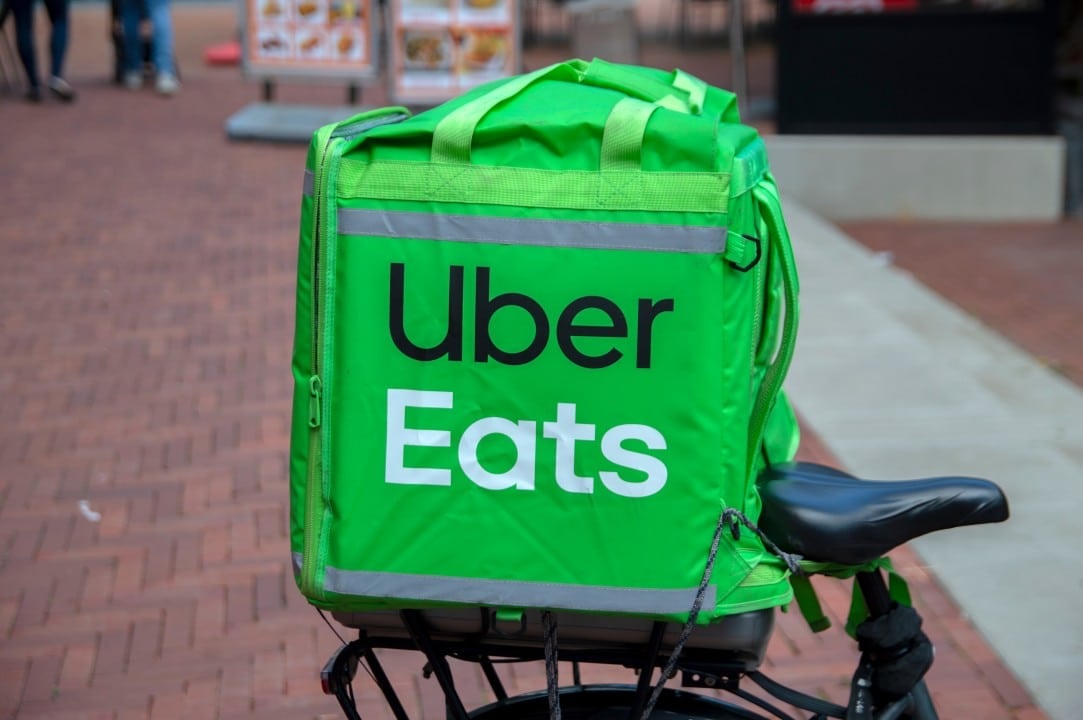
The delivery platform initiated a significant change in its billing policy in Asia, aligning the amounts charged on the app with those charged in person at commercial establishments. The measure initially covers an extensive network of partners spread across several provinces, representing a strategic move to increase the sector’s competitiveness. The initiative seeks to transform the dynamics of digital consumption, making access to prepared food more financially viable for the general population.
Consumers using the service often noticed a considerable discrepancy between the digital and physical menu, which often turned off potential daily buyers. The new guideline seeks to eliminate this financial barrier and encourage routine meal consumption through technology. By removing the built-in premium on dishes, the company is trying to change the public’s perception of the real cost of convenience, encouraging a greater volume of transactions throughout the week.

The recent global economic scenario has imposed challenges on the population’s purchasing power, and the Asian market has not been immune to inflationary pressures that have made the cost of living generally more expensive. Diante this reality, technology companies focused on providing services needed to restructure their business models to maintain attractiveness and relevance. The decision to match dish prices represents a direct effort to retain a user base that has become extremely sensitive to additional fees. Adapting to this new consumer behavior is essential for the survival of platforms in a highly competitive environment, where every penny saved influences the customer’s final decision when choosing which application to open.
The implementation occurs gradually, reaching thousands of points of sale simultaneously, with the promise of continuous expansion to encompass new commercial partners over the coming months. The membership schedule prioritizes networks with a high volume of orders, ensuring that the impact of the change is felt quickly by the largest possible portion of active users on the platform.
Impact of inflation on consumer behavior
The adjustment to the charging table responds directly to a change in the consumption pattern of the local population, which began to prioritize the domestic economy to the detriment of absolute convenience. Pesquisas market share indicated that the perception of an excessively expensive service limited the expansion of delivery platforms, restricting the use of the application to special occasions or emergencies only. The elimination of surcharges on menu items aims to transform food ordering into a viable alternative for the daily lives of workers and families, integrating the service into the eating routine without disproportionately compromising the monthly budget.
Competition in the fast delivery sector requires constant adaptations to avoid migrating users to rival services that already operate with narrower margins. By ensuring that the dish costs the same price both in the restaurant hall and on the cell phone screen, the company tries to neutralize one of the main competitive advantages of in-person shopping. Essa retention strategy focuses on the volume of daily transactions to compensate for the reduction in profit margin per item sold, betting that the frequency of use will compensate for the absence of the extra fee that was previously charged on food.
Popular brands integrate the new billing system
The list of commercial partners that have adhered to the new policy includes big names in the fast and casual food sector. Redes of internationally recognized fast food restaurants, such as Burger King and Wendy’s, already operate with an updated menu for platform users.
Establishments focused on traditional Asian cuisine also have a strong presence in this initial phase of implementation. Marcas specialized in sushi and typical dishes, like Kappa Sushi and Yataizushi, offer their most popular options without any increase in the final value of the product.
The complete and family meals segment is represented by chains such as Gusto and Matsuya, which have strong penetration in urban and suburban areas. Essas options ensure that customers have access to traditional lunches and dinners while paying the exact price in the physical store.
Daily convenience is reinforced with the participation of department stores and minimarkets, such as the Lawson chain, as well as options focused on healthy eating, including Crisp Salad Works and With Green.
Fee structure and in-app transparency
Although the value of the food has been equated to that of the salon, the platform’s logistical cost structure remains unchanged. Delivery and service fees continue to be calculated and applied separately at the time of checkout.
The calculation of these additional values takes into account dynamic variables, such as the distance between the establishment and the destination, in addition to the demand for delivery people at the exact time of the order. The company maintains the policy of displaying all costs in detail before confirming payment.
This clear separation between the cost of the meal and the cost of logistics allows the consumer to accurately assess how much they are paying for the convenience of receiving the product at home, without hidden costs embedded in the price of the food.
Integration with loyalty programs and subscriptions
The financial attractiveness of the new pricing policy gains even more strength when combined with the monthly subscription packages offered by the platform. Usuários registered in the premium program are exempt from delivery and service fees on orders that reach a stipulated minimum value.
Another factor that boosts savings for the end customer is the partnership with scoring systems widely used in local commerce, such as Rakuten points. The possibility of accumulating and redeeming benefits on daily purchases transforms the application into a tool integrated into consumers’ financial routine.
Advertising campaign focuses on workers’ routine
To communicate the change in a massive way, a broad marketing campaign was launched across the country’s main communication channels. The advertising material, which features the participation of well-known public figures such as Akihiro Tsunoda, highlights the feasibility of using the service for common meals.
The tone of the communication dispels the idea that ordering food at home is a sporadic luxury, positioning the platform as a practical and accessible solution for intense workdays or for moments when cooking is not a viable option.
Delivery market dynamics and future prospects
The on-demand delivery ecosystem is going through a period of consolidation, where customer loyalty becomes the most valuable asset for technology corporations. The decision to align prices with those of physical stores is not just a temporary promotional maneuver, but rather a profound restructuring of the business model to ensure long-term sustainability. As restaurant operating costs increase and family budgets become more restricted, platforms that can offer the best value for money will dominate public preference. The expectation is that this movement will force other companies in the sector to review their own pricing policies, generating a cascade effect that, ultimately, will benefit the end consumer with fairer and more transparent options throughout the national territory. Continuous monitoring of these adoption metrics will dictate the pace of inclusion of new restaurants and the possible expansion of this model to other product categories within the application.
Checking item availability and eligibility
As the transition involves a massive volume of commercial partners, the availability of equivalent prices may vary depending on the region and the specific menu of each restaurant. Consumers are advised to browse the app and check the indicative seals in participating stores to ensure that the selected items are part of the new value parity policy.



