
Diddy and Epstein criminal cases trigger rigorous audits of studios and major banks

The global corporate scenario is going through a profound restructuring of its governance bases and commercial partnerships. Grandes Entertainment conglomerates and financial giants have begun an unprecedented sweep of their existing and historical contracts. Tolerance for ethical deviations, which for decades was overshadowed by the generation of exorbitant profits, has completely disappeared from the map of acceptable risks. Autoridades US federal agencies have intensified scrutiny of how capital flows to finance or cover up large-scale illicit operations.
Civil society, allied with institutional investors, began to demand immediate responses and concrete actions from executive boards. The focus of criminal investigations has expanded from accused individuals directly to the corporate wheels that allowed serious crimes to be perpetuated. Instituições who previously claimed ignorance are now facing legal action for omission or failure to perform due diligence, facing lawsuits that threaten the stability of their operations.
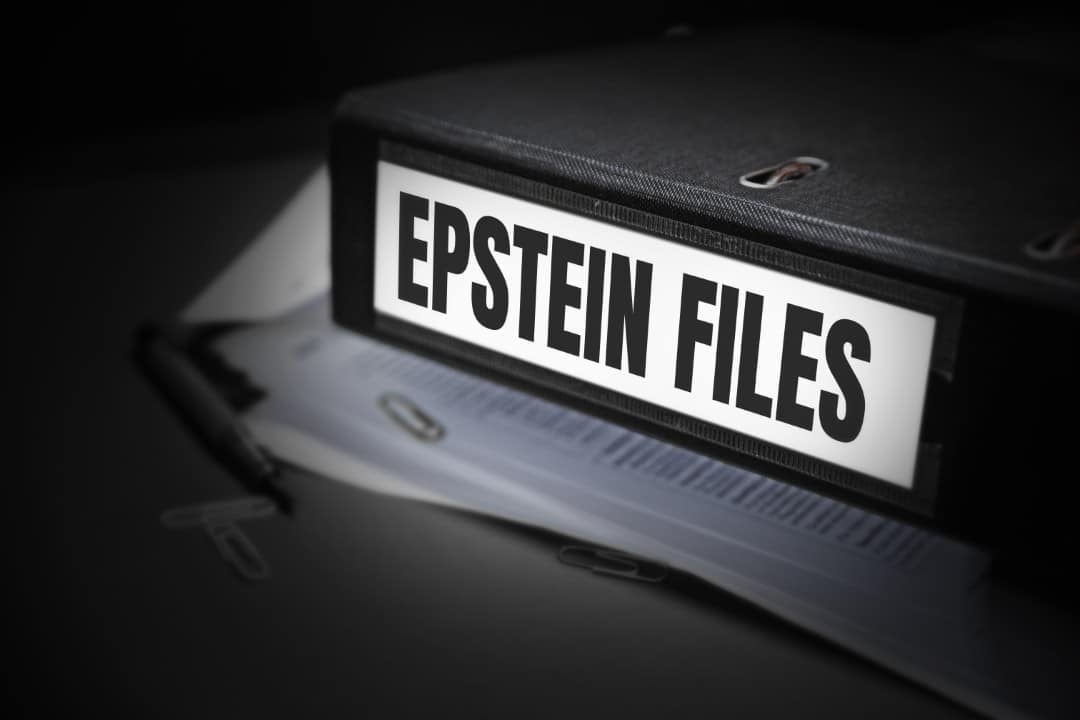
Internal audits have become standard procedure before any contract renewal or new business merger. Image shielding and mitigation of legal liabilities have come to the top of the list of priorities on boards of directors, forcing a cultural change where transparency acts as the main asset of any negotiation.
Shareholder pressure and compliance restructuring
Boards of directors at movie studios, record labels and investment banks face unprecedented pressure to justify relationships with public figures now convicted or under federal investigation. Acionistas Minority shareholders and pension funds began bringing class action lawsuits against boards that failed to identify or deliberately ignored warning signs in suspicious financial transactions. The justification that commercial success compensated for the risks associated with controversial personalities lost its validity completely in courts and shareholder meetings, forcing a detailed accounting of who authorized payments and partnerships that facilitated the exploitation of vulnerable people.
To respond to this crisis of credibility, corporations are hiring independent law firms to conduct digs into their own files and internal communications. Essas investigations seek to map the entire chain of command that approved loans, sponsorships and content distribution agreements linked to investigated individuals. The main objective of these audits is not just to punish those responsible internally, but to create an evidentiary framework that demonstrates to regulatory authorities that the company is actively collaborating with justice. The overhaul of compliance departments includes the hiring of former federal prosecutors to lead corporate ethics teams and ensure the smoothness of processes.
Developments in the investigation into Sean Combs
The arrest and subsequent legal battles involving music mogul Sean “Diddy” Combs have drastically altered the power dynamics in the music industry. The indictments detailed by federal prosecutors describe a corporate empire that operated as a criminal organization focused on sex trafficking and extortion.
Revelations about the events known as “Freak Offs” exposed the level of coercion and brutality that occurred behind the scenes at parties attended by the entertainment elite. The verdict and the progress of the investigation generated an immediate domino effect between partner brands and content distributors on a global scale.
Beverage companies, streaming platforms and television networks summarily canceled all projects linked to the producer. The speed with which contracts were broken demonstrates the new level of risk aversion adopted by the legal departments of big brands, who do not hesitate to cut ties at the first sign of criminal involvement.
Artists and executives who built their careers in close collaboration with Combs now face intense public scrutiny and parallel investigations. The music industry is trying to establish a cordon sanitaire to isolate those involved and prove that criminal practices are not systemic across all major record labels and talent agencies.
Financial connections in the Jeffrey Epstein network
In the banking sector, the continued release of declassified court documents keeps the case of Jeffrey Epstein at the center of discussions about financial ethics. The records detail how the financier used accounts at top-tier institutions to move large volumes of capital intended to pay victims, recruiters and defense lawyers.



The connivance of Wall Street executives, who ignored dozens of alerts generated by money laundering prevention systems, resulted in severe punishments applied by regulatory bodies. Grandes banks were forced to fire directors and pay record sums in out-of-court settlements to settle lawsuits brought by survivors and avoid prolonged public trials.
The case proved that the risk analysis of financial institutions failed miserably by prioritizing the volume of deposits to the detriment of the origin and destination of resources. Government supervision over high-net-worth client portfolios became extremely strict after these revelations, changing the way banks accept new account holders.
Drastic changes to morality clauses
The drafting of contracts in entertainment and finance has undergone the biggest change in recent decades with the inclusion of extremely broad and punitive morality clauses. Estúdios and sponsors now have the right to terminate agreements unilaterally, without paying termination fines, if the contractor is the target of criminal investigations or credible reports of abuse.
This change transfers the financial risk entirely to the individual, immediately protecting the corporation’s cash and reputation. The presumption of innocence, although maintained in the criminal sphere, is no longer a sufficient shield to guarantee the maintenance of lucrative contracts in the private sector, where public image dictates the rules of the game.
The new governance standard required by the market
The cultural transformation imposed by these criminal events forced the creation of a new standard of corporate governance, where investigative due diligence goes far beyond simple credit analysis or commercial viability. Antes before signing any merger, acquisition or long-term representation agreement, companies now hire private intelligence agencies to investigate the personal history, associations and past behavior of the executives and talent involved. The fear of internal retaliation, which has historically silenced employees and business partners, is being systematically dismantled by new whistleblower protection policies. Boards understood that the cost of covering up a scandal is infinitely greater than the cost of exposing and removing a high-ranking executive or artist, regardless of its profitability. Radical transparency went from being a theoretical concept discussed in public relations manuals to becoming the only viable strategy for survival in a hyperconnected global market that is totally intolerant of human rights violations and crimes of a sexual nature.
Practical measures adopted by global corporations
To ensure the effectiveness of these new guidelines, companies have implemented a series of operational protocols that change the human resources and audit routine. The objective is to create institutional barriers that prevent the concentration of power in the hands of individuals considered untouchable and guarantee a safe and monitored work environment.
– Estabelecimento of external and encrypted reporting channels, managed by third parties, to guarantee the absolute anonymity of reporters.
– Proibição strict use of confidentiality agreements to silence victims of sexual harassment, assault or discrimination in the workplace.
– Checagem continuous and periodic criminal and civil records for all holders of management positions and strategic business partners.
– Criação of independent ethics committees with veto power over commercial decisions that present a high reputational risk for the brand.
Strict regulatory requirements
Government financial and labor oversight agencies began to demand detailed reports on the preventive measures adopted by publicly traded corporations. Social responsibility and ethical integrity have consolidated themselves as non-negotiable pillars, determining the long-term viability of the largest institutions on the planet and redefining the concept of corporate success in the current century.
Veja Tambem em News (EN)

Research reveals that parents are unaware of how their children use artificial intelligence

Samsung releases new system update with new features for Galaxy Watch 4 users

Digital retail reduces the value of the Galaxy S25 5G smartphone with bank bonuses and device exchange

Amazon’s wireless CarPlay adapter has a 50% discount and high approval ratings from drivers

Zach Cregger’s new Resident Evil ignores games and focuses on an unprecedented story with new characters

Rumor suggests that Nintendo is preparing a special edition of the Switch 2 with a remake of Ocarina of Time

Apple accelerates production of the iPhone 17e and develops new Air model with dual camera system

Epic Games platform releases twelve high-budget games at no permanent cost for PC users

PlayStation 5 Pro price drop accelerates digital retail sales and eliminates global stocks

New Galaxy Watch 9 firmware appears on server and confirms progress in software development

Apple’s commemorative project tests cell phone with 1.1 millimeter edge and curved screen for 2027
