
End of exclusivity marks the release of the third chapter of Final Fantasy VII for consoles and PC By Luís Henrique Costa
5 min read
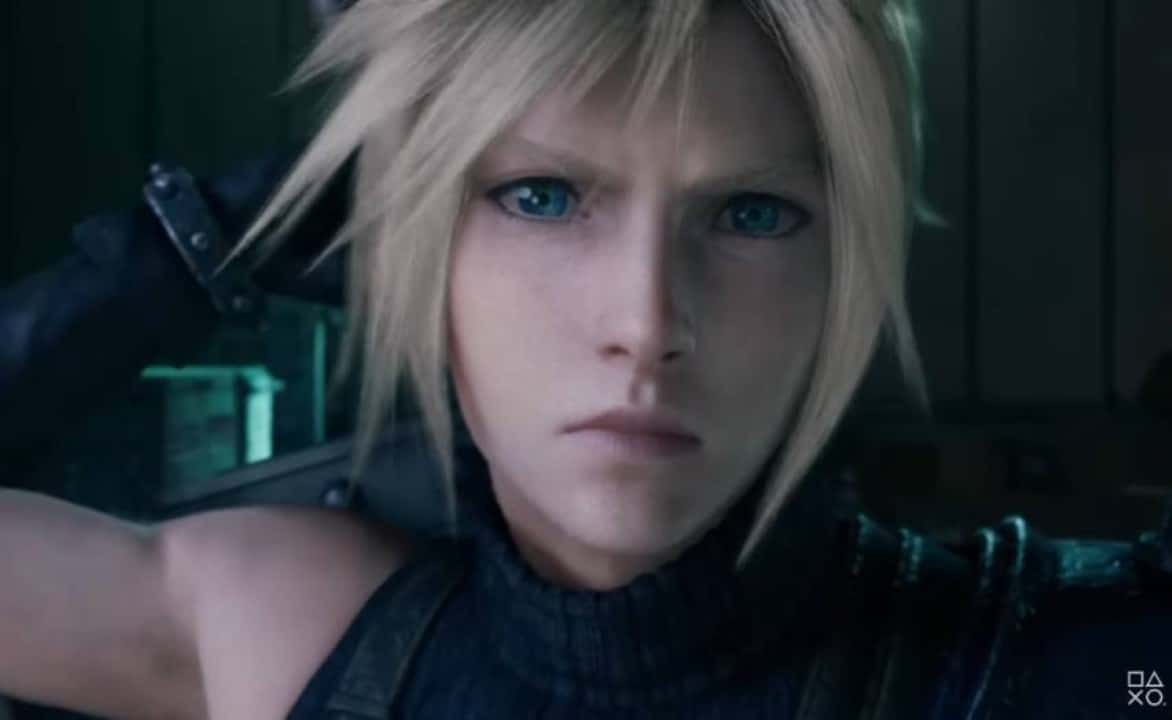 |
Japanese producer Square Enix changed the distribution model for the third and final chapter of the trilogy of recreation of the classic RPG originally released in the nineties. The new title will arrive simultaneously on PlayStation 5, Xbox Series X|S consoles and computers, breaking with the tradition of temporary exclusivity that marked the project’s first two games. The measure aims to reach the maximum player base on the first day of sales.
The decision represents a profound change in the company’s commercial strategy, which has historically maintained close ties with the PlayStation maker for major launches. Previous titles required users on other platforms to wait months or even years to access the content.

The move comes after the developer’s management reassessed its financial projections and the cost of producing high-budget games. The need to maximize immediate financial return has made exclusivity an unsustainable model for the current project scale.
New commercial guideline from the Japanese developer
The restructuring of Square Enix’s business plan was driven by recent financial reports that pointed to lower-than-expected profits from exclusive launches. The company has adopted an internal policy called multiplatform advancement, which prioritizes the availability of its main brands on as many electronic devices as possible.
This new phase eliminates contracts that limit the sale of software to a single ecosystem during the period of greatest public interest. The cost of developing a AAA-rated game has grown exponentially in the current generation of consoles. Equipes formed by hundreds of professionals, the use of advanced motion capture technologies and global marketing campaigns require a sales volume that is difficult to achieve when the product is restricted to just a slice of the market. Simultaneous sales on three different fronts dilutes financial risks and increases the probability of a return on investment in the first few weeks.
The change also reflects an adaptation to the new realities of interactive media consumption. The computer market, driven by digital distribution platforms, has grown consistently, housing a community willing to consume high-performance games. At the same time, Microsoft’s installed base of consoles represents millions of potential buyers who were ignored in the previous stages of the project. The integration of all these user bases allows the producer to unify its advertising efforts, avoiding the double spending that occurs when a game needs to be re-released for a new platform years after its original debut, thus ensuring much greater operational efficiency for the studio responsible for the franchise.
History of launches and paradigm shift in the market
The recreation project began in 2020, with the launch of the first chapter restricted to PlayStation 4. The exclusivity lasted more than a year before the title was adapted for computers, generating fragmentation in the fan community.
The second chapter, released in early 2024, followed a similar path, being available only to PlayStation 5 owners. Acclaimed by specialized critics, the game’s reach was naturally limited by the number of consoles sold up to that point.
The barrier created by exclusivity generated intense debates about the feasibility of keeping historic franchises tied to a single hardware. Jogadores on other platforms often lost interest in the product due to long waiting periods and inevitable exposure to story details on the internet.
Breaking this paradigm to close the trilogy demonstrates a recognition of the limitations of the previous model. The producer chose to prioritize the franchise’s financial health and general consumer satisfaction, eliminating the access barriers that marked the first half of the decade.
Technical development and optimization for multiple architectures
Creating complex software for three different platforms simultaneously requires rigorous programming engineering. The development team uses state-of-the-art graphics engines to ensure the game runs stably on both desktop consoles and a wide variety of computer configurations. The fast storage architecture, present in current devices, is exploited to the maximum to eliminate loading times and allow fluid transition between large-scale virtual environments, maintaining the visual fidelity required by a production of this caliber.
The optimization process involves exhaustive testing to match visual performance to the capabilities of each machine. Nos computers, this means supporting AI image resizing technologies and unlocked frame rates. Nos consoles, the focus is on delivering a consistent experience, balancing graphical resolution and fluidity of action. Unifying the development schedule prevents the team from having to return to the source code months later to create adaptations, allowing the studio to focus on creating additional content immediately.
Changes in the high-budget gaming industry
The Square Enix decision mirrors a broader movement within the technology and entertainment industry. Software exclusivity, once the main weapon for selling consoles, is losing strength in the face of the need to support increasingly larger production budgets.
Even hardware manufacturers are reviewing their strategies, taking their titles to rival platforms or launching their products simultaneously on computers. The market’s current priority is the sale of software and services, regardless of the machine the consumer chooses to use in their home.
Consumer expectations and production schedule
The announcement of the multiplatform launch generated immediate reactions in virtual communities, with a largely favorable reception from users of computers and Microsoft consoles. Ensuring that everyone can experience the outcome of the narrative simultaneously eliminates the frustration associated with staggered releases. Atualmente, the development team is in the full production phase, focused on finishing the voice recording, motion capture and construction of the vast scenarios that make up the final stretch of the adventure. The complexity of recreating the world created in 1997 with photorealistic graphics requires meticulous planning, especially as the third chapter promises to offer freedom of exploration unprecedented in the trilogy, including the use of aerial vehicles for navigation on a global scale. Coordinating a launch of this magnitude requires precise alignment between quality control, marketing and physical and digital distribution teams, ensuring that the product reaches shelves and online stores without serious technical failures.
The future of classic franchises in multiplatform format
The transition to a global and unrestricted distribution model establishes a new operational standard for the producer. The strategy ensures that historic intellectual properties reach their maximum profitability and engagement potential, consolidating the brand’s presence in all sectors of the digital entertainment market in a definitive and comprehensive way.



