
Increased aviation fuel pressures companies in Asia and raises commercial flight fares

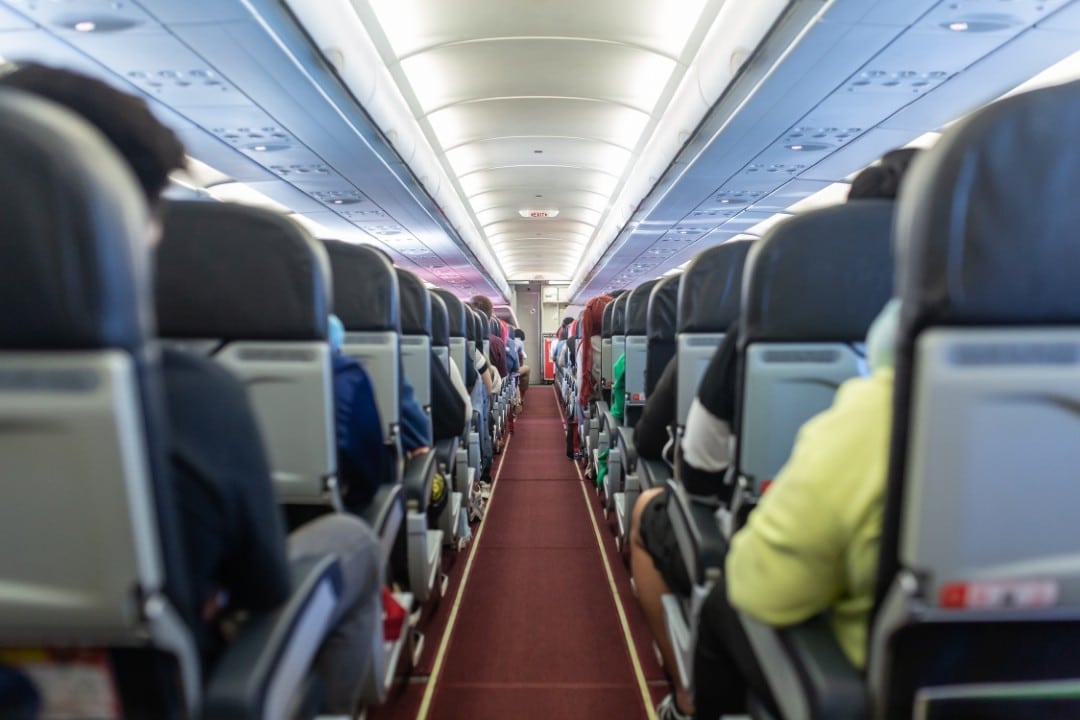
Airlines operating in the Asian market have begun extensive restructuring of their commercial fare schedules due to the continued escalation in jet fuel prices. Passing on costs to passengers has become an inevitable measure for companies in the sector, which face increasingly narrow profit margins given the global economic scenario. Financial pressure affects both large international flight operators and low-cost companies that dominate domestic routes in the region.
Airline executives confirm that the strategy of absorbing fluctuations in the energy market has exhausted its financial viability. The new pricing policy directly affects the travel planning of millions of passengers, changing the dynamics of tourism and corporate travel on the Asian continent and its connections with the rest of the world.

Jet fuel has historically represented the largest operating expense for commercial fleets, and current volatility demands quick responses from finance boards. The measures adopted go beyond a simple increase in ticket prices, encompassing a complete review of the airline network, fleet management and services offered on board the aircraft.
Direct impact of kerosene on corporate finances
Aviation fuel currently accounts for a share that varies between thirty and forty percent of all operating costs of a commercial airline. Quando the value of a barrel of oil undergoes sudden variations in the international market, the cascade effect reaching companies’ financial balance sheets in a matter of weeks. The absence of long-term financial protection mechanisms, known in market jargon as hedges, left several Asian operators exposed to daily fluctuations in energy prices.
Without the price lock guaranteed by future contracts, companies are forced to purchase fuel at the market value on the day of supply, transferring the difference immediately to ticket sales platforms. The unstable geopolitical scenario and production restrictions imposed by exporting countries keep the price of a barrel of oil at high levels, creating a business environment where cost predictability becomes an extremely complex task for airline sector managers.
Route optimization and flight efficiency
To mitigate the financial impact, network planning departments initiated drastic cuts on routes that have low occupancy rates. Frequências daily rates between secondary cities are being reduced or completely canceled to avoid aircraft flying with empty seats.
Flight operations teams also adopted strict fuel-saving protocols during all phases of travel. The use of advanced navigation software makes it possible to calculate more efficient routes, taking advantage of favorable wind currents and reducing waiting time in airspace before landing.
Ground procedures have undergone significant changes to avoid wasting energy. Taxiing time on runways at major Asian airports is strictly monitored, and the use of aircraft main engines to generate power while the plane is parked at boarding gates has been replaced by external power sources.
Changes to baggage allowance and services
The cost restructuring directly affected baggage policies and the services offered to passengers inside the cabin. Itens that were previously offered as a courtesy on short and medium-haul flights are now sold separately.
The total weight of the aircraft is a determining factor in kerosene consumption during the flight. Because of this, airlines have implemented stricter rules for transporting carry-on and checked baggage, charging additional fees to discourage overweight.
The weight reduction extends to the plane’s internal equipment, including reducing the amount of drinking water transported in the reservoirs and replacing service carts with lighter materials. Cada kilogram removed from the aircraft represents measurable fuel savings over one year of operations.
The dynamic pricing model, where the passenger only pays for the seat and adds services as needed, has established itself as the industry standard. Essa forced transparency passes the responsibility to the consumer for managing the final cost of their trip according to their comfort requirements.
Reconfiguration of the low-cost market
The low-cost carriers, who revolutionized access to air transport in the Ásia, face the biggest challenge to their business models. The promise of extremely cheap fares becomes unsustainable when the base cost of the operation exceeds the revenue generated by the sale of promotional tickets.
The market is observing a consolidation movement, where smaller companies seek mergers or strategic partnerships with large aviation conglomerates to ensure survival. The union of operations allows for gains in scale in the negotiation of fuel supply and maintenance contracts, in addition to optimizing the use of fleets on high-density routes.
Refining capacity and distribution logistics
The oil refining infrastructure in the Ásia-Pacific region presents structural limitations that worsen the supply crisis in the airline sector. Durante periods of low demand in previous years, several refineries adjusted their production lines to prioritize the manufacture of diesel and gasoline, drastically reducing the installed capacity for the production of aviation kerosene. With the accelerated resumption of commercial flights, the market was faced with a severe logistical bottleneck, where product supply does not keep up with the pace of operations at airports. The need to import refined fuel from other regions of the world adds significant costs for sea freight, port fees and land transport to underground tanks at passenger terminals. Esse mismatch between local production capacity and the airlines’ consumption needs creates a risk premium on the value of fuel in Ásia, making operations in the region proportionally more expensive than on other continents with greater energy autonomy.
Energy transition and new fuels
Government pressure and environmental goals require airlines to begin the transition to sustainable aviation fuel. Although Embora is a necessary ecological solution, small-scale production makes this new input considerably more expensive than traditional fossil kerosene, adding a new layer of operational costs that inevitably reflects on the final price of airline tickets.
Determining factors in the formation of tariffs
Pricing a modern airline ticket involves a complex algorithm that processes dozens of variables in real time. Airlines revenue managers constantly monitor the elements that make up the cost of the flight to ensure the economic viability of each takeoff.
The main components that will continue to dictate the upward or stable trend in ticket prices include macroeconomic and operational factors specific to the aviation industry.
– The international price of a barrel of oil and the local exchange rate in relation to the US dollar.
– The capacity of regional refineries to meet the specific demand for aviation kerosene without the need for imports.
– Airport fees and navigation taxes charged by local governments for the use of airspace.
– The pace of fleet renewal with new generation aircraft, which offer greater energy efficiency.
– Consumer behavior, which rigorously evaluates the cost-benefit ratio before confirming the purchase of a trip.



