

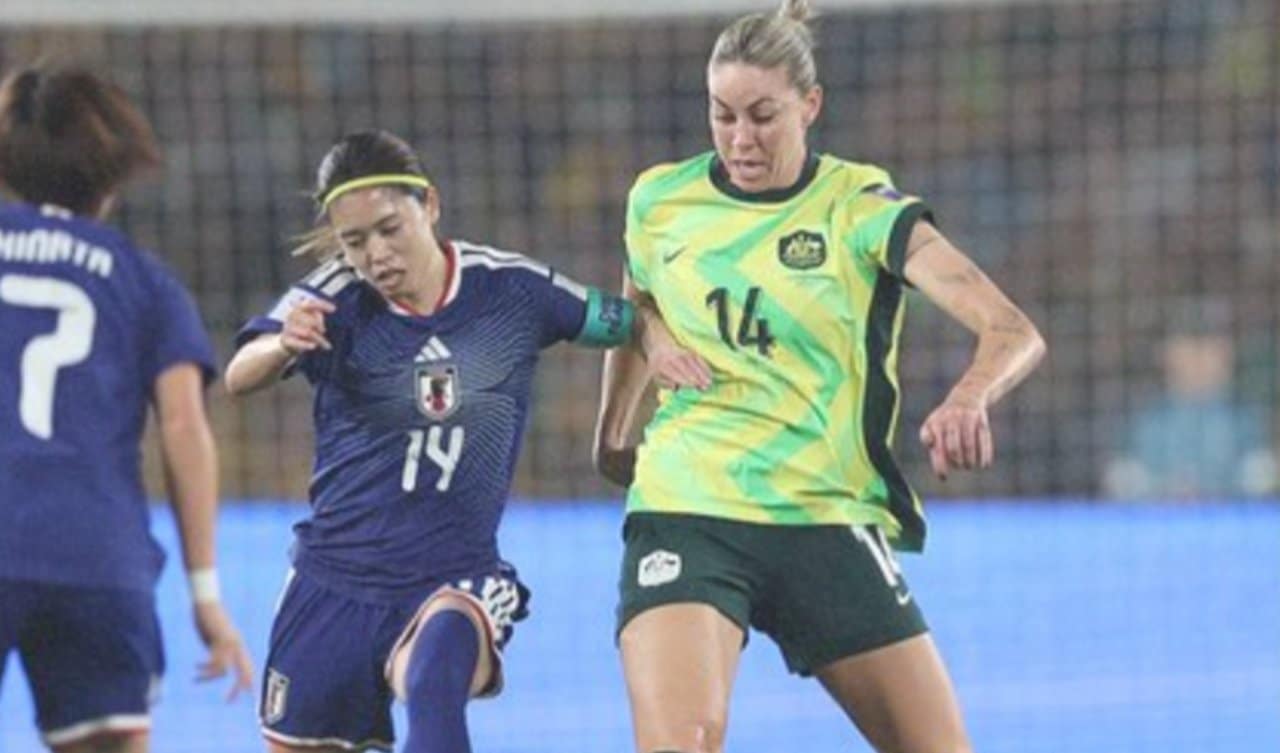
The Japão women’s football team, also called Nadeshiko Japan, became champions of the continental tournament by defeating Austrália 1-0. The decisive match took place on March 21, putting two of the region’s main sporting forces face to face in a confrontation marked by strong marking and tactical organization.
The only goal of the match secured the cup for the Asian delegation, who had to withstand pressure from the hosts for much of the regular time. The Japanese players executed a game plan focused on quick transition and the solidity of their defense line to neutralize rival attacks throughout the ninety minutes.
For the Australian team, known as Matildas, the result represented a setback in front of their audience, who filled the stands with the expectation of an unprecedented achievement. The event ended an important cycle for the host country, which had seen great sporting mobilization since the previous World Cup and hoped to crown the generation with the trophy.
Tactical strategy and team posture in the first half
The confrontation began with a remarkable study of spaces by the two technical committees, resulting in a dispute concentrated in the midfield sector. Japão’s defensive discipline stood out immediately against the Australian team’s attempt at physical imposition.
During the initial stage, neither side managed to create clear chances of finishing, as the marking lines prevailed over the creation sectors. The Japanese players adopted a more restrained stance, waiting for their opponents’ passing errors to initiate counterattacks at speed, a characteristic that the team maintained as standard throughout the continental competition.
It was evident that the Asian technical committee was relying on patience to wear down the hosts, who needed to propose the game driven by the massive support of the local stands. Enquanto to
Goalkeeper performance Ayaka Yamashita under pressure
The pace of the match underwent a drastic change in the second half, when the need to seek a result forced Austrália to move their marking lines forward. Esse movement opened spaces in the local defense, allowing Japão to find the exact opportunity to score the goal that would define the course of the championship.
At a disadvantage on the scoreboard, the Matildas began a true offensive blitz, repeatedly coming up against the inspired performance of goalkeeper Ayaka Yamashita. The Japanese athlete demonstrated confidence when leaving the goal and made crucial interventions that kept her team’s minimal advantage intact until the final minutes.
Offensive movement by the home team in the final stretch
The incessant search for a draw meant that the home team used all of its main attacking players. Jogadoras of reference, like Emily Van Egmond and
The physical intensity of the clash reached its peak in stoppage time, when even Australian goalkeeper Mackenzie Arnold was instructed to position herself in the attacking field during corner kicks. The desperation tactic aimed to take advantage of the stature of local athletes in aerial ball plays.
Despite all the volume of play generated in the final moments, the lack of precision in finishing proved costly for the hosts. The Japanese defense maintained the necessary coolness to clear crosses and block passing lines, demonstrating mental preparation in line with the demands of a championship decision.
Opportunities missed by the Australian attack
The match script could have been different if the chances created by Austrália had resulted in goals in moments of greater territorial dominance. The team managed to involve the marking in specific moves, but failed with the last touch before finishing.
One of the most emblematic moves occurred with Alana Kennedy, who acts as one of the main offensive weapons in set pieces. The athlete had a clear chance to score with a header in the final minutes, but saw her shot saved spectacularly by the rival archer.
Other attacks led by The insistence on the edges of the lawn was the main alternative found by the local technical committee to try to break through the boom.
Captain Contudo, the strong double marking imposed by the Asian defensive system considerably limited the range of action of the main star of the home team.
Organization of the Asian team’s midfield
Japão’s victory was built on rigorous control of the midfield sector, where the team managed to dictate the pace of the match even with less possession of the ball. The athletes demonstrated a unique ability to make short and quick passes, breaking the Austrália pressure lines and forcing their opponents to chase the ball in dead areas of the pitch, which caused obvious physical wear and tear on the hosts.
This efficiency in the transition between defense and attack allowed Nadeshiko Japan to manage the advantage intelligently. The quick recovery of ball possession, right after the loss, highlighted the excellent physical conditioning and tactical obedience of the group, factors that were decisive in nullifying the main plays rehearsed by the opposing team during the ninety minutes of ball rolling.
Feelings of the local fans after the final whistle
The end of the match brought an atmosphere of deep sadness to the stands and to the pitch, marking the farewell to an important cycle for the generation of Australian athletes. Após the final whistle, the players performed the traditional Olympic lap to thank the fans for their unconditional support, a moment that highlighted the pain of defeat at home. Para many of those professionals, this continental tournament represented the last opportunity to compete in a large-scale official competition in front of their own audience, as there are no events of this magnitude scheduled for the country in the short term. The frustration on the athletes’ faces reflected the weight of expectations generated over months of preparation, culminating in an outcome that, although painful, did not erase the fans’ recognition for the effort and dedication shown by the national team throughout the tournament campaign.
Celebration and consolidation of the Japanese sports project
In absolute contrast to the local scene, the Japanese delegation staged an infectious party in the center of the pitch. Winning the trophy validated the long-term planning of the country’s federation, which invested heavily in renewing the squad and maintaining a playing philosophy based on technique and collective discipline.
Preparation for upcoming international tournaments
The result of the final establishes a new panorama for women’s football on the Asian continent, reaffirming Japão as the main power to beat in the next competitions. The team proved to be mature enough to withstand the pressure of playing as a visitor in high-voltage games.
For the other teams in the region, the technical level presented in the decision serves as a parameter of excellence. The tournament demonstrated that the development of the sport requires continuous investment in infrastructure and tactical training so that teams can compete on equal terms on the international stage.



