
Japanese manufacturer releases firmware 4.93 for PlayStation 3 and requires update for Blu-ray reading

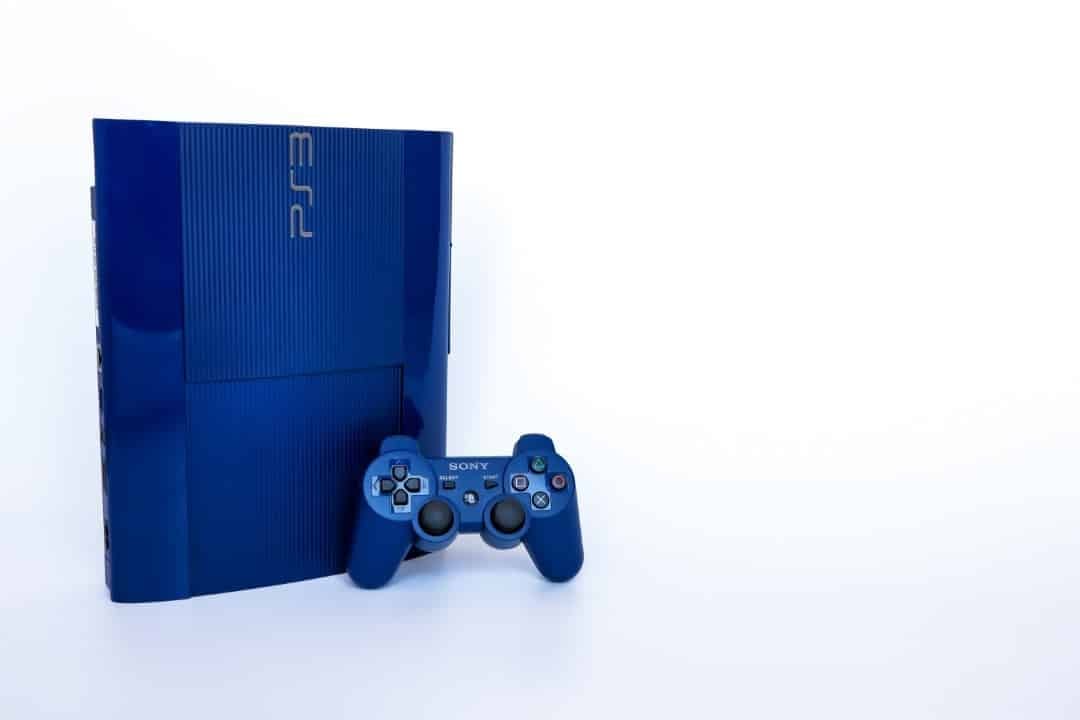
The Asian multinational responsible for the PlayStation division has released a new version of system software for one of its oldest pieces of hardware still in operation. The data package, numerically identified as 4.93, was distributed globally to all owners of the seventh generation equipment. The technical measure aims to guarantee the continuity of the device’s basic operations, specifically with regard to the recognition of optical media.
The installation file requires approximately 200 megabytes of free internal storage on the game’s hard drive. Applying this package has become a mandatory requirement for individuals who want to continue playing movies and games in physical format. The absence of this systemic validation results in a temporary blocking of the optical reader.
PS3 receives firmware 4.93!
We have an update to the Blu-Ray keys and the authentication method has been modified, as well as new certificates have been added.
We should soon have new versions of CFW and HFW for the console.pic.twitter.com/PXTggckDRV
— Senhor Linguica Pro (@SrLinguicaVIVE)March 18, 2026
The central justification for this obligation lies in the security architecture of the disk format used by the device. The system needs to periodically renew its encryption keys to recognize newly manufactured discs or maintain the reproduction license for old ones. The procedure ensures that communication between the reading hardware and the motherboard occurs without authentication failures.
Technical requirement for physical media
The copy protection technology built into high-definition discs operates under a rigorous validation protocol. The Esse mechanism, known technically as Advanced Access Content System, requires players to have decryption keys that are constantly updated. The expiration of these keys prevents the reading of any commercial content pressed on disk.
The blocking imposed by the outdated operating system does not characterize a physical defect in the laser cannon or the drive’s rotation motor. Trata is a purely software-based barrier programmed to prevent the execution of unauthorized or pirated media. Inserting a disc into a device without the 4.93 package only generates an error message on the main interface.
The manufacturer advises that applying the corrective file immediately resolves the reading restriction. The digital license renewal process takes place in the background during equipment restart, without requiring additional configuration from the owner. Disc recognition happens again in a matter of seconds after the progress bar completes.
This preventative maintenance dynamic demonstrates the complexity of media licensing contracts. Technology companies that manufacture video players must comply with agreements with film studios and software distributors to maintain the certification of their products active on the market.
Official installation procedure
Equipment owners have two distinct ways to apply the software correction and restore the optical reader’s functionality. The most direct route involves connecting the video game to the internet, either via an Ethernet network cable or via the device’s native wireless interface. When accessing the system settings menu, the user finds the network scan option, which automatically locates the 200 megabyte package on official servers and starts downloading it to internal memory. Esse method requires a stable connection to avoid data corruption when writing to the motherboard’s flash memory.
The second alternative is intended for devices that operate strictly offline or that present instability in the connection modules. The individual must use a computer to download the PUP extension file directly from the manufacturer’s support portal. Esse digital document needs to be transferred to a USB storage device, formatted in a specific file system, and allocated within a folder structure named with capital letters. When connecting the pendrive to the video game’s front ports, the operating system recognizes the removable media and replaces the security files autonomously.
Preservation of classical libraries
Continued support for hardware released nearly two decades ago directly benefits physical media collectors. A significant portion of consumers maintain vast shelves with exclusive titles that have never been converted to more modern platforms. The optical reader’s operational guarantee protects the financial investment made over the years.
Limited backwards compatibility in subsequent generations of video games makes maintaining the original device a necessity for enthusiasts. Diversos software developed for the Cell processor architecture presents technical difficulties in running on emulators or cloud computing services. The original disc inserted into the native hardware remains the most faithful way to access these interactive works.
The release of periodic security packages prevents equipment from becoming an obsolete object incapable of fulfilling its primary function. The preservation strategy adopted by the manufacturer contrasts with the planned obsolescence practices frequently observed in the consumer electronics industry.
Restrictions for modified systems
The implementation of the new data package creates immediate obstacles for the community dedicated to changing the original operating system. Installing version 4.93 overwrites vulnerabilities previously exploited by independent programmers, disabling access to applications not digitally signed by the manufacturer. Individuals who use software modifications lose the ability to run backup copies stored on the hard drive.
Forums specializing in hardware changes recommend temporarily suspending any attempt to connect to official servers. Users who prioritize running third-party code will need to wait for the development of tools adapted to the new security architecture. Essa wait requires the temporary sacrifice of reading newly released discs, creating a dilemma between maintaining extra features and official media player functionality.
Old hardware maintenance
The application of new system codes to equipment that has been in continuous use for many years requires extra attention to the integrity of the internal electronic components. Relatórios technicians indicate that devices with pre-existing failures in the wireless communication modules or optical reader controllers may enter an infinite reboot cycle while trying to write the new data packet. The operating system performs a diagnostic scan on all pieces of hardware before authorizing the replacement of files in flash memory. Caso the central processor is unable to establish communication with the network card or with the disk drive logic board, the procedure is aborted preventively to avoid the complete destruction of the machine. Proprietários of drives that show signs of physical wear, such as overheating or abnormal noises from the rotation motor, are advised to perform internal cleaning and replace the thermal paste before starting to transfer the 200 megabyte file. Preventive hardware maintenance ensures that the motherboard can withstand the thermal stress generated when writing new encryption protocols.
Digital services transition
The exclusive focus on maintaining disc reading highlights the gradual closure of the device’s connected functions. Nos In recent years, the operating system has lost compatibility with several on-demand video streaming applications, reflecting the evolution of image coding standards on the internet. Digital entertainment companies have stopped providing support for the old programming interface.
The virtual store built into the system also operates with severe restrictions on navigation and payment methods. The manufacturer keeps the servers active primarily to allow the download of past purchases and the validation of digital licenses. The current network infrastructure prioritizes the stability of basic functions to the detriment of offering new multimedia services.
Relevance of the console today
The global distribution of a patch file for a seventh-generation system reaffirms the exceptional durability of the original engineering design. The equipment maintains an active user base that justifies the operational costs of compiling and hosting new security codes. The platform’s longevity establishes a technical milestone in the history of home electronic entertainment.



