
Operator NTT Docomo closes 3G signal in Japan and affects 350 thousand users of old cell phones


The Japanese telecommunications giant confirmed the definitive deactivation of its third generation infrastructure on March 31st. The measure directly affects a significant portion of the population that still uses mobile devices manufactured more than a decade ago, marking an irreversible technological transition in the Asian country and the end of a connectivity cycle.
The number of impacted users reaches hundreds of thousands of people, the majority of whom are elderly people who are attached to traditional flip format devices, known locally for their durability and simplicity. Sem upgrade to the latest connectivity standards, these citizens will lose access to any type of mobile communication, including emergency services and basic voice calls.
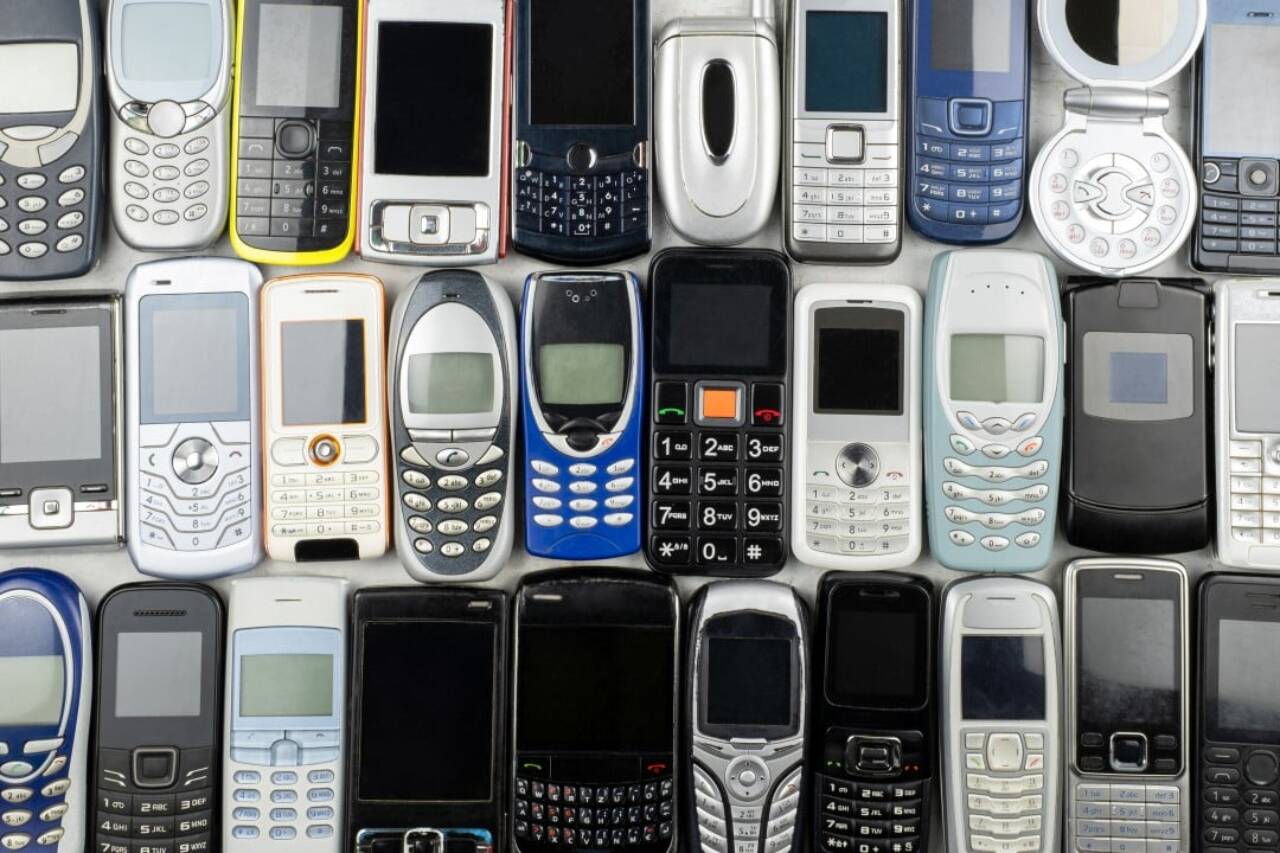
The structural change takes place exactly at midnight on April 1st, local time, at which time the old antennas will stop transmitting the radio signal. The telephone company mobilizes teams across the country to mitigate the effects of the technological blackout and ensure that the customer base is able to migrate on time, avoiding mass communication isolation.
Historical context of mobile infrastructure
The system that is now coming to an end was pioneered in the global telecommunications market in the early 2000s. The implementation of the network allowed, for the first time, high-speed browsing and media consumption directly on cell phone screens, transforming the way society consumed information and carried out daily financial transactions.
For more than two decades, technology has served as the backbone of communication in the Japanese archipelago. Signal stability and the introduction of innovative mobile email services have created a robust digital ecosystem that has maintained the loyalty of a vast consumer base over the years, even as competing innovations have emerged.
The longevity of the service reflects the resistance of a portion of the public to adopting modern smartphones with touch screens. However, maintaining obsolete equipment has become unsustainable given the need to free up space in the radio frequency spectrum for new generations of mobile internet, which require increasingly greater bandwidth.
Energy efficiency and antenna restructuring
The decommissioning of old transmission towers is part of a comprehensive modernization and operational sustainability plan for technology companies. Third-generation equipment requires considerably higher electrical energy consumption when compared to the hardware used in current networks, which generates high operating costs and goes against global targets for reducing carbon emissions. Replacing this infrastructure allows the operator to optimize its financial resources and direct heavy investments towards the expansion of cleaner, more efficient technologies that are aligned with contemporary environmental requirements.
In addition to the environmental benefits, the shutdown frees up valuable frequency bands that will be immediately repurposed to strengthen coverage on faster networks. Essa Redistribution of the electromagnetic spectrum solves chronic problems in areas with signal shadows, ensuring a more stable connection in indoor environments, such as basements, tunnels and large commercial buildings. The technical restructuring benefits the overwhelming majority of the population who already use devices compatible with current browsing speeds, providing an uninterrupted user experience in large urban centers.
Consumer guidance measures
To avoid a breakdown in communication with its older customers, the company started a mass awareness task force. The actions seek to reach users who ignored prior notices sent by correspondence over the last few months and who are at imminent risk of losing their telephone lines.
The communication strategy involves direct and indirect approaches on several face-to-face and remote service fronts. Key initiatives adopted by support teams include the following practical actions to facilitate the technology transition:
–
– Inserção of automatic audio alert messages before each telephone call made by old devices.
– Distribuição of informative graphic material in all physical branches spread across Japanese provinces.
– Disponibilização of modern phones that simulate the classic flip design, facilitating visual and motor adaptation for customers.
Physical stores located in urban centers with high circulation registered a significant increase in the flow of daily customer service. Employees receive specific training to deal with the transfer of sensitive data, such as contact books and photographic records stored in the internal memories of old cell phones, ensuring the preservation of each individual’s digital history.
The operator also established exclusive telephone lines to answer questions about tariff plans and device models available for subsidized exchange. Remote support aims to speed up the bureaucratic process before the customer needs to travel to a face-to-face service unit, reducing waiting time in queues and optimizing the work of sales consultants.
Automatic cancellation of active contracts
The official schedule stipulates that all lines linked exclusively to the discontinued technology will be automatically written off in the billing system. Customers who do not formalize the migration to the new network standards will definitely lose their connection with the operator at the exact moment the antennas are disconnected, with no possibility of extending the established deadline.
The most severe consequence of this inertia is the irreversible loss of the telephone number used by the user for decades. Como numerical identification is linked to several essential services, such as bank accounts, medical records and government records, subsequent recovery will require the signing of a completely new contract, generating significant bureaucratic disruptions to the regularization of the citizen’s civil life.
Technical procedures for updating devices
The transition process requires the account holder to be present at one of the service units to physically replace the identification chip and choose equipment compatible with current frequencies. The operator offers easier conditions, including exemption from membership fees and significant discounts on the acquisition of new terminals, with the aim of accelerating the adoption of latecomers and minimizing the financial impact of the mandatory change. Especialistas in technology recommend that younger family members accompany elderly relatives during their visit to the store, ensuring that the data plan options offered correspond to the consumer’s actual usage profile, avoiding unnecessary charges for unused internet packages. The transfer of information stored on obsolete devices is carried out using specific extraction software at the branches themselves, ensuring that no personal data, text messages or photographs of sentimental value are lost during the hardware change. The urgency in carrying out this procedure avoids congestion in the service system in the days before the signal is definitively cut, ensuring a smooth transition without interruptions in the telephone service.
Evolution of voice call quality
Forced migration brings as a technical counterpart a substantial improvement in the clarity of audio communications across the country. The adoption of voice protocols over high-speed networks eliminates the noise and faults characteristic of converted analog transmissions, providing a much clearer, more stable and secure conversation experience for users who upgrade their terminals.
Focus on developing advanced connectivity
The closure of legacy infrastructure operations represents a milestone in the technological advancement of the Asian telecommunications sector. By eliminating the costs of maintaining an obsolete system, companies direct their human and financial capital towards research, development and implementation of ultra-fast networks that will support the next industrial revolution.
The consolidation of fifth generation technologies and initial studies for future connectivity standards directly depend on the release of the radio spectrum. The transition ensures that national infrastructure remains competitive on the global stage, meeting the exponential demand for data traffic in the digital era and paving the way for innovations in artificial intelligence and urban automation.




