
Rejected in Japan, Yamaha’s adventurous scooter conquers the global market and gains an electric version

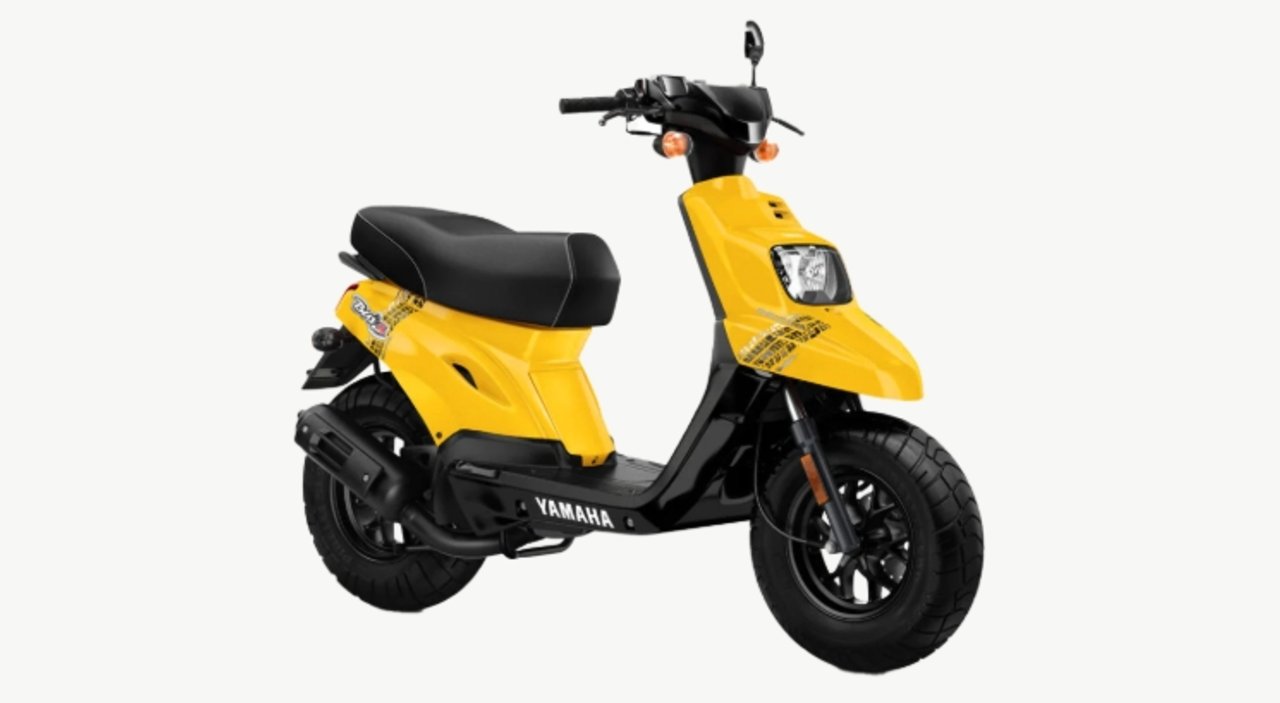
Originally launched at the end of the eighties, a bold bet by the Asian motorcycle industry redefined the concept of urban mobility by mixing daily practicality with the rugged look of the trails. Japanese manufacturer Yamaha presented the world with a model that initially did not find resonance among consumers in its home country, facing low sales and an early interruption in the assembly line.
Despite the unfavorable scenario in the domestic market, the project was not discarded by the automaker’s executives, who decided to transfer the molds and production responsibility to subsidiaries on other continents. Essa strategic decision transformed a vehicle considered commercially unviable into a true international sales phenomenon, accumulating decades of continuous presence in Europa and Américas dealerships.

Currently, the original model has evolved to incorporate new propulsion and energy efficiency technologies, maintaining the adventurous DNA that has characterized it since the first draft. The trajectory of this vehicle illustrates the complexities of the global automotive market, where acceptance of an innovative design can vary drastically depending on local culture and the specific travel needs of each population.
Origin of the project and the Asian scenario in the eighties
During the decline of the intense moped sales boom at Japão, the Yamaha engineering team sought an alternative that could attract a young audience interested in leisure and aesthetic differentiation. The concept called “Big & Essa approach resulted in a vehicle with strong visual appeal, symmetrical dual headlights, and an aggressive stance that contrasted sharply with the elegant, restrained lines of the traditional scooters that dominated the streets of Tóquio and other major Japanese metropolises of the time.
Even with the rapid introduction of a sports variant adapted for asphalt, which brought elements of the biker style just one month after the official launch, local consumers demonstrated strong resistance to the innovative proposal. The Japanese market at that time valued space saving, lightness and discretion, characteristics that went against the exaggerated robustness of the new moped. Consequentemente, registration numbers were far below the board’s initial projections, forcing the head office to suspend domestic manufacturing after a short period of activity on the assembly lines, sealing what seemed to be the premature end of the project.
Production transfer and the commercial explosion in Europa
The turning point in the model’s history occurred when Yamaha Taiwan took over the manufacture of the 100 and 125 cc versions, while MBK, the group’s French subsidiary, began local assembly under a new nomenclature. The adaptation of the original molds to meet strict European specifications allowed the vehicle to be quickly inserted into the market on the old continent.
In França and neighboring countries, the scooter found a teenage and young adult audience looking for an affordable, durable and highly customizable means of transportation. The combination of a structure resistant to light collisions in urban traffic with ease of maintenance transformed the model of Japanese origin into one of the brand’s most profitable products in the region.
The commercial success was so significant that the European assembly line kept production active for more than thirty uninterrupted years. The vehicle became a cultural icon among young Europeans, exceeding initial expectations and proving that the original design had immense potential when targeted at the right audience.
Technical specifications that differentiated the model
The engineering applied to the moped introduced elements that, until then, were exclusive to larger motorcycles intended for use on dirt roads. The structure was designed to withstand the stress of irregular urban traffic.
– The adoption of wide block tires represented the main visual and functional innovation, guaranteeing superior grip on mixed terrain and efficient absorption of bumps on bumpy roads.
– The front optical assembly, made up of double rounded headlights, not only improved nighttime visibility, but also gave it an unmistakable visual identity reminiscent of rally vehicles.
– The engine strategically varied between 50 and 125 cylinders over the years, offering options both for beginners without a specific license in some countries and for motorcyclists who demanded greater performance in daily traffic.
The strategic return to the Japanese market
Ten years after the end of original production, the automaker decided to test Japanese public acceptance again by importing batches of the Taiwanese version equipped with significant updates. The model returned boasting obvious technical improvements, such as efficient disc brakes and light alloy front suspension.
Despite the marketing effort and mechanical innovations applied to modernize driving, sales volume remained at modest levels. Essa lukewarm response from local consumers resulted in a new official discontinuation, highlighting the historical difficulty of establishing the concept in its own birthplace.
The strength of independent importers in Ásia
During the period in which the official automaker kept the model out of its main catalog in the Asian market, an unofficial sales network took the lead. Importadores independents realized that there was a niche of consumers eager for the larger displacement versions manufactured in Taiwan.
These companies began bringing in regular batches of the vehicle, ensuring that the culture surrounding the adventurous scooter did not completely disappear from its home country. Essa parallel movement was essential to prove to the brand’s management that there was still commercial viability for the product, motivating a subsequent relaunch that lasted until recently.
Recent updates and the electric transition
Keeping up with global demands for sustainable mobility and energy efficiency, the brand’s international divisions have promoted profound updates to the vehicle’s architecture for today. Nas Américas, especially in the Estados Unidos and Canadá markets, the latest versions maintain the high-efficiency combustion engine, focusing on fuel economy and integration of modern digital panels, preserving the utilitarian appeal that attracts the North American consumer. Simultaneamente, the European operation took a definitive step towards the future by introducing fully electric variants, equipped with clean traction units developed by the parent company itself. Essas new ecological options maintain the characteristic chassis geometry and wide-profile tires, proving that it is possible to adapt a classic design from past decades to today’s strict carbon emissions standards, ensuring the survival of the original concept in urban centers that increasingly restrict the circulation of combustion engines.
Influence on contemporary motorcycle design
The persistence of this unique project demonstrated to the global industry that the segmentation of scooters does not need to be limited to vehicles with smooth lines and strictly urban use. The legacy of mixing the agility of a moped with the robustness of an off-road motorcycle paved the way for a new category of compact adventure vehicles, directly influencing the catalogs of competing automakers and consolidating an aesthetic that continues to attract thousands of new motorcyclists every year.



