
Rising aviation kerosene prices force Asian companies to readjust air ticket prices

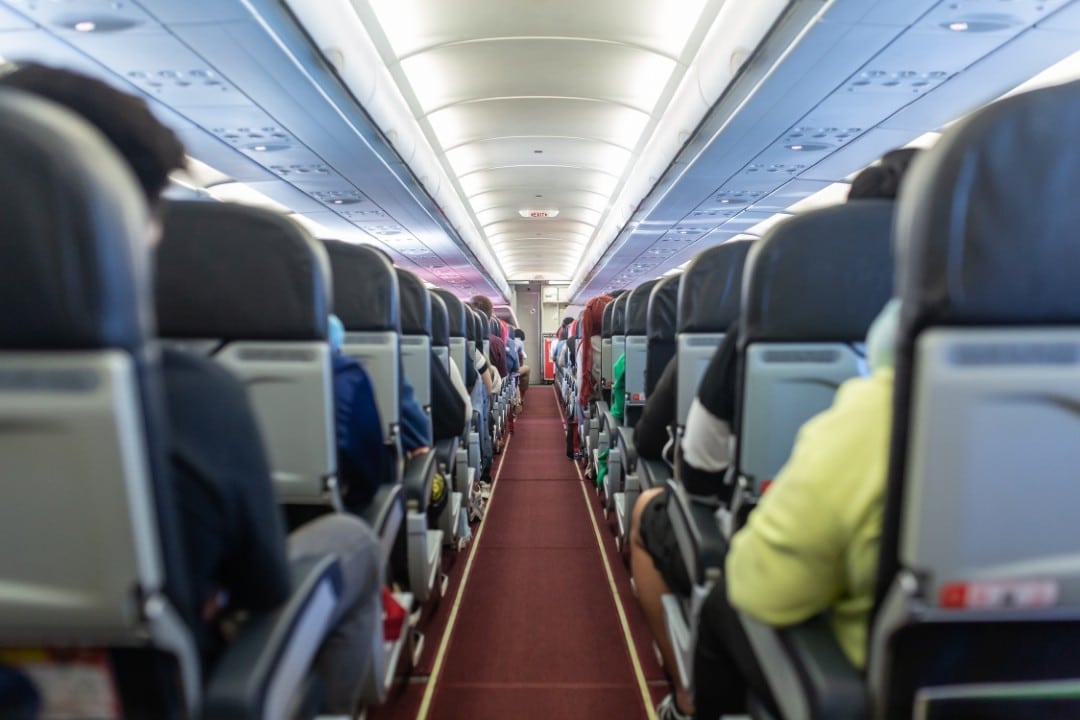
The civil aviation sector on the Asian continent is registering a widespread movement of passing on costs to consumers, driven by the rise in aviation kerosene prices. The region’s main operators began applying new fare tables for domestic and international flights, reflecting the direct pressure from essential operational expenses. The measure affects high-demand routes, including strategic connections in financial and tourist centers, changing travel dynamics across the region. The movement occurs at a time of stabilization in demand for flights, forcing companies to balance profitability with maintaining attractiveness for frequent and sporadic passengers.
Fuel market dynamics and cost pressure
Volatility in the international energy market directly affects the financial spreadsheets of airline operators around the world. Aviation kerosene historically represents between thirty and forty percent of the total expenses of a company in the sector, making any market fluctuation a determining factor for the viability of commercial routes. Quando the value of the input rises abruptly, the companies’ profit margin is compressed almost instantly, requiring quick responses from the pricing departments.

Geopolitical factors and restrictions in the global supply chain keep the value of a barrel of oil at high levels. The lack of long-term financial protection mechanisms, known as hedging contracts, by some Asian companies leaves them exposed to daily fluctuations. Sem this price lock, companies are forced to purchase fuel at the market value of the day, passing on the difference to the tariffs charged to end customers on sales platforms.
Operational adjustments and network optimization
To mitigate total cost absorption, route planning departments implement cuts on routes considered less profitable. Frequências of flights between secondary cities undergo scheduled reductions, concentrating traffic in large connection hubs to ensure maximum aircraft occupancy. Essa strategy aims to spread the cost of the flight over the largest possible number of occupied seats, ensuring the financial viability of the operation.
Flight engineering and operations teams adopt strict fuel-saving protocols at all phases of the journey. Isso includes route optimization using advanced navigation software, which calculates more efficient trajectories, takes advantage of favorable wind currents and reduces waiting time in the air before landing at Ásia’s congested airports.
Ground procedures also undergo rigorous reviews to reduce the consumption of aircraft auxiliary engines. Taxiing time on the runways is closely monitored by control towers, and the use of external electrical energy at the boarding gates replaces the burning of kerosene by the aircraft themselves during the boarding, disembarking and cabin cleaning processes.
Changes in the structure of passenger services
The financial restructuring of airlines directly affects the provision of onboard services and baggage allowance policies. Itens previously offered as amenities on short and medium-haul flights are now sold separately, generating ancillary revenues that have become essential for the daily cash flow of civil aviation companies.
The rules for transporting checked bags and even hand luggage become stricter and subject to inspection at the boarding gate. The technical objective is to reduce the total weight of the aircraft, since lighter planes require less engine power and, consequently, consume less kerosene during takeoff and cruise flight, resulting in large-scale savings throughout the year.
Communication with customers about the composition of tariffs takes on new contours, with details of boarding fees and transfers related to fuel. Digital ticket sales platforms display the breakdown of values to justify the final amount charged at the time of issuing the electronic ticket, seeking transparency in the face of consumer complaints.
Loyalty and mileage accrual programs undergo updates to their internal regulations. The number of points required to redeem airline tickets follows inflation in the sector, requiring frequent flyers to accumulate larger balances on their credit cards and flights to guarantee seats on highly sought after international and domestic routes during holidays and peak seasons.
Reconfiguration of the operators’ business model
The current scenario forces a rapprochement in the strategies adopted by traditional airlines and low-cost companies. Conventional carriers reduce their service differentials to compete on price, removing entertainment screens from smaller aircraft and densifying seating configurations. Enquanto Therefore, low-cost companies face difficulties in maintaining their aggressive rates without compromising the minimum operating profit margin required by shareholders and investors in the financial market.
Market consolidation becomes a likely path, with smaller companies seeking strategic alliances or mergers to ensure survival in a high-cost environment. Flight sharing, technically known as codeshare, is gaining momentum among Asian operators, allowing the maintenance of a variety of destinations without the need to allocate their own aircraft and crew on routes with a lower passenger density.
Refining capacity and bottlenecks in regional production
The oil refining infrastructure in the Ásia-Pacific region has structural limitations to meet the peak demand for jet fuel. Durante periods of low global demand in previous years, many refineries adjusted their production lines to prioritize the manufacture of diesel, gasoline and other petrochemical derivatives, reducing the installed capacity for aviation fuel. The resumption of the commercial flight network found an industrial park out of balance, generating a temporary supply deficit that puts even more pressure on prices in the physical market. Importing the refined product from other geographic regions adds logistical costs, customs fees and sea freight expenses, making the input significantly more expensive even before it reaches the underground storage tanks of the main Asian airports.
Balance between cargo and passenger transport
Air cargo logistics acts as a crucial financial compensation factor for commercial passenger flights. The use of aircraft holds to send high-value goods, electronics and express shipments helps to dilute the operating costs of the trip, making the route viable even with a seat occupancy rate lower than the ideal financial break-even point projected by the companies.
Energy transition and alternative fuels
Current financial pressure is accelerating discussions on the adoption of sustainable aviation fuels by Asian operators. Embora technology promises to reduce dependence on oil and reduce carbon emissions into the atmosphere, production on a commercial scale is still in its infancy and acquisition costs far exceed those of traditional fossil kerosene.
Local governments and civil aviation authorities begin to design incentive policies for the construction of specialized biorefineries. The long-term goal of Asian nations is to create a robust regional supply chain that offers price predictability, energy security and external independence for airlines that operate routes critical to the continent’s economy.
Determining factors in tariff composition
The complexity of setting air ticket prices in the current Asian situation involves multiple variables that act simultaneously in reservation systems. The efficient management of these elements defines the survival capacity and expansion planning of companies in the airline sector. The main components that influence the final value of tickets include:
- The international price of a barrel of oil and the local exchange rate in relation to the US dollar in daily transactions.
- A shortage of regional refining capacity specifically aimed at large-scale jet fuel production.
- The transfer of airport operating costs, landing fees and air navigation fees imposed by local governments.
- The need to adapt fleets to more modern aircraft, which require billion-dollar investments, but offer greater energy efficiency.
- Changes in consumer behavior, with passengers rigorously evaluating the cost-benefit ratio before confirming travel purchases.




