
Scientists identify Antarctica’s largest soft-shelled egg linked to mosasaur after 68 million years

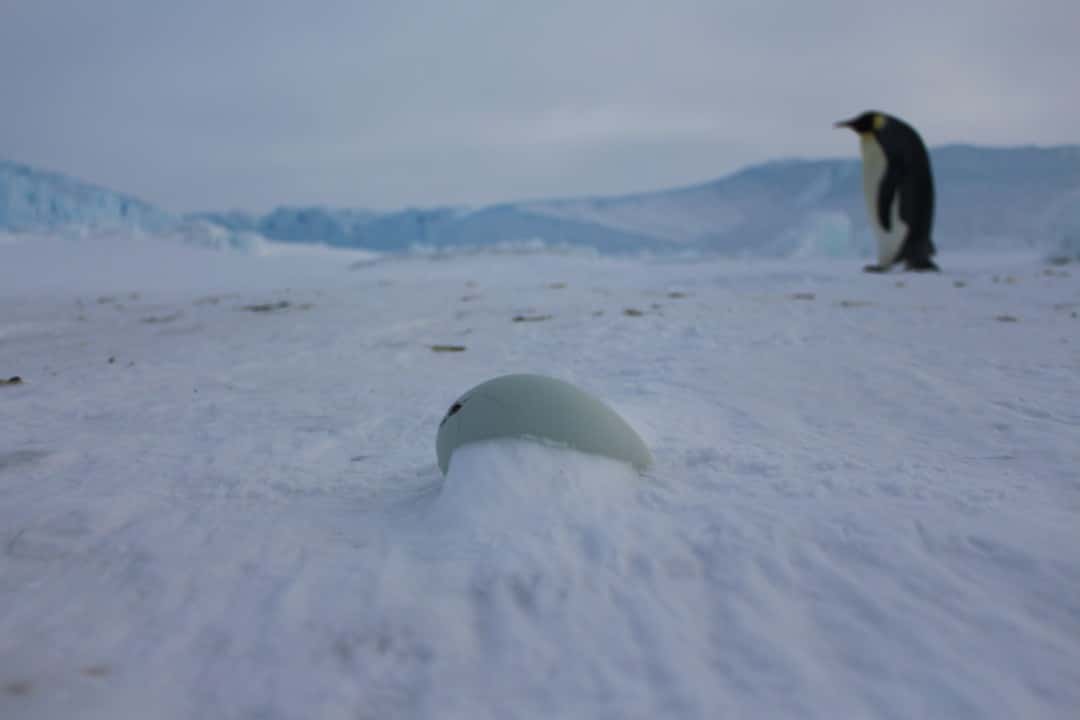
Scientists have identified an unusual fossil found in Antártida as the largest soft-shelled egg ever recorded. The specimen, discovered in 2011 at Ilha Seymour by Chilean researchers, measures approximately 29 cm by 20 cm and dates back to around 68 million years ago, at the end of the Cretáceo period. Detailed analysis confirmed its nature as a marine reptile egg, with characteristics that associate it with mosasaurs, dominant predators of the ancient oceans.
The object, initially dubbed “A Coisa” due to its strange, collapsed shape, looked like a deflated football. Later Análises revealed a thin, poreless shell, typical of lepidosaur eggs such as lizards and snakes. Essa fragile structure explains the rarity of similar fossils, as soft tissues degrade easily over geological time.
The discovery changes previous views on the reproduction of these animals. Mosassauros were considered viviparous, but the egg indicates that at least some species laid soft-shelled eggs, possibly in shallow coastal waters. The fossil was given the scientific name Antarcticoolithus bradyi, highlighting its Antarctic origin and unique characteristics.
Discovery detailserta and initial analysis
Chilean researchers found the fossil during expeditions in Ilha Seymour. The site is part of Formação López of Bertodano, with marine deposits close to the coast from the late Cretáceo period.
The specimen remained without clear identification for years. Paleontólogos noticed similarities with modern reptile eggs, which motivated comparative studies.
Confirmation came from exams that revealed layers of preserved internal membranes. Essas evidence indicates that the egg was flexible and allowed adaptation to aquatic environments.
Connection to mosasaurs and estimated size
Fossils of adult and juvenile mosasaurs were located about 200 meters from the egg. A specimen of Kaikaifilu hervei, 10 meters long, reinforces the geographic proximity.
Analyzes of 259 living lepidosaur species estimated that the responsible female measured at least 7 meters, excluding the tail. Nenhum dinosaur or pterosaur known from the region reached a size compatible with producing such a large egg.
The soft shell suggests laying in protected places, with rapid hatching in the water. Isso resembles the behavior of some current sea snakes.
Unique characteristics of the Antarcticoolithus bradyi egg
The fossil stands out for its exceptional size among soft-shelled eggs. Ele surpasses all previous records in this category and ranks second overall, behind only eggs from larger extinct birds.
The absence of pores in the bark indicates adaptation to humid environments. Essa composition allowed limited gas exchange, suitable for aquatic embryonic development.
Paleobiologists note that fragility explains why few similar eggs have fossilized. Condições exceptional preservation features at Antártida contributed to the find.
Debate over exact origin and paleontological context
Some experts consider it to be similar to soft-shelled dinosaur eggs. Comparações additional tissues could clarify structural differences.
The Cretáceo environment in Antártida was warmer, with accessible forests and seas. Isso may have favored breeding areas for marine reptiles.
Fossils of juvenile plesiosaurs from the same formation suggest regional use as a nursery. The presence of multiple species reinforces the hypothesis of reproductive aggregations.
Rare preservation and implications for future studies
Fossilization of soft-shelled eggs is unusual due to rapid decomposition. The Antarctic specimen preserves internal details that allow for precise anatomical reconstructions.
Scientific illustrations show the egg in scale with marine reptiles. Essas representations help visualize the hatching process in an aquatic environment.
Continued research in the region may reveal more specimens. Novos findings would help confirm reproductive patterns of mosasaurs and other giant lepidosaurs.
The discovery expands knowledge about reproductive diversity in Mesozoico. The egg highlights how ancient polar environments supported complex marine life.



