
Scientists introduce underground rodents into an area devastated by Mount St. Helens and recover 40,000 plants in a few years

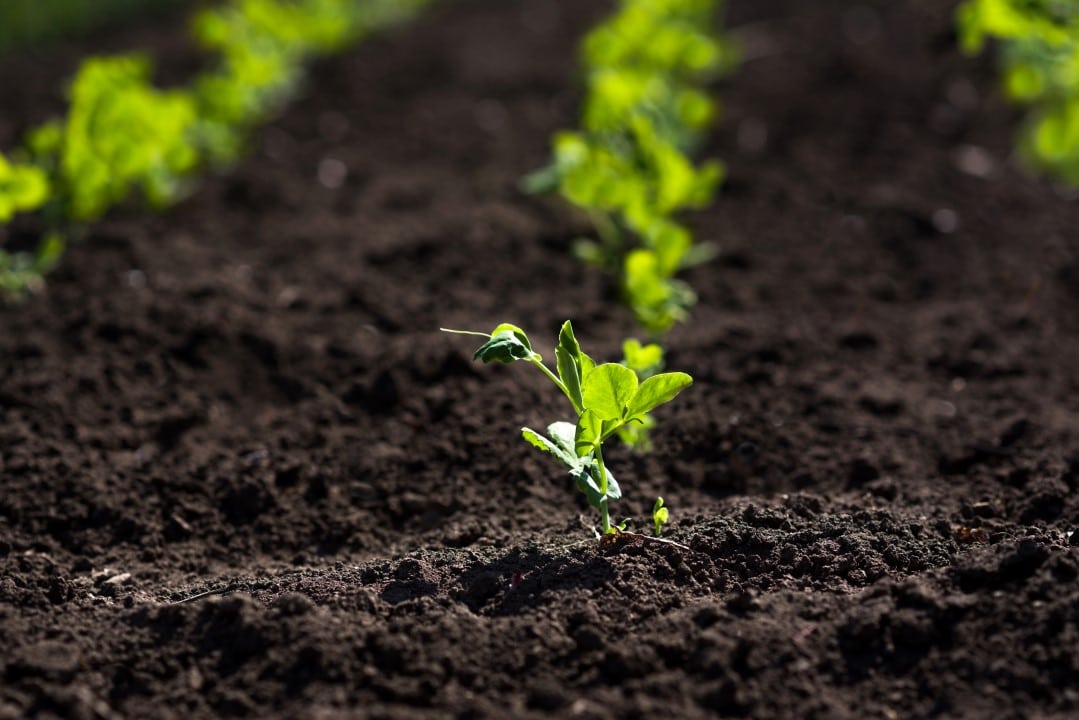
Area devastated by the Monte St eruption. Helens in 1980 remained nearly lifeless for years, with only about a dozen plants recorded across vast tracts of soil covered in ash and barren pumice. Cientistas decided to test an innovative approach in 1983 by introducing pocket gophers, small underground rodents, into specific plots of the site. The objective was to evaluate whether the burrowing activity of these animals could accelerate ecological recovery in an environment considered dead.
Plots treated with rodents showed surprising results in just six years. Enquanto control areas without intervention remained practically without vegetation, the areas with gophers had more than 40 thousand plants of different species. Essa difference highlighted the crucial role of excavations in the regeneration process.
Underground activity alters barren soil
Pocket gophers, by digging tunnels and moving large amounts of soil, brought deep layers to the surface that contained microorganisms that survived the eruption. Bactérias and mycorrhizal fungi were exposed and attached to the roots of the few pioneer plants that managed to establish themselves.
This interaction facilitated the absorption of nutrients and water in extreme conditions. Plants began to grow with greater vigor, forming denser and more diverse plant communities in the affected areas.
The process created favorable microhabitats, with more aerated soil and rich in initial organic matter. The continuous action of rodents maintained the soil renewal cycle for years.
Long-term effects on ecological recovery
More than four decades after initial introduction, established microbial communities still support plant growth in treated plots. Fungos mycorrhizal cells continue to connect plant roots, recycled nutrients from fallen leaves and accumulated organic waste.
Untreated areas remain with low plant density, confirming that the intervention with rodents was decisive in breaking the cycle of prolonged sterility. The experiment, although short-lived, generated persistent impacts on the local ecosystem.
Recent studies have analyzed soil samples and identified marked differences in bacterial and fungal populations between zones. Essas microbial communities act as the basis for the gradual return of tree and shrub species.
Microorganisms as an invisible key to regeneration
The presence of mycorrhizal fungi allows plants to access nutrients that would otherwise be unavailable in poor volcanic soil. Esses fungi form underground networks that connect roots of different individuals, sharing resources in a hostile environment.
Beneficial bacteria contribute to nitrogen fixation and initial decomposition of organic matter. Juntos, these microorganisms transform sterile soil into a viable substrate for continued plant colonization.
The introduction of gophers accelerated this process by exposing underground reservoirs of microorganisms that survived the 1980 catastrophe. Sem this controlled disturbance, natural recovery would have been much slower.
Differences between treated and control plots
Plots with rodent intervention developed dense vegetation cover in the short term. The plants formed mats that protect the soil against erosion and retain moisture.
In contrast, zones without gophers maintained a volcanic desert appearance for decades. The absence of disturbance prevented exposure of deep-sea microorganisms and limited the initial establishment of vegetation.
This comparison reinforces the importance of biological interventions in ecological restoration of extreme areas. The experiment demonstrates how seemingly simple species can catalyze significant change.
Lessons for restoring degraded soils
The case of Monte St. Helens serves as a reference for recovery projects in other locations affected by similar eruptions or disasters. Ecological engineering action with underground animals offers an alternative to slower traditional methods.
Research continues to monitor the evolution of plant and microbial communities. The data obtained helps refine strategies to accelerate regeneration in damaged ecosystems.
The persistence of the effects highlights the resilience of subsurface biological interactions. Esses invisible processes sustain visible life above ground.
Gradual recovery of plant species
The pioneer plants that became established first set the stage for more demanding species. Density increased progressively, creating conditions for greater biodiversity.
Herbaceous species gave way to shrubs and, eventually, trees in some areas. Esse ecological succession occurs more quickly in the treated areas.
Long-term monitoring records the continuous advance of vegetation cover. The presence of microorganisms maintains the balance necessary for sustainable expansion.



