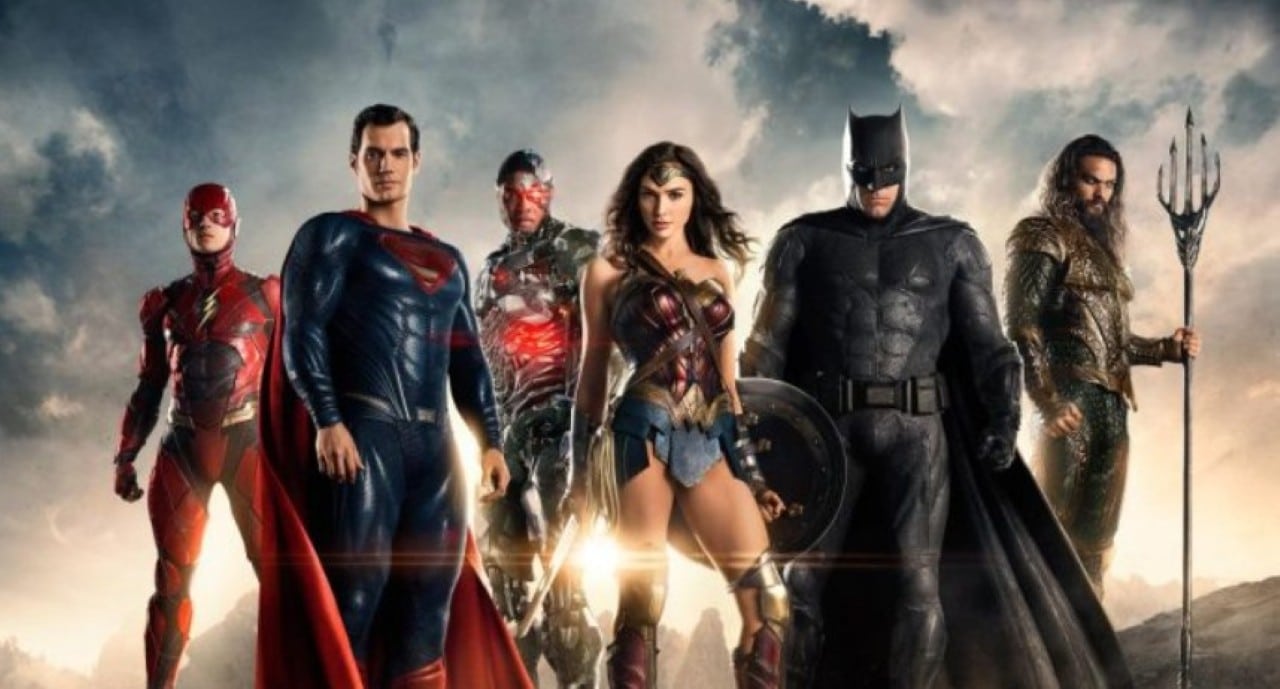
Indonesian broadcaster Trans TV has scheduled the screening of the feature film Liga by Justiça for this Friday night, March 20th, within the traditional Bioskop session. The free-to-air broadcast aims to reach a wide audience of pop culture fans and action movie enthusiasts. Prime time was strategically chosen to maximize viewership over the weekend.
The film brings together the main characters from the universe of the publisher DC Comics in a narrative of alliance against an extraterrestrial threat. Airing on open television provides free access to one of the biggest productions in the superhero genre of the last decade. The broadcaster’s strategy reinforces the continued popularity of these franchises in the Asian and global market.

The special TV movie session begins promptly at 8:30pm Jacarta local time, offering a high-budget entertainment option for home audiences. The broadcast dubbed and adapted for television meets the network’s rating standards. The initiative is part of a package of acquisitions of broadcasting rights from major Hollywood studios.
Central plot and team formation
The main plot develops shortly after the events that culminated in the death of Superman, leaving the planet Terra vulnerable to alien invasions. Bruce Wayne, operating as Batman, and Diana Prince, the Mulher-Wonder, take on the responsibility of recruiting individuals with extraordinary abilities to form a global line of defense. The antagonist of the narrative is Steppenwolf, a military commander from the planet Apokolips who arrives on Terra with his army from Parademônios. The villain’s objective is to locate and unify three ancient artifacts known as Caixas Maternas, which have enough energy to terraform the planet and destroy humanity.
The recruitment process faces initial resistance, as new members have personal conflicts and are reluctant to assume the role of public protectors. Arthur Curry, Aquaman, prefers isolation in the oceans, while Barry Allen, Flash, deals with inexperience in real combat and the quest to prove his father’s innocence. Victor Stone, or Ciborgue, struggles to accept his new cybernetic condition after a near-fatal accident. The dynamics between these disparate characters dictate the pace of the film’s second act, requiring them to overcome their individual differences to work as a cohesive tactical unit before the enemy army achieves absolute power.
Main cast and characterization of heroes
Ben Affleck reprises his role as Gotham City’s vigilante, presenting a more experienced and tactical version of the character, focused on leadership and military strategy. Gal Gadot returns as the Amazon warrior, serving as the group’s moral compass and main hand-to-hand combat force alongside the billionaire.
Jason Momoa introduces a more rustic and imposing approach to the king of Atlântida, altering the classic perception of the character in the comics. The actor’s casting brought a different physicality to the underwater and land scenes, laying the groundwork for the success of his later solo film.
Ezra Seus visual effects involve the representation of Força by Aceleração through blue rays and temporal distortions during action sequences.
Ray Fisher plays the cybernetic hero, whose body has been rebuilt with alien technology, making him essential for interfacing with enemy computers. The character’s arc involves the discovery of his own technological capabilities and the acceptance of his new physical form in society.
Behind the scenes of production and changes in direction
The film’s development was marked by a significant behind-the-scenes transition, initiated under the command of director Zack Snyder. Durante the post-production phase, Snyder had to leave the project due to serious family issues, leaving the film incomplete. Warner Bros hired Joss Whedon to complete the work and conduct extensive reshoots.
The arrival of the new director resulted in substantial changes to the tone of the narrative, the color palette and the original soundtrack. The studio demanded that the final runtime not exceed the two-hour mark, which led to the cutting of several subplots and the in-depth development of secondary characters.
These changes generated intense debates in the film industry about the author’s vision versus the commercial demands of the major studios. The version shown in theaters and now on television reflects this fusion of two distinct directorial styles, mixing the original dark aesthetic with lighter dialogue inserted later.
Commercial performance and audience response
The release at the global box office in 2017 raised significant amounts, but was below the financial projections established by studio executives, considering the high production and marketing costs. Reception from specialized critics was mixed, pointing out inconsistencies in the script and visual effects, especially in the rendering of the main antagonist.
Despite critical reservations, the film has maintained a solid base of pop culture fans who value the first live-action reunion of this classic team. The physical media market and television broadcasting rights helped to monetize the work over the years following its original release.
The importance of viewing on open television channels
The inclusion of superhero blockbusters in the programming schedule of open television stations, such as Trans TV, plays a fundamental role in democratizing access to high-cost entertainment. Enquanto streaming services require monthly subscriptions and broadband internet connections, transmission via antenna reaches homes in more remote regions and in different income brackets. Esse business model benefits both television networks, which attract major advertisers due to the high ratings guaranteed by famous franchises, and film studios, which keep their intellectual properties relevant in the public’s mind. The dubbed screening in the local language also breaks down language barriers, allowing children and the elderly to follow the complex narrative without the need to read quick subtitles. Além In addition, the experience of watching a film by appointment creates a simultaneous social event, generating real-time discussions on social media and strengthening engagement around the broadcaster’s brand.
Legacy in the cinematic universe of heroes
The work served as a turning point for comic book adaptation strategies in cinema, forcing producers to reevaluate the interconnection of their films. The direct result was a shift in focus to more contained solo adventures with greater creative freedom for the filmmakers involved.
Characters introduced or expanded in this narrative gained space to develop their own mythologies in subsequent productions. The foundation established by the team’s interactions allowed the studio to explore different genres within the same shared universe.
Continuity of broadcasts from major studios
The continued acquisition of action and fantasy titles by television networks demonstrates the resilience of the traditional linear broadcast format. The programming of large-scale films on Friday nights consolidates the viewer’s habit of seeking cinematic entertainment in the comfort of their home environment.