
Unreleased update for Super Mario Bros. Wonder releases the use of amiibo and optimizes the system for Switch 2
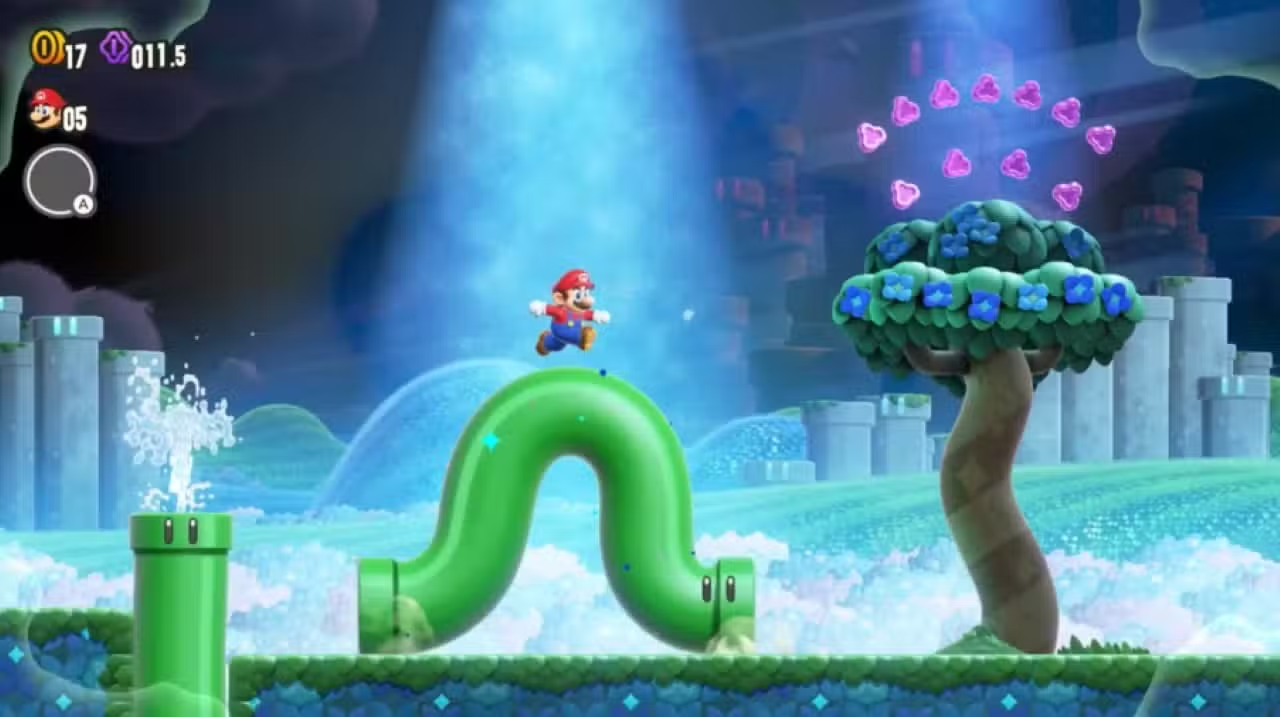
Japanese developer Nintendo has released version 1.1.0 of the Super Mario Bros software. Wonder for all global users. The data package, released for download on the company’s official network, implements structural modifications to the platform game’s code. The main technical change involves preparing the system to operate on the manufacturer’s next-generation hardware.
In addition to adapting to new equipment, the update file introduces new mechanics requested by the player base since the official launch. The main gameplay addition is the activation of the proximity field communication reader for reading interactive figures during virtual exploration sessions.
The file package also modifies interface parameters and expands language accessibility options. Owners of the original title can now download additional data via an internet connection, guaranteeing immediate access to the functions implemented before the arrival of new physical products on the retail market.
Integration of interactive figures in platform phases
The amiibo reading functionality represents the most visible change to the software’s direct gameplay. Users now have the ability to stop progression at any stage of the game to access a new submenu dedicated to this hardware tool.
To activate the feature, the player needs to pause the action while exploring a course and select the specific scanning option on the screen. By bringing a compatible figure closer to the reading point on the control, the system processes the information and generates immediate responses within the virtual environment.
The implementation of this mechanic responds to a significant volume of requests registered in the developer’s communication channels. The initial lack of support for these peripherals raised questions, considering the franchise’s history of using collectibles to unlock specific advantages or items.
The data extracted from the interactive figures offers varied effects that help in the progression of the more complex phases. The company structured the code to recognize different product lines, although brand-specific items ensure exclusive, programmed interactions directly for this title.
Launch of new physical collectibles
The manufacturer’s distribution schedule establishes the arrival of three new interactive figures on the international retail market on March 26th. The unprecedented product line includes three-dimensional representations of the Elephant Mario, the duo Poplin & Prince Florian, and the set Captain Toad & Talking Flower. Esses items were manufactured with identification chips specifically programmed to interact with version 1.1.0 of the software, releasing content that cannot be accessed by other means within the game environment.
The hardware engineering of these new collectibles ensures bidirectional compatibility between different generations of the company’s consoles. Users who purchase the figures will be able to use them both on readers integrated into the controls of current equipment and on peripherals developed for the next generation system. Essa unified design strategy allows consumers to maintain the utility value of physical products regardless of when they decide to transition to the new electronic entertainment platform.
Technological transition to the company’s new console
The patch 1.1.0 architecture contains the protocols necessary for recognition of the optimized edit of Super Mario Bros. Wonder. The source code has been modified to allow the software to identify the processing environment in which it is running and adjust its graphics and performance parameters according to the capabilities of the superior hardware.
Consumers who choose to purchase the system update package will be able to start running the improved software from the end of March. The data transition has been structured to ensure full transfer of save files, preserving accumulated progress, collected coins and unlocked levels on the original version of the device.



Localization and market expansion strategy
The update file expands the game’s text database with the inclusion of the Polish language in all menus and dialogues. The complete translation of textual elements aims to facilitate understanding of the mechanics and narrative for consumers residing in Europa Central and Oriental.
The addition of new languages after commercial launch reflects a corporate policy of expanding the installed base in emerging markets. The developer has adopted this practice of continuous localization in its main big-budget projects, adapting products to regions with growth in the consumption of digital entertainment.
The localization process into Polish required the adaptation of specific terms from the franchise’s universe, maintaining coherence with previous translations of other titles from the same brand. The language change can be selected directly from the system options menu, without the need to restart the device or change the region of the user account.
UI optimization in home menu
The programming team implemented a subtle but significant change to the software’s initialization routine. After installing patch 1.1.0, the system displays the user profile selection screen immediately after clicking on the game icon in the device’s main menu.
Previously, profile selection only occurred on the internal save file selection screen, which generated additional navigation steps. The new interface structure speeds up the loading process and organizes the distribution of data on equipment shared by multiple residents of the same residence.
Software fixes and system stability
The data package distributed via the internet also carries a series of adjustments invisible to the end user, focused on frame rate stability and eliminating collision errors recorded in advanced phases. The code maintenance routine corrects minor memory processing errors that occur during rapid screen transitions, ensuring that the graphics engine operates at its maximum capacity without sudden interruptions or unexpected application crashes.
Continuity of support for original software
Maintaining technical support for the base version of Super Mario Bros. Wonder demonstrates the generation transition planning established by the manufacturer. Instead of isolating updates solely to new hardware, the company opted for a unified code architecture, where the same data package meets the needs of two distinct platforms simultaneously. Essa software engineering approach avoids fragmentation of the player base and ensures that a large proportion of current console owners continue to receive stability improvements and new features, such as the interactive picture reader, without the obligation to purchase new equipment immediately. The parallel upgrade strategy requires strict quality control to ensure that code additions do not overwhelm the older processor, maintaining mechanical feature parity while allowing the newer system to utilize the additional data to improve image resolution and virtual stage load times.
Maintenance of the product life cycle in the market
The continuous injection of content and technical adjustments prolongs the platform title’s commercial relevance in the global video games market. Distributing free data packages keeps active users engaged and attracts the attention of potential buyers who have been waiting for specific features to be implemented.
Aligning the software update schedule with the launch of physical products and new hardware creates an integrated consumer ecosystem. The developer establishes a business model where the base game functions as a platform in constant technical and accessibility evolution.
Veja Tambem em News (EN)

Research reveals that parents are unaware of how their children use artificial intelligence

Samsung releases new system update with new features for Galaxy Watch 4 users

Digital retail reduces the value of the Galaxy S25 5G smartphone with bank bonuses and device exchange

Amazon’s wireless CarPlay adapter has a 50% discount and high approval ratings from drivers

Zach Cregger’s new Resident Evil ignores games and focuses on an unprecedented story with new characters

Rumor suggests that Nintendo is preparing a special edition of the Switch 2 with a remake of Ocarina of Time

Apple accelerates production of the iPhone 17e and develops new Air model with dual camera system

Epic Games platform releases twelve high-budget games at no permanent cost for PC users

PlayStation 5 Pro price drop accelerates digital retail sales and eliminates global stocks

New Galaxy Watch 9 firmware appears on server and confirms progress in software development

Apple’s commemorative project tests cell phone with 1.1 millimeter edge and curved screen for 2027
