
Capcom plans release of Resident Evil 9 and 10 alongside new remakes of the horror franchise

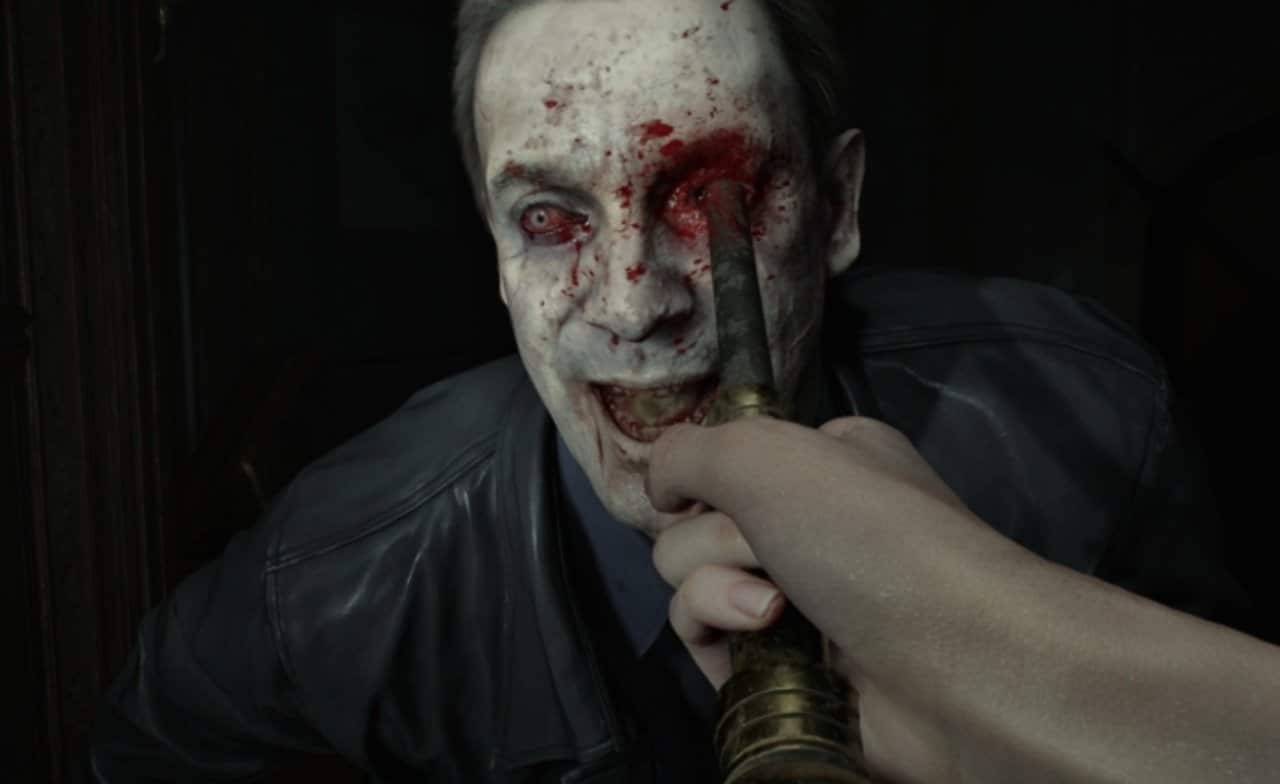
Japanese developer Capcom has structured a new long-term calendar for its main intellectual property focused on the survival and horror genre. The corporation’s internal planning encompasses the development of new mainline titles, in addition to continuing to produce recreated versions of classic games that established the company’s foundations in past generations of consoles. The core strategy aims to organize the studios’ workflow for the next decade of operations.
Market information indicates that the corporate tactic aims to maintain the brand’s relevance uninterruptedly over the next few years. The schedule establishes periodic releases to avoid prolonged gaps without news for consumers and investors in the digital entertainment sector. The company’s portfolio management understands that regular delivery of high-budget products is essential to sustain global public engagement and ensure the stability of shares on the stock exchange.
The expansion project directly encompasses the production of the ninth and tenth canonical chapters of the electronic game series. Simultaneamente, different teams within the company’s headquarters take on the responsibility of modernizing old works, adapting obsolete game mechanics and low-resolution graphics to current generation advanced processing hardware. The division of tasks allows the company to act on multiple commercial fronts without overloading a single development center.
Development structure of new chapters
The production of the next numbered games requires a complex restructuring of the Asian company’s creative direction and software engineering teams. The ninth title in the franchise is in an advanced stage of creation, with a focus on implementing gameplay innovations and significantly expanding the explorable scenarios. Reports indicate that the team is looking to integrate more open progression systems, changing the series’ traditional linear formula.
The tenth game, in turn, has a release window projected for the end of the current decade, marking a point of technological and narrative transition for the intellectual property. The company divides its human and financial resources with extreme precision to ensure that both projects progress in accordance with development milestones, without compromising the technical quality required by the high-end consumer market.
Separation of tasks allows different internal studios to work in parallel and independently. Enquanto a group of programmers and artists finalizes the polishing details of the next immediate release, another group of directors already establishes the structural foundations, the preliminary script and the concept tests of the title that will hit the shelves and digital stores only years later.
Graphics engine and technology updates
The technological basis to support new horror productions lies in the continuous updating of the developer’s proprietary graphics engine. The software creation tool undergoes rigorous optimizations to support larger virtual environments and improved artificial intelligence systems for enemies, essential elements for the modern design of future titles. Systems engineering focuses on delivering ultra-high-resolution textures, realistic physics simulation and dynamic lighting, features that increase visual immersion without compromising frame rate and overall performance on high-end desktop consoles and computers.
In addition to purely visual and aesthetic improvements, the studios’ technical infrastructure receives profound adaptations to facilitate the daily workflow of programmers, animators and digital artists. The standardization of the graphics engine in all of the company’s projects drastically reduces the development time between one game and another, allowing the company to meet the strict deadlines established in the commercial calendar. Essa Technological efficiency is a determining factor for the economic viability of the plan to maintain multiple large-scale projects in progress simultaneously within the same intellectual property.
Recreation of classic works from the catalog
The company’s strategic planning maintains a department dedicated exclusively to modernizing old titles that defined the survival horror genre. The practice of recreating games from the past has proven to be a highly profitable and commercially safe business model for the developer over the past fiscal years.
Works originally launched at the beginning of the 2000s receive absolute priority in this new production cycle approved by the board. The technical intention is to update dated controls, eliminate fixed camera angles and implement the third-person over-the-shoulder perspective, adapting the experience to current consumption patterns.
The reconstruction of these industry classics is not just limited to the visual and user interface aspects. The company’s writers revise old dialogue, tweak plot holes, and expand the original narrative to more coherently connect past events with the complex chronology of more recent mainline games.
One of the recreation projects is expected to reach the physical retail market and digital distribution platforms within an estimated period of three years. The company allocates specific marketing and development budgets to ensure that these modernized versions feature the same level of technical polish as completely new titles.
Expansion of intellectual property
The brand’s strength goes beyond the limits of interactive software, strategically extending to audiovisual productions and licensing of consumer products. Intellectual property management actively works with film studios to approve adaptations in computer graphic animation format and productions in series format with real actors.
The continued presence on video streaming services and television channels reinforces the recognition of the franchise’s name among the general public who do not regularly consume electronic games. Essa transmedia strategy generates substantial additional revenue streams and attracts new consumers to source material on consoles.
Commercial management and global licensing
The developer’s commercial department establishes long-term partnerships with manufacturers of collectible items, clothing lines and printed publications on several continents. Strict licensing ensures that the visual identity of the protagonists and creatures remains standardized and faithful in all official products available in retail chains.
The global distribution of these licensed items closely follows the release calendar of the main games. The synergy between the company’s different sectors creates unified marketing campaigns, maximizing brand exposure during periods of greatest commercial activity and boosting joint sales.
Long-term financial sustainability
Maintaining a digital entertainment franchise at the top of the market for more than three decades requires extremely cautious financial planning and the ability to quickly adapt to changes in technology consumption trends. The developer structures its capital investments in such a way as to dilute the commercial risks associated with the production of high-budget games, strategically alternating between launches of new titles, which require more time for research and development of mechanics, and recreations of classics, which already have an established loyal consumer audience and slightly lower marketing costs due to the nostalgia factor. The predictability of revenue generated by this product alternation model allows the company to finance research into new graphics technologies and the hiring of talent specialized in software engineering, ensuring the operational stability of all its studios around the world. The long-term corporate strategy also includes the analysis of international exchange rate fluctuations and the logistical costs of global distribution of physical media, macroeconomic factors that directly influence the net profit margin of the company’s operations in the competitive technology and interactive entertainment sector.
Positioning in the entertainment market
Rigorous execution of this extensive development schedule cements the Japanese company’s position as one of the world’s leading and most trusted entertainment software providers. The proven ability to consistently deliver high-quality technical products meets stringent shareholder expectations and ensures continued consumer loyalty in the competitive global electronic games market.



