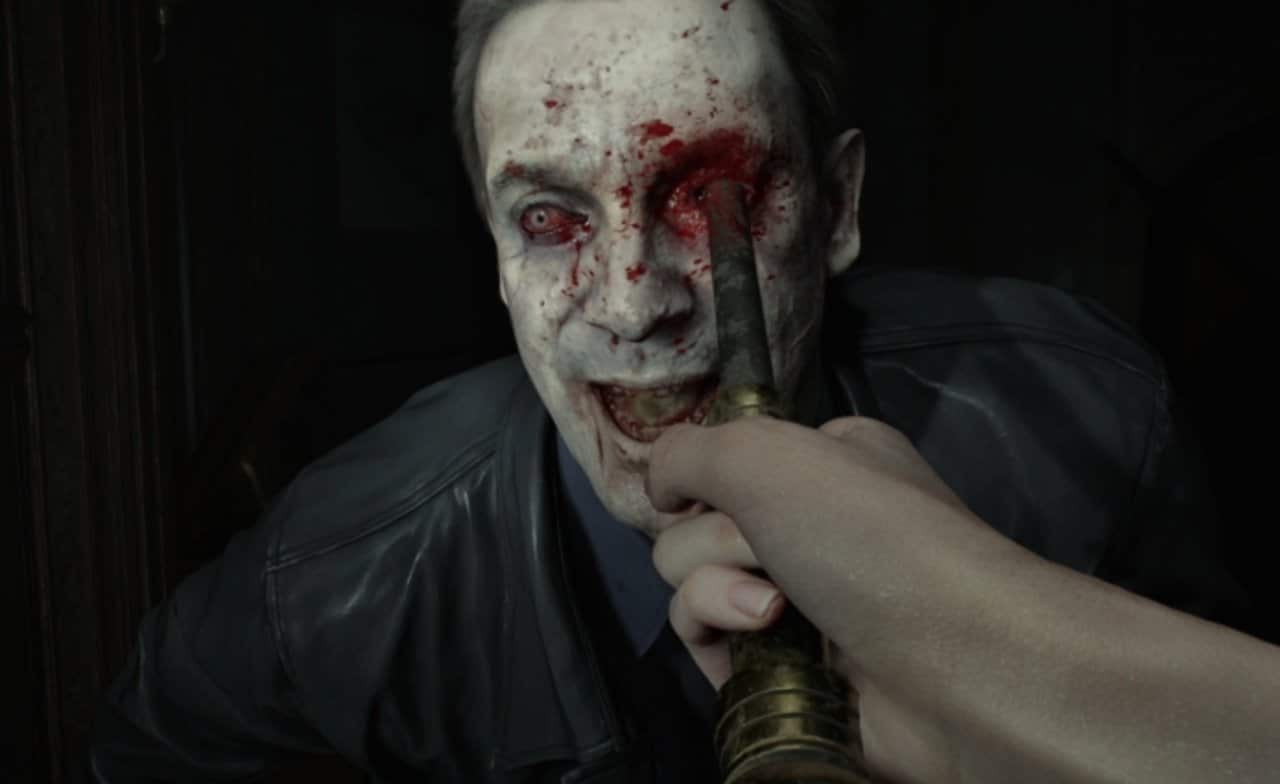
The Japanese producer responsible for one of the biggest survival horror franchises in the video game market has established a robust schedule for the coming years. The company’s internal planning aims to ensure the continuity of the main series, while meeting long-standing fan requests for updates to classic titles. Documentos and market movements indicate that the development of multiple projects occurs simultaneously, with the aim of keeping the brand in constant evidence. The strategy involves modernizing game systems and expanding the narrative universe for the new generation of consoles and computers.
Long-term planning for the franchise
Over the past decade, the series has undergone significant restructuring that has revitalized its commercial and critical appeal. The adoption of a first-person perspective in recent titles and the recreation of games from the first PlayStation era have brought in a new audience, in addition to reviving veteran players. Agora, the board focuses on a launch cycle that avoids large time gaps between products, ensuring constant revenue and the loyalty of the consumer base in a highly competitive market.
Company executives structured parallel development teams to deal with high demand. Essa division of tasks allows one studio to finish polishing a game while another begins the pre-production phase of the next project, creating an efficient assembly line for digital entertainment.
The business model adopted reflects a change in the way large corporations operate in the current scenario. Instead of concentrating all resources on a single massive release every five years, the company chooses to intersperse new numerical titles with recreations of works from the past. Essa tactic mitigates the financial risks inherent in developing high-budget games, which currently require hundreds of millions of dollars and teams made up of thousands of professionals. Além Furthermore, the reuse of graphics engines and creation tools optimizes work time, allowing software engineers to focus on innovating gameplay mechanics instead of rebuilding basic systems from scratch with each new production cycle.
Technological innovations in the ninth chapter
The next new mainline title promises to change the linear structure traditionally associated with the brand. Informações behind-the-scenes footage points to the implementation of an open world design, offering players unprecedented freedom of exploration in the history of the series, moving away from the claustrophobic corridors of the past.
To make this transition possible, developers are using technologies tested in other recent action RPGs from the same producer. The proprietary graphics engine has received substantial updates to render large expanses of terrain without the need for frequent loading screens, while maintaining the visual fidelity required by the genre.
Return to classics with new remakes
Parallel to the advancement of the main chronology, the company authorized the recreation of two titles highly requested by the community. The game that chronicles the events before the incident at the original mansion and the adventure focused on the Ashford family are in active development at Asian studios.
Modernizing these works involves more than just high-definition visual improvements. Designers are revamping fixed camera controls, adopting the over-the-shoulder third-person perspective that has become the industry standard for contemporary action and horror games.
The original script is also undergoing revisions to ensure greater cohesion with the events of the most recent games. Diálogos are rewritten and cut scenes receive new art direction, using motion capture with real actors to give greater dramatic weight to the interactions between the protagonists and antagonists.
The expectation is that these releases will fill the company’s calendar in years in which there is no new numerical title. Essa cadence maintains public engagement and sustains the value of the company’s shares on international stock exchanges, demonstrating stability for shareholders.
The planned milestone for the end of the decade
The strategic planning extends until 2029, the date set for the arrival of the tenth chapter of the franchise. Este project is treated internally as the conclusion of a narrative arc that began more than thirty years ago, promising to tie up loose ends and offer an outcome for iconic characters that have accompanied players since the nineties. The magnitude of this launch requires an extended production cycle, with the first drafts of script and character designs already in the approval phase. The board’s intention is to transform this game into a cultural event, overcoming the barriers of electronic entertainment and achieving the status of a global media phenomenon, with marketing campaigns that should rival the biggest releases in the film industry.
Evolution of the proprietary graphics engine
The technical basis for all these projects lies in the continuous evolution of the company’s graphics engine. The tool, initially created for horror games in confined environments, has been expanded to support complex physics simulations, scene destruction and global illumination in real time.
Software engineers work daily to optimize code, ensuring that games run smoothly on both next-generation consoles and high-performance computers. Technology scalability is a crucial factor for commercial success across different platforms.
Implementing advanced artificial intelligence into enemy behavior is another priority. Virtual opponents are being programmed to react dynamically to the player’s actions, creating unpredictable tense situations with each new game and increasing the replayability factor.
Expansion to multiple media platforms
The brand’s growth strategy is not just limited to consoles and computers. The producer intensified partnerships with streaming platforms and animation studios to produce films and series based on the game’s universe. Essas audiovisual productions serve as tools for acquiring new customers, presenting the mythology of the series to people who are not in the habit of consuming video games regularly.
The licensing of physical products, such as clothing, collectibles and printed publications, makes up an important share of annual revenue. Strict intellectual property management ensures that all derivative products maintain a quality standard consistent with the games, avoiding brand dilution in the global retail market.
Sound immersion and accessibility features
Audio design has received special attention from development teams. The use of three-dimensional spatial sound technologies allows players to identify the exact location of threats just by the noises in the environment, increasing the level of tension during exploration.
In addition to immersion, the producer has implemented broad accessibility options in its recent titles. Filtros for color blindness, dynamic difficulty adjustments, and assisted navigation options ensure that a more diverse audience can enjoy narratives without motor or visual barriers.
Team management and workflow
Maintaining this accelerated pace of production requires highly efficient human resources management. The company has invested in hiring new talent and expanding its physical offices to accommodate the growing number of employees dedicated exclusively to maintaining the horror franchise.
In-house training programs ensure that new programmers and artists quickly assimilate into company culture and master proprietary tools. The retention of experienced professionals is treated as a top priority to avoid delays in established schedules and guarantee the delivery of products on the dates announced to the market.
