
Dolphins and orcas cross the evolutionary point of no return and can no longer live on dry land


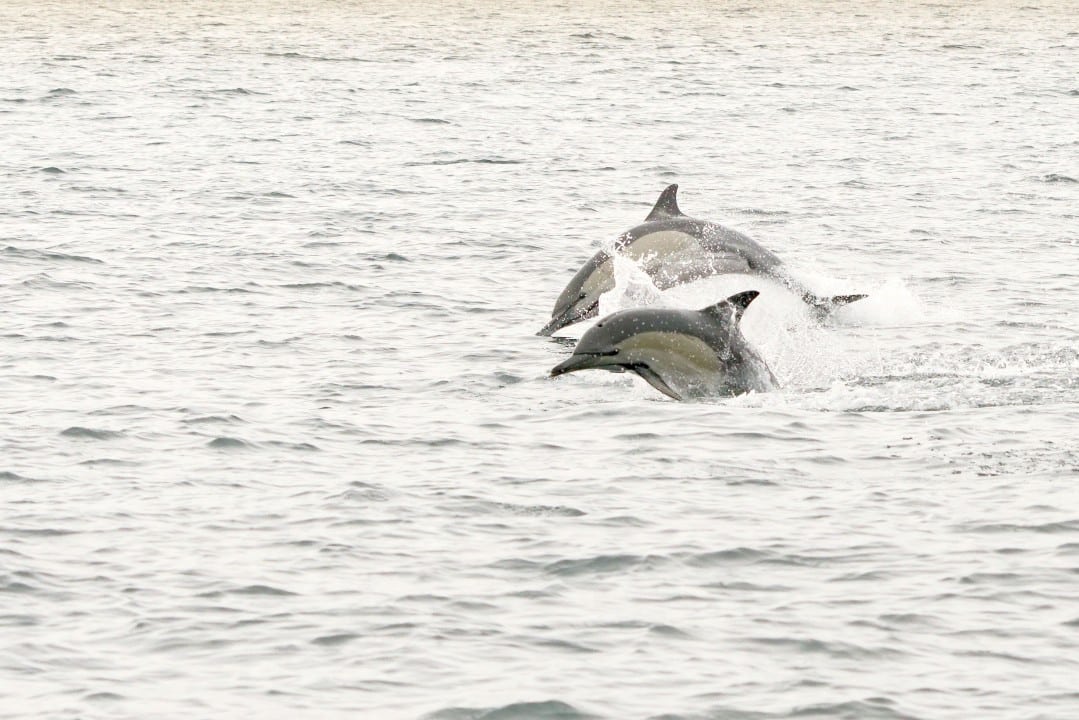
Scientists have identified that dolphins and orcas, as well as other fully aquatic cetaceans, have reached such an advanced stage of specialization in marine life that the adaptations have become irreversible. One study analyzed living mammals and concluded that the complete transition to the aquatic environment closes evolutionary pathways back to land. Essa conclusion arises from a broad analysis of reversibility in different degrees of adaptation to water.
The researchers examined patterns in terrestrial, semi-aquatic and fully aquatic species. Linhagens with total dependence on the sea exhibit cumulative changes that prevent reversal. Golfinhos and orcas exemplify this process, as their bodies have reshaped themselves around the specific demands of ocean life.
The research considered factors such as body size, diet and locomotion. Mamíferos that live entirely in water have greater relative mass and a preference for carnivorous diets, which favors thermoregulation and energy expenditure in swimming and diving.
Adaptations that seal evolutionary fate
Dolphins and orcas lost structures that allowed efficient locomotion on land. Nadadeiras replaced limbs, and the skeleton adapted to the buoyancy of the water.
Changes in heat conservation and food reinforce the commitment to the ocean. Natural selection has improved useful traits at sea, making terrestrial traits obsolete.
These transformations follow patterns observed in Lei of Dollo, which describes the difficulty of reversing complex traits lost throughout evolution.
Difference between semi-aquatic and fully aquatic
Semi-aquatic mammals maintain the flexibility to switch between water and land. Lontras and hippos preserve terrestrial capabilities that allow movement outside of water.
Cetaceans like dolphins and orcas do not retain these options. Sua anatomy prioritizes efficiency in the permanent marine environment.
The distinction highlights that not all adaptation to water leads to irreversibility. Apenas total dependence drastically alters future evolutionary possibilities.
Biological factors that prevent return
Water conducts heat faster than air, favoring larger bodies for thermal retention. Essa advantage explains the increase in size in cetaceans.
Predatory diets meet the high energy demands of continuous swimming and deep diving. Essas choices integrate and reinforce each other.
A return to land would require coordinated reversals in multiple systems, which evolution does not favor when the current niche offers reproductive success.
Evolution with no setback expected
Natural selection operates on immediate advantages. Once marine specialization is established, selective pressures continue to refine aquatic traits.
Dolphins and orcas descend from land-dwelling ancestors that entered the water millions of years ago. The process occurred in gradual stages.
After achieving full aquatic adaptation, the way back becomes unlikely under natural conditions.
Comparison with historical transitions
Ancestors of tetrapods came to land from the water hundreds of millions of years ago. Mudanças allowed weight bearing and air breathing.
Cetaceans reversed the process, but with greater depth of commitment. The body was organized around buoyancy and not terrestrial gravity.
This asymmetry explains why complete returns are rare in the evolutionary history of mammals.
Implications for fully marine species
Dolphins and orcas depend exclusively on the ocean for survival. Encalhes demonstrate inability to move or sustain for a long time on land.
Irreversibility reinforces the need to protect marine habitats. Qualquer threat to the ocean directly affects these populations without evolutionary alternatives.
The pattern identified in the study applies to cetaceans in general, confirming the profound biological commitment to aquatic life.



