
Hakuba in Japan creates rules with high fines against excess foreign tourists in 2026

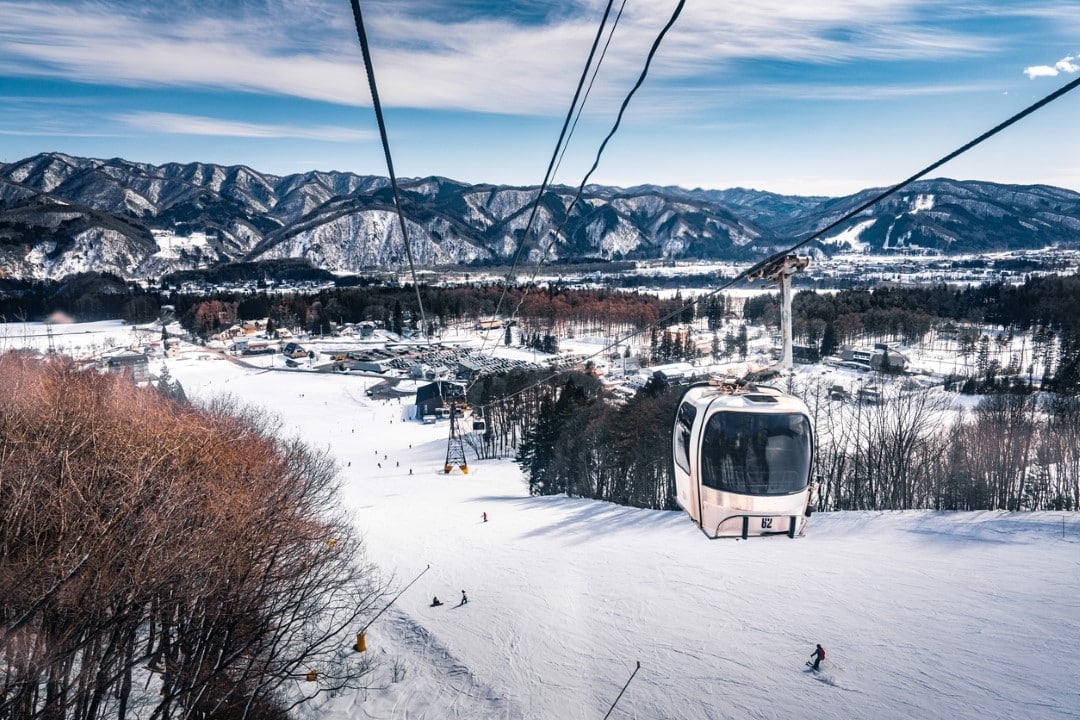
Vale of The village, made up of ten ski resorts, registered 1,064,000 skiers last year, a number lower than the historic peak of 2,785,000 in 1992, but with a different composition: the current majority are international tourists, different from the Japanese predominance in the 1990s. Mayor nighttime hours or set off fireworks, effective July 1, 2026.
The measure updates a 2015 ordinance that prohibited such conduct, but without providing for financial penalties, which limited its effectiveness. Comerciantes locals pressed for stricter action in the face of frequent reports of drunk tourists and rowdies, especially in the Echoland area, in the Happo-one district, where bars and pubs are concentrated. Police may issue fines when offenders ignore official orders to cease behavior.
Measures against unwanted behavior
The new rules cover eight specific categories of violations. Incluem graffiti, excessive noise at night, fireworks and smoking while walking.
The stated aim is to preserve the peaceful environment and comfort of both residents and visitors. The village seeks to balance economic growth driven by tourism with maintaining local quality of life.
Mayor’s view on tourism
Toshiro Maruyama recognizes the economic benefits brought by tourists. Ele highlights that the influx supports businesses and jobs in the region.
At the same time, the mayor points out the need for measures to deal with negative impacts. Ele mentions that the national government provides little support to overburdened areas like Hakuba.
Position of the hotel and restaurant sector
Marcus Bauder, CEO of Hakuba Hospitality Group, which manages hotels, restaurants and vacation rentals, believes the problems are exaggerated. Ele compares the nightlife of Hakuba with what occurs in other global tourist destinations.
Bauder argues that this is not widespread overtourism. The village is only crowded during peak periods, such as Natal and Ano Novo, and efforts aim to attract visitors at other times of the year.
Impacts on prices and infrastructure
Property prices have risen significantly since the pandemic, with some land appreciating up to 130%. Restaurantes adopted the Western habit of dining out, increasing demand and costs.
A bowl of ramen at 1,300 yen seems affordable for tourists due to the depreciation of the yen, but represents a high value for locals. Supermercados and public buses experience greater crowding and noise during the winter season.
Historical context and post-bubble recovery
Hakuba hosted events from Jogos Olímpicos to Inverno to Nagano in 1998, which boosted construction and connection via bullet train, reducing the time of Após the economic bubble burst in the 1990s, prices plummeted and many accommodations faced financial difficulties.
Currently, the sector benefits from real estate appreciation. Recent Compras include hotels and condominiums for values much higher than pre-pandemic ones, with participation from both foreign and Japanese investors.
Differences from other destinations
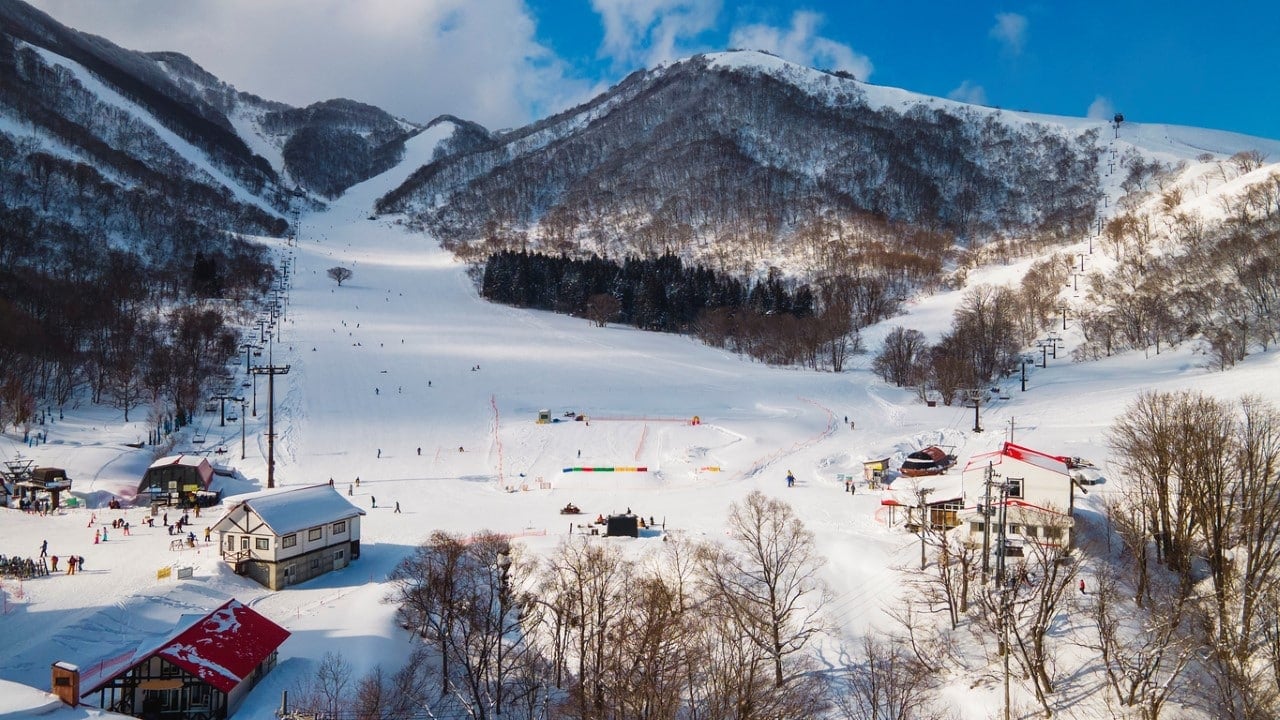
Hakuba maintains traditional Japanese characteristics while offering a more Westernized atmosphere, especially in Happo-one, home to Olympic competitions. Turistas highlight the intense nightlife, different from quieter resorts.
Queues for cable cars are rare and slopes are often empty compared to European or North American stations. However, the continued increase in international visitors indicates that the village will become more crowded in the coming years.
National challenges with tourism
Japão welcomed 42.6 million foreign tourists last year, spending 9.5 trillion yen. The government has set a target of 60 million by 2030.
Other localities face similar issues. Medidas such as lodging taxes are discussed in Hakuba to fund overburdened public services such as road maintenance and transportation.
Balance between economy and preservation
Maruyama advocates the dispersion of tourists to less visited regions. Especialistas in tourism reinforce the importance of promoting alternative destinations to alleviate pressure on the most popular ones.
The village does not have entry control mechanisms. The actions focus on rules of conduct to ensure harmonious coexistence.



