
Launch of Crimson Desert on PS5 reaches an 80 rating and divides opinions on game mechanics

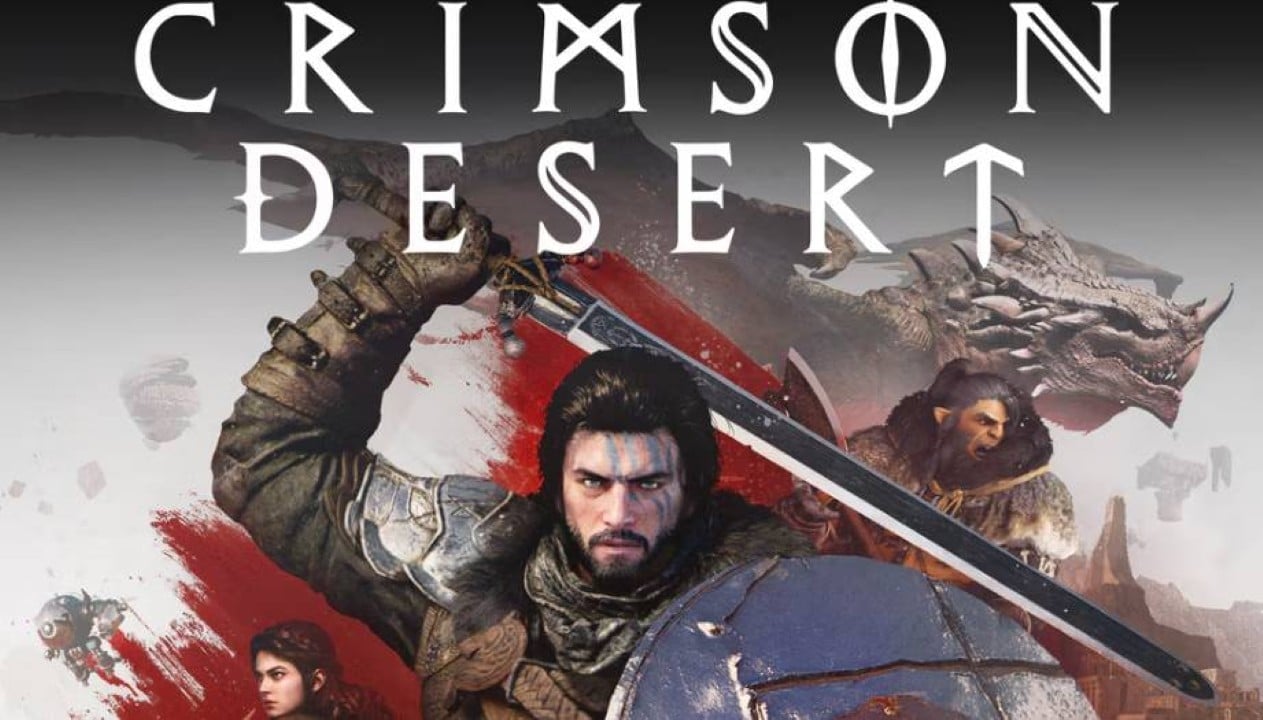
The long-awaited open-world title On the OpenCritic rating aggregator, the game stabilized its average between 79 and 80 points, a number that reflects the complexity and division of opinions about the work.
Initial evaluation data shows that approximately 80% of critics recommend the experience, despite the reservations highlighted in several analyses. The score achieved generated immediate debates on forums and player networks, mainly because the title was considered one of the main releases of the year. The discrepancy between the expectations built over the years and the final grade highlights the challenges of delivering a project of massive proportions and high technical ambitions.

The developer’s proposal was to create a universe that mixes traditional elements of medieval fantasy with touches of steampunk and science fiction. Essa mixing of genres resulted in a dense final product, which requires considerable dedication on the part of users to be fully understood and explored. The first weeks of launch have been marked by constant updates to adjust balance and fix technical issues reported by the user base on new generation consoles.
Map dimensions and exploration activities
The main highlight highlighted by the vast majority of reviews is the monumental scale of the open world created by Pearl Abyss. Players are placed on a vast continent characterized by geographic diversity that includes expansive plains, snowy mountains, arid deserts, and highly detailed urban centers. The transition between these biomes occurs fluidly, with no apparent loading screens when crossing on foot or using land and air mounts.
The density of activities available on the map impresses analysts in the technology and entertainment sector. Além of the main campaign, the environment is filled with hundreds of side missions, dynamic events that occur randomly throughout the scenario, and environmental puzzles that require careful observation. Relatos of critics indicate that it is perfectly possible to accumulate more than 100 hours of gameplay just by exploring the initial and middle regions of the map.
Vertical exploration also received special attention in the set design. The protagonist has climbing and movement skills that allow him to access ancient ruins at the top of mountains or explore deep caves that hide rare equipment and optional bosses. Essa freedom of movement encourages the player to constantly deviate from their main objectives to investigate points of interest on the horizon.
However, the immensity of the scenario brings with it the challenge of the pace of progression. Alguns specialized vehicles have noted that the distance between mission sites can make trips long and require frequent use of fast travel systems. The studio tried to mitigate this factor by spreading enemy camps and item crafting resources along the longest paths, keeping the player busy along the way.
Combat systems and skill progression
Direct confrontation mechanics represent another fundamental pillar of the experience offered by the title. The combat system was designed to be dynamic and highly responsive, requiring quick reflexes and tactical planning on the part of the player. Diferente than traditional action games, enemies feature advanced artificial intelligence, flanking the main character and using the environment to their advantage. Boss encounters are described as the pinnacle of difficulty, featuring multiple phases and attack patterns that severely punish dodging or blocking errors. The variety of weapons available, ranging from heavy swords to long-range technological devices, allows each user to adapt the fighting style to their personal preferences and the specific weaknesses of each type of opponent encountered on the continent.
The skill tree and character progression follow the complexity of melee and ranged combat. Players need to manage different types of experience and resources collected in the world to unlock new moves and improve basic survival attributes. Essa Mechanical depth, while praised by veterans of the action RPG genre, was noted as a significant barrier to entry for less experienced players. The excess of tutorials in the first few hours and the constant need to manage inventory, paying attention to the weight of items and the durability of equipment, generate micromanagement that divides critical opinion. Para many analysts, this density of systems enriches the journey in the long term, while for others, it creates initial obstacles that hinder the fluidity of the gameplay.
Plot development and character construction
The main narrative is the aspect that attracts the most mixed reviews among gaming media experts. The story follows a group of mercenaries on a continent devastated by political conflicts and threats of unknown origin. Contudo, the script is often criticized for presenting an excessively slow initial pace, taking dozens of hours to establish the real motivations of the antagonists and the central purpose of the protagonist’s journey.
Narrative cohesion suffers from the open world structure adopted by the developer. The urgency of the events depicted in the main quests often conflicts with the freedom to spend virtual days doing side activities like resource management or hunting for smaller bounties. Essa characteristic, common in the genre, was highlighted as particularly evident in this release due to the gravity of the themes covered in the main story.
Despite reservations regarding the pace, the construction of the universe receives positive reviews. The documents found throughout the scenario, dialogues with non-playable characters and the architecture of the cities tell a rich story about the continent’s past. The studio invested in creating its own mythology that rewards players dedicated to investigating the details scattered throughout the game’s ruins and libraries.
Technical performance on new generation hardware
In the PlayStation 5 version, the title demonstrates the ability of the Pearl Abyss proprietary graphics engine to handle large-scale environments. The game offers options for prioritizing resolution or frame rate, with most reviewers recommending performance mode to handle the frenetic combat action. The visuals are particularly impressive in open, naturally lit settings, where dynamic weather effects drastically alter the visibility and atmosphere of the environment.
The release required immediate technical fixes from the development team. Early reviews reported frame rate drops in densely populated cities and minor collision issues when exploring rough terrain. The developer acted by releasing updates in the days following the March 19 launch to stabilize performance, optimize the use of the console’s SSD for faster loads, and fix the most critical issues that affected mission progress.
Public reception and debates in specialized forums
The game’s arrival on physical shelves and digital stores triggered a wave of intense discussions in the gaming community. On the one hand, a significant portion of the public defends the title as one of the most ambitious and complete works of the current generation of consoles, valuing the delivery of a massive content package on the first day of sales. Esses advocates argue that the OpenCritic score of 80 does not reflect the magnitude of the technical achievement of creating such a vast, interactive world without relying on excessive procedural generation to populate the map. On the other hand, harsher critics within the community point out that the excessive ambition resulted in a lack of polish in crucial gameplay systems. Frustration with the user interface full of information, the unbalanced difficulty spikes in certain campaign bosses and the story considered average are often cited as factors that prevent the game from reaching a higher level of evaluation. Esse clash of opinions keeps the title in the most talked about topics on social networks and technology forums weeks after its official debut on the global market.
Positioning in the high-budget games market
The launch represents an important financial and strategic milestone for Pearl Abyss, a studio that built its capital base with games focused on massive multiplayer. The transition to a single-player-focused experience with a heavy emphasis on cinematic action has required robust investments in proprietary technology and expansion of the development team over the past few years.
The commercial outcome of this project has direct implications for how the studio plans its next releases for the Western console market. The willingness to risk creating an intellectual property with such dense mechanics demonstrates a long-term strategy to establish the brand among the main producers of ultra-high-budget open-world adventures today.
Accessibility and adaptation of controls
A technical point frequently mentioned in the final analyzes concerns the learning curve of the controls on the PS5 controller. The number of possible actions requires button combinations that require muscle memory and adaptation on the part of the user. Recent Atualizações have included new button remapping options and trigger sensitivity adjustments, aiming to mitigate initial difficulty and make exploring the vast continent more accessible to a wider range of players on the console.



