
MIND diet delays brain aging by up to 2.5 years reveals MRI study

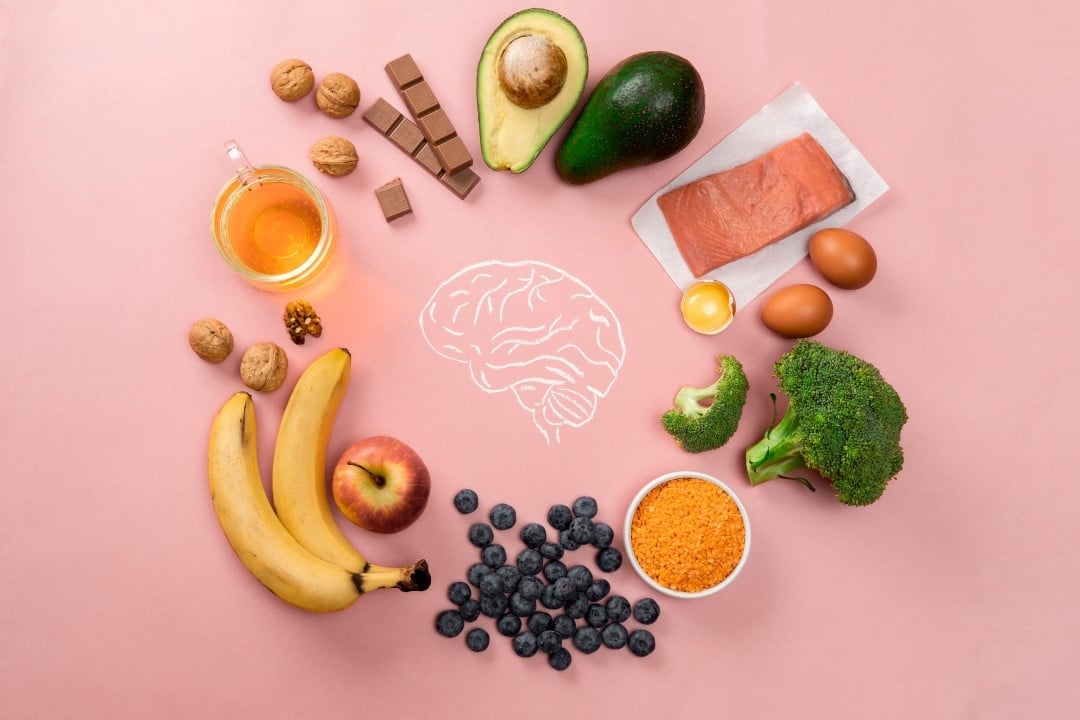
New research finds that strict adherence to the MIND diet may slow structural changes in the brain associated with aging. The study analyzed data from more than 1,600 adults with an average age of 60 with no early signs of dementia or stroke. Participants were followed for about 12 years, with regular dietary assessments and brain MRI scans.
The MIND diet combines Mediterranean and DASH principles, prioritizing plant-based foods. Ela emphasizes leafy vegetables, berries, legumes, fish, chicken, whole grains, nuts and olive oil. Alimentos such as red meat, butter, excess cheese and fried foods should be limited to maximize neuroprotective benefits.
The results indicate that higher scores in adherence to the MIND diet correlate with slower progression of brain atrophy. Pesquisadores observed a smaller reduction in gray matter and slower dilation of the cerebral ventricles, structures affected by normal aging and conditions such as Alzheimer.
Benefits seen in brain gray matter
Gray matter contains nerve cells essential for memory, thinking and decisions. Aqueles with greater adherence to the diet showed a slower decline in this region.
For every 3-point increase in the MIND diet score, gray matter loss decreased by about 20%. Isso is equivalent to an approximate delay of 2.5 years in brain aging during the follow-up period.
Previous studies have already associated the MIND and Mediterranean diets with better cognitive function and a lower risk of Alzheimer. The new findings reinforce these dietary patterns as evidence-based preventive strategies.
Impact on cerebral ventricles
The ventricles, spaces filled with cerebrospinal fluid, tend to enlarge with age-related brain atrophy. Accelerated dilation signals progression of cognitive decline.
Greater adherence to the MIND diet reduced ventricular enlargement by 8%. Esse effect corresponds to approximately a year of delay in the brain aging process.
These structural changes were measured by repeated MRI scans over the years. Participants completed multiple dietary questionnaires to calculate adherence scores.
Foods that most contributed to the effects
Red fruits and chicken stood out as key components. Red fruits, rich in antioxidants, delayed ventricular dilation.
The chicken provided quality protein and helped preserve both gray matter and ventricles. Esses foods are part of the general pattern of the MIND diet.
Excessive consumption of sweets and fried foods accelerated ventricular dilation and deterioration of the hippocampus, a region linked to memory. The complete dietary pattern matters more than isolated items.
Considerations about unexpected results
Greater cheese consumption was associated with some brain protection, but in limited quantities on the MIND diet. Especialistas warn against interpreting this as an incentive for high cheese consumption.
Whole grains have shown an unexpected association with greater gray matter reduction in some cases. Pesquisadores attribute this to older definitions of whole grains, which may not meet current quality standards.
The focus should remain on the entire diet, not on individual foods. Efeitos combined nutrients outperform isolated analyses.
Limitations of the observational study
The observational design does not establish direct causality. Fatores how general healthy lifestyle habits can influence results.
Reverse causality is also possible, where healthier brains lead to better food choices. Ainda thus, the plausibility of the diet’s benefits remains high.
Future research with controlled interventions may clarify causal relationships. Enquanto this, the MIND standard gains support as an affordable option for brain health.
The study was recently published in a specialized academic journal. Ele derives from Estudo from Coração from Framingham, a reference in cardiovascular risk factors since past decades.




