
Mosquito DNA reveals preference for human blood up to 2.9 million years ago in Southeast Asia

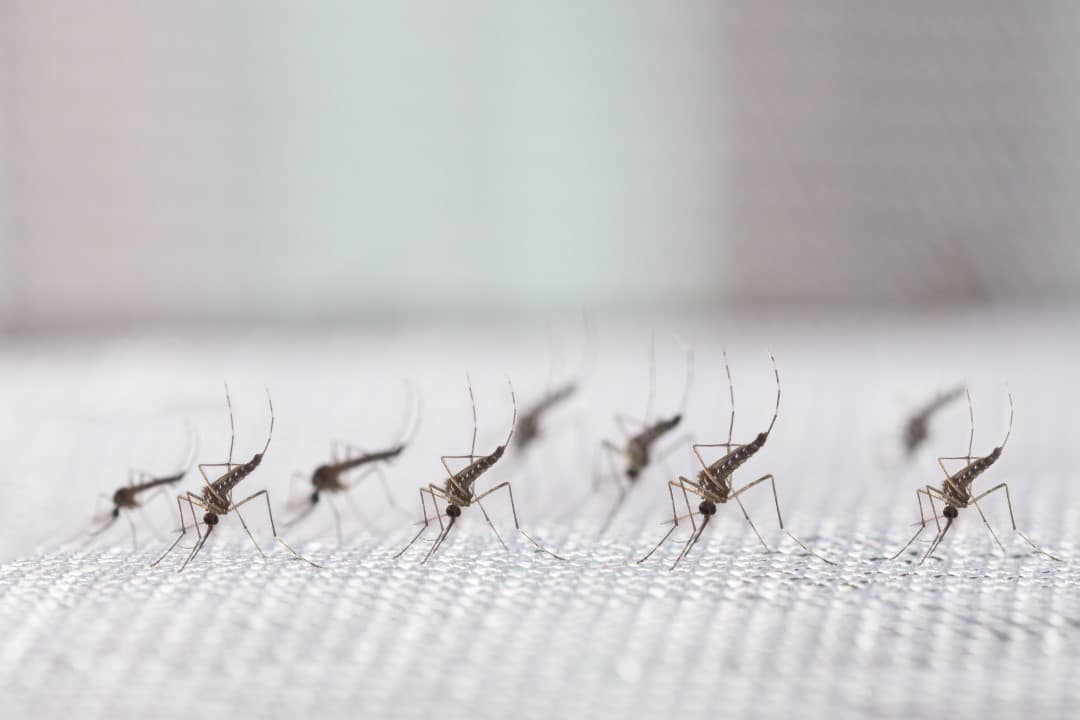
Researchers sequenced the DNA of mosquitoes from the Anopheles leucosphyrus group, collected in different locations of the Sudeste Asiático between 1992 and 2020. The analysis indicates that the preference for feeding on human blood evolved only once in this group, between 2.9 million and 1.6 million years ago. Essa change occurred in the region known as Sundaland, which encompassed Península Malaia, Bornéu, Sumatra and Java during periods of lower sea level.
This adaptation coincides with the arrival of ancient hominids, specifically Homo erectus, estimated to be around 1.8 million years ago. Antes of this transition, the ancestors of these mosquitoes fed mainly on non-human primates. The abundant presence of hominids in the tropical forest area would have driven natural selection for some species to develop attraction to human body odor.
The discovery offers a complementary perspective to the limited fossil records in the region. Condições drier and colder environments at the beginning of the Pleistoceno led to the fragmentation of tropical forests and the formation of corridors of seasonal forests and savannas. Esses changes facilitated hominin migration and created opportunities for mosquitoes to adapt to new hosts.
Research methodology involved advanced genetic sequencing
The team analyzed the genomic DNA of 38 mosquitoes representing 11 species from the Leucosphyrus group. The insects were obtained in the field, including larvae collected in forest water pools and adults captured in traps. Modelos computational and mutation rate estimates allowed us to reconstruct the phylogeny and estimate the timing of the evolution of anthropophilia.
The results highlight that species such as some of the Anopheles leucosphyrus are highly anthropophilic and efficient vectors of human malaria. Outras species from the same group maintain a preference for non-human primates and transmit simian malaria parasites. Essa variation reflects distinct evolutionary adaptations within the group.
The researchers observed behavioral differences during nighttime collections in the forest. Mosquitos that prefer humans approach observers more easily, while those that target monkeys require collecting larvae in specific habitats.
Environmental context influenced mosquito adaptation
Climate change in Pleistoceno Inicial contributed to the transition. The reduction of dense forests and the increase of open areas allowed hominins to settle in greater numbers. Mosquitos foresters faced the choice of maintaining primate hosts or exploiting the new abundant human resource.
Preference for humans requires genetic changes in olfactory receptors that detect body odors. Essa multiple evolution in genes suggests strong selective pressure in the presence of hominids in significant quantities. The adaptation precedes the arrival of anatomically modern humans in the region by millions of years, between 76,000 and 63,000 years ago.
Implications for malaria transmission and evolutionary studies
Anthropophilic species from the Leucosphyrus group are important vectors of human malaria in the Sudeste Asiático. Entender the origin of this preference helps to understand parasite transmission routes. The research reinforces the need to integrate vector genetic data with archaeological and human genomic evidence.
The study demonstrates the value of unconventional sources for reconstructing complex evolutionary histories. In humid tropical environments, where fossils degrade rapidly, DNA from associated organisms provides independent evidence. Essa approach can refine debates about dates of human colonization in island areas.
Field collection required prolonged effort in forests
Between collections, teams spent nights in the forest to capture adult mosquitoes and larvae. Espécies that avoid humans required specific strategies, such as searching aquatic breeding sites. Esses methods made it possible to compare feeding behaviors and obtain representative samples.
Integrating genetic data with ecological observations strengthens the conclusions. Human-biting mosquitoes show greater proximity in altered habitats, while preferences for primates persist in intact forests.
Limitations and future perspectives of the approach
Although the study provides robust evidence, the fragmented fossil record in the tropical region limits direct comparisons. Integração with human genomes and more mosquito sequencing can refine temporal estimates. Additional Pesquisas in other vector groups may reveal similar patterns on different continents.
The discovery highlights ancient interactions between hosts and vectors. Ela contributes to the understanding of how pathogens such as malaria have coevolved with humans since prehistoric periods.




