
Summer time transition rules in Europe affect millions of citizens and generate medical debates

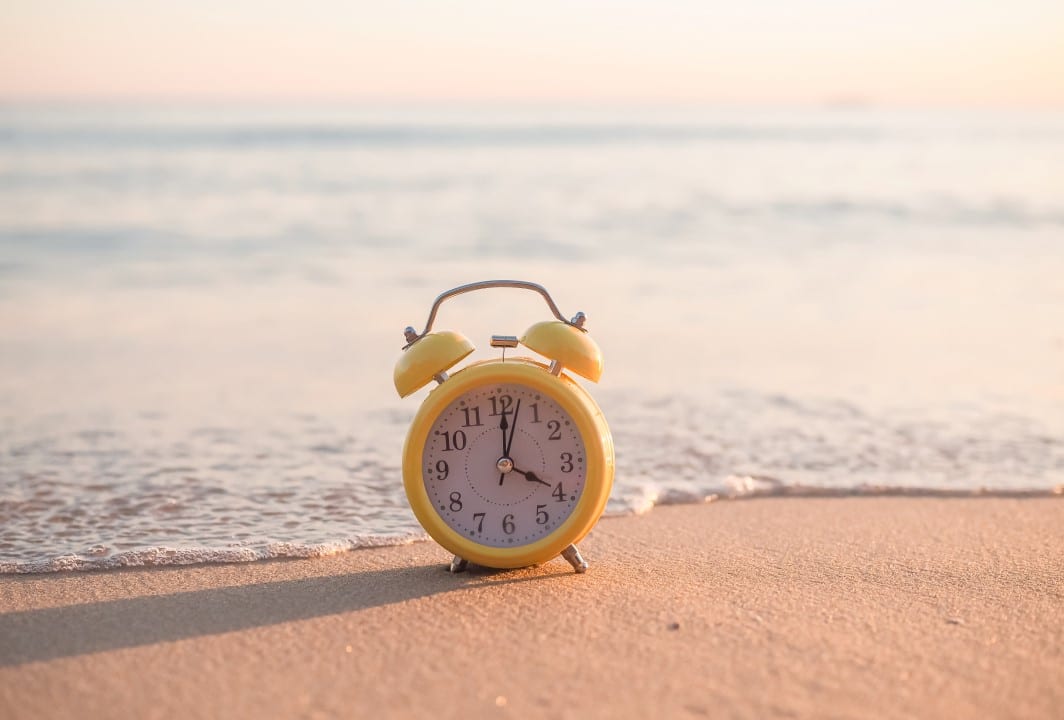
The population of the European continent is preparing for another cycle of adjusting their clocks, a practice that directly affects the routine of approximately 450 million citizens. The mechanism of advancing and delaying the hands, established to optimize the use of sunlight during the different seasons of the year, remains in full force in all countries in the bloc. The measure requires precise coordination to avoid collapses in essential systems, ranging from civil aviation to international financial operations and the transport of goods.
The adjustment occurs in a standardized and simultaneous manner in multiple time zones, ensuring that the internal market functions without abrupt interruptions. Quando the clocks are set forward by 60 minutes at the end of March, society loses an hour of sleep, but gains an extended period of daylight in the late afternoon. Já in the month of October, the process is reversed, returning the subtracted time and preparing the continent for the shorter and darker days characteristic of winter in the northern hemisphere.
Despite being a consolidated routine for decades, the procedure requires special attention from strategic sectors of the economy. Operadores of high-speed trains, air traffic controllers and electricity network managers implement contingency protocols months before the stipulated dates. The primary objective of infrastructure authorities is to ensure that the temporal transition does not result in miscommunications, accidents or significant delays in the complex global supply chain that crosses European borders every day.
Logistics and coordination on the European continent
The synchronization of this transnational event is a logistical challenge of continental proportions, requiring the digital systems of the entire European infrastructure to be updated in the exact millisecond. Airlines adjust their flight networks well in advance to prevent aircraft from landing or taking off outside the operating windows allowed at the busiest airports. Da Likewise, the freight and passenger rail transport sector needs to recalculate night routes, often holding trains at stations for an hour during the autumn adjustment, or speeding up logistics processes during the spring changeover to compensate for the suppressed time in the timetable.
In the financial and technological sphere, the change demands rigorous programming on the servers of banks and stock exchanges. The integrity of electronic transactions depends on absolute timestamps, which means that any failure to update systems’ internal clocks can result in contractual discrepancies and severe financial losses. Profissionais of information technology perform special shifts during the transition dawns, monitoring the change of operating systems and ensuring that devices connected to the internet, from smartphones to heavy industrial machinery, receive the correct signal from the atomic time servers without interruptions.
Historical origin and the global energy crisis
The adoption of different timetables dates back to the beginning of the twentieth century, with Império Alemão as a pioneer in implementing the measure during the period of global conflicts, with the strict objective of saving coal and directing energy resources to military industrial efforts. The practice was abandoned and resumed several times over the following decades, until it gained definitive strength and mass adoption in the 1970s, driven by the international oil shock. Naquela time, reducing electricity consumption in homes and factories became an absolute priority for Western nations, which sought to reduce dependence on imported fossil fuels. The premise was simple and mathematically logical for the technological scenario of the time: by moving an hour of sunlight to the end of the day, the activation of incandescent lamps would be postponed, resulting in a measurable drop in the peak demand of the electrical distribution networks in the early evening, relieving the pressure on the generating plants.
Questions about real energy savings
Currently, electrical engineers and researchers in the energy sector point out that the original justification has lost much of its technical validity. The large-scale replacement of old incandescent lamps with LED technology, which consumes a minimum fraction of electricity, has drastically changed the consumption profile of European homes and public roads.
Furthermore, the proliferation of air conditioning systems, such as air conditioning and smart electric heaters, has created new demand dynamics in distribution networks. Estudos recent studies indicate that energy savings generated by late lighting are often offset by increased use of cooling during warmer afternoons or heating in cooler mornings.
Biological effects and risks to the circadian rhythm
The medical community and sleep medicine experts have presented consistent data on the physiological impacts caused by abrupt changes in clocks. The human body operates based on a circadian rhythm, an internal biological clock regulated mainly by exposure to natural light in the environment.
The suppression of sixty minutes of rest, combined with the change in morning light, causes a state of acute sleep deprivation in a large part of the population. Estatísticas hospitals demonstrate a verifiable increase in admissions for cardiovascular events, such as myocardial infarctions, in the days immediately following the spring transition.
The consequences of this biological deregulation also extend to public safety and urban mobility in large cities. Relatórios of traffic authorities record spikes in car accidents on Monday mornings after the change, attributed to fatigue, decreased reflexes and inattention on the part of drivers.
Complete recovery of the body can take from a few days to weeks, depending on the age and pre-existing health conditions of each individual. Trabalhadores of night shifts, school-aged children and the elderly form the demographic groups most vulnerable to these sudden metabolic swings.
Political impasse between member states
The debate over maintaining or abolishing the system has reached the highest levels of continental administration in recent years. The European parliament even held significant votes supporting the end of the mandatory biannual change, based on extensive public consultations that demonstrated strong popular rejection of the practice of moving clocks forward and backward.
However, the practical implementation of the measure came up against the geographical complexity and sovereign autonomy of the nations involved in the bloc. Países located in the far north of the continent, which face harsh and dark winters, have drastically different light needs than those located in the sunny Mediterrâneo basin.
The lack of consensus on which time zone should be adopted permanently — summer or winter — paralyzed the legislative process. The fear of creating a temporal patchwork, with neighboring countries operating at different times and harming the single market and border trade, forced authorities to maintain the traditional transition schedule.
Medical protocols for physical adaptation
To mitigate the adverse effects of the transition, health professionals have developed preventive guidelines focused on the body’s gradual adaptation. The experts’ central recommendation involves progressively adjusting your sleep routine in the days leading up to the official date of changing the clocks.
Doctors suggest that citizens bring forward or delay bedtime in blocks of fifteen minutes daily over the course of a week. Essa technique allows the neurological system and natural melatonin production to adjust smoothly, avoiding the metabolic shock of a sixty-minute change in a single night’s rest.
Practical guidance for transition days
In addition to the gradual adjustment of sleep, health authorities have established a series of recommended behaviors to facilitate the synchronization of the biological clock during the weekend of the move. Measures include simple environmental and food control tactics:
– Evitar the consumption of drinks rich in caffeine, such as coffee, energy drinks and dark teas, in the hours before resting at night.
– Reduzir drastically reduces exposure to blue light emitted by smartphone, tablet and television screens at least one hour before bed, replacing the use of electronics with reading or relaxing activities.
– Buscar immediate exposure to natural sunlight shortly after waking up, opening windows and curtains, which signals the brain the beginning of a new daily cycle and helps with hormonal regulation.



