
The village of Hakuba prepares fines of up to 50 thousand yen to curb inappropriate behavior by foreign tourists

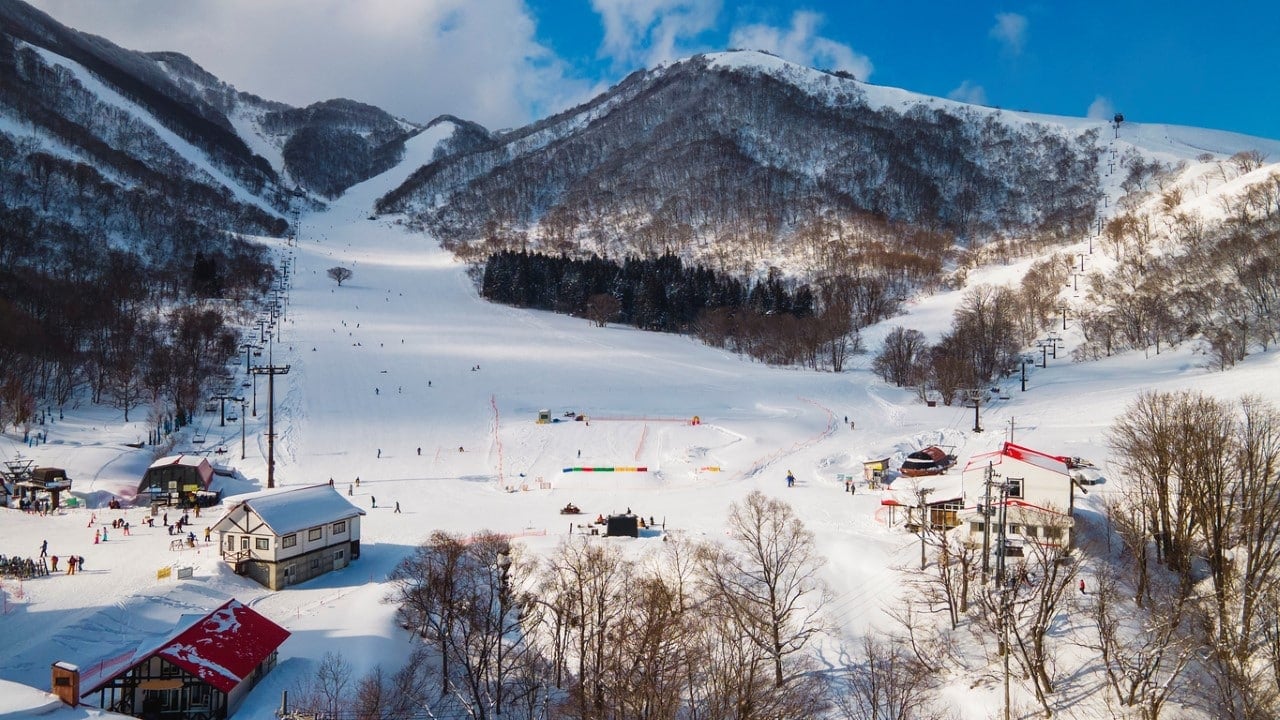
The village of Hakuba, in Japão, will introduce fines of up to 50 thousand yen for disruptive behavior by tourists from July 2026. The measure aims to respond to growing complaints from residents about nighttime noise, alcohol consumption on public roads and other acts considered inappropriate. Mayor Toshiro Maruyama announced the update of the local manners ordinance, which previously existed without effective penalties. Infractions include drinking while walking, disturbing the peace after a certain time and throwing fireworks.
The region attracts skiers from all over the world for its powder snow slopes and lively atmosphere. Dez ski resorts make up the valley, with emphasis on Happo-one, home to events from Jogos Olímpicos to Inverno to Nagano in 1998. May.
Local complaints increase with arrival of visitors
Residents report crowding in supermarkets, buses and restaurants during peak months. Nightlife in areas like Echoland accounts for most of the complaints, with reports of noisy, drunken groups on the streets. Comerciantes locals are pushing for firmer actions to preserve the village’s tranquility.
The mayor highlighted that a similar law has existed for a decade, but without fines, which limited its application. Agora, the police may apply penalties directly when there is a refusal to obey official orders. The intention is to ensure harmonious coexistence between residents and visitors.
Debate over the need for fines divides opinions
Businesspeople in the tourism sector question the seriousness of the problem. A local hotel group executive argues that lively bar scenes occur in every ski destination in the world. Ele considers the perception of lack of control to be exaggerated and warns that negative messages can drive away potential visitors.
The village records a significant increase in foreign tourists after the post-pandemic reopening. In 2025, the number of skiers reached about 1.064 million, although below the historic peak of 2.785 million in 1992, when almost all were Japanese. The change in the profile of visitors generates different impacts on prices and daily routine.
Economic and cost of living impacts
Food and accommodation prices have risen with the adoption of Western habits such as dining out. A bowl of ramen costing 1,300 yen seems affordable for foreigners due to the weak yen, but it’s a strain on locals’ budgets. Terrenos and properties have appreciated significantly since the pandemic period.
Some hotels and condominiums were purchased for values well above those practiced before 2020. The recent purchase of a property for 250 million yen exemplifies the appreciation, compared to less than 46 million yen in the pre-pandemic period. Proprietários locations also benefit from this increase in assets.
Balance between tourism and village preservation
Hakuba maintains Japanese cultural traits despite international influence. The European atmosphere on the slopes contrasts with preserved traditional elements. Visitantes highlight the nightlife as a differentiator in relation to other calmer resorts.
The mayor plans a lodging tax to pay for overburdened public services such as road maintenance and transportation. Críticos state that the fee may discourage visits in the low season. Especialistas suggest distribution of tourists to other less pressured regions of Japão.
Measures aim for sustainable coexistence
The updated ordinance lists specific categories of violations, with a focus on guidance before punishment. The village is part of national efforts to deal with the growth in foreign tourism, which reached 42.6 million visitors in Japão last year. The federal government targets 60 million by 2030.
Hakuba seeks to attract visitors year-round to balance the seasonal economy. The absence of entry barriers into the village makes it a greater challenge to control flows. Autoridades emphasize gratitude for the economic support of tourists, but reinforce the need for clear rules.
The region remains popular for constant snow and high mountains. Filas on ski lifts are rare, and many skiers find empty slopes. The projected increase in international visitors should intensify discussions about sustainable destination management.



