
TSA Airport Security: Private security at 20 US airports ensures fluidity and avoids long lines during government shutdown

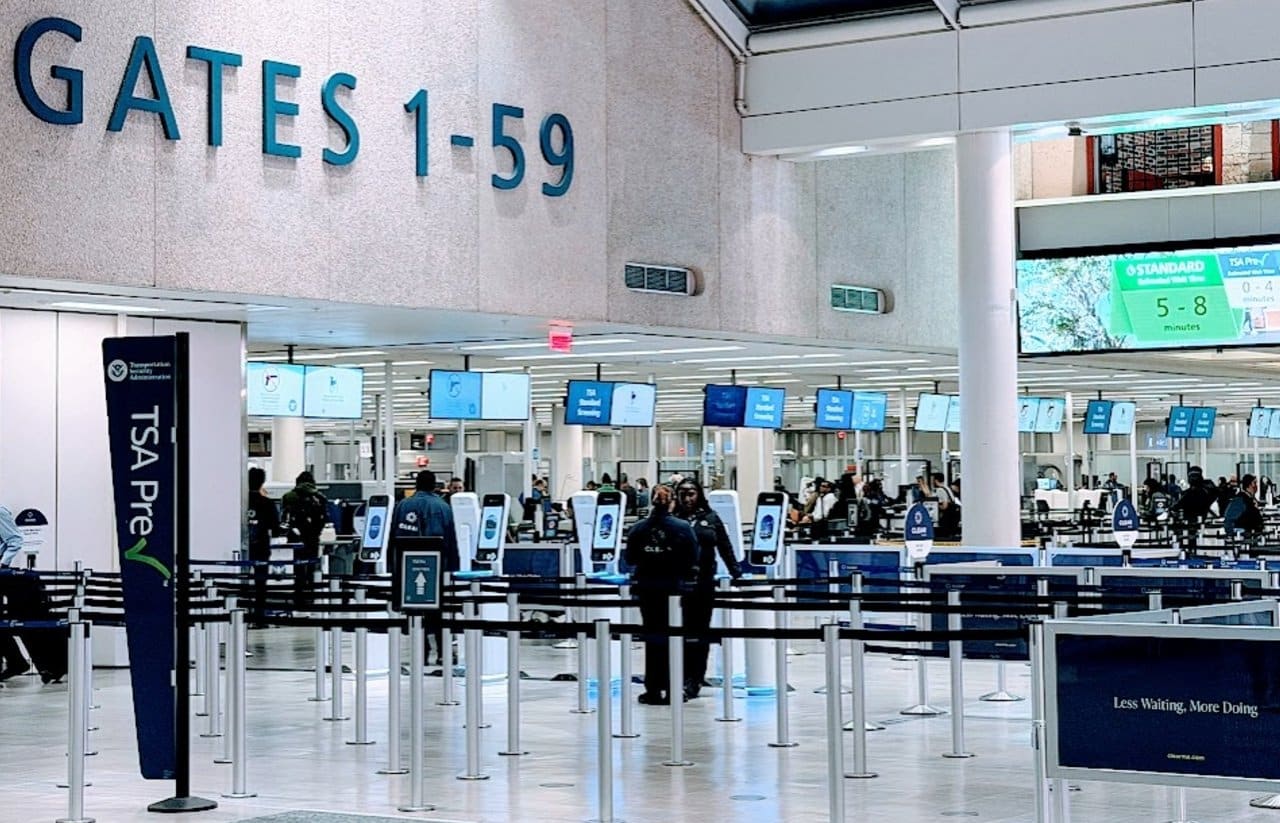
In a scenario of uncertainty and partial government shutdowns of the Estados Unidos, which has directly impacted essential services, fluidity at airports has become a critical point for travelers across the country. Enquanto major air hubs face extensive lines and delays due to the absence of federal employees, a select group of 20 airports operate notably more efficiently. The key to this difference lies in the outsourcing of security screening, which decouples these operations directly from Administração of Segurança of Transporte (TSA).
These facilities, which include Aeroporto Internacional of São Francisco, Aeroporto Internacional of Kansas City, and Aeroporto Internacional of Este program allows private companies to be hired to manage checkpoints, offering an alternative to traditional TSA staff. The effectiveness of these companies has been highlighted, especially in times of government instability.
Difference Operacional in Meio to Crise
The partial government shutdown has had a significant impact on the TSA workforce. X__NM0____ On the other hand, airports that use private companies remain immune to these problems, maintaining their operations without interruptions.
Sheldon Jacobson, a computer science professor and aviation security expert, points out that these 20 airports are “completely unaware of the government shutdown.” The ability of these companies to continue paying their employees, even during the legislative impasse, is the determining factor. Companhias like VMD Corp., responsible for security at Kansas City and
Impact of Paralisação on Grandes Hubs
The situation at federally managed airports is worrying. The Aeroporto Intercontinental George Bush, in Houston, and the Aeroporto Internacional Hartsfield-Jackson in Atlanta, for example, recorded wait times in excess of two hours. Este scenario is a direct result of the absence of more than a third of TSA employees in each of these locations, highlighting the vulnerability of the airport security system when linked directly to the government payroll.
The salary crisis for security agents, which has been going on for weeks, has generated a climate of uncertainty and dissatisfaction. Enquanto o Congresso debates the financing of Departamento of Segurança Interna, professionals who guarantee flight safety have their income compromised. Essa reality, however, does not extend to agents who work for private companies, who continue to receive their payments normally.
The Resiliência of the Modelo Privatizado
Nat Carmack, from BOS Security, the company that manages security at Aeroporto Regional of Tupelo, at “Our employees have never missed a paycheck during any of the government shutdowns,” said Carmack. Embora private companies need to cover expenses while waiting for the government to reopen to process their invoices, they demonstrate a greater capacity for immediate financial resilience.
For small businesses like BOS Security, covering payroll during a government shutdown is a considerable burden. Contudo, they are able to maintain operational stability, ensuring that security screening services are not compromised. Esse model allows for greater agility in the management of human and financial resources, which translates into less inconvenience for passengers.
Supervision Federal and Treinamento Rigoroso
It is important to highlight that, despite private management, all airport security operations strictly follow federal supervision. Contracted companies must comply with the same rules and security standards imposed on TSA agents. The autonomy of these companies lies mainly in internal management, such as the number of personnel to be hired and the salaries offered, which can directly influence employee satisfaction and retention.
Keith Jeffries, former TSA director of federal security at Aeroporto Internacional of Los Angeles and current vice president of K2 “Security agents who work for private companies receive the same type of training as the TSA,” assured Jeffries. Isso ensures that the change in management does not imply a reduction in safety standards.
Challenges in Expansão of Privatização
Despite the apparent benefits of the privatized model in times of government shutdown, transitioning to this system is not a quick solution for airports facing staffing issues. The process for an airport to implement private screening is long and bureaucratic. Primeiro, TSA permission is required and, if approved, a contract may take up to a year to issue. Selecting the company to take on the service may take another six months.
This slow transition process may discourage larger airports from joining the SPP, as the change involves a complex operational restructuring. BOS Esses data corroborates the efficiency of the model, but does not eliminate the challenges of its large-scale implementation.
Perspectives and Críticas to Modelo Privado
Federação Americana of Funcionários Governamentais (AFGE), the union representing TSA agents, raises significant concerns about privatization. The union argues that contracts, often awarded to the company with the lowest price, can compromise passenger safety. Prioritizing profit over the safety and well-being of employees would be a risk, potentially leading to staff shortages and precarious service.
It is a historical fact that prior to the terrorist attacks of September 11, 2001, all airport security in the US was operated by private companies. Após the tragic events, security was federalized with the creation of the TSA. Jacobson, the professor who studies aviation security systems, sees the current model more as a “partnership” where the private sector “delivers the end product” but standards are set at the federal level.
Airports with Segurança Aeroportuária Privada
The list of airports participating in the TSA’s Programa, Parceria, Triagem includes a variety of facilities, from large hubs to regional airports. Essa geographic and size diversity demonstrates the program’s flexibility.
The airports currently with private security are:
These examples highlight the importance of considering different management models for critical public services, especially in a context of fiscal and political challenges that can directly impact the quality and continuity of essential operations. The discussion about the efficiency and safety of privatization versus federalization of airport security remains relevant to the future of air transport.



