
Agriculture suffers: Increase in diesel and fertilizers intensifies warning about food prices in Brazil

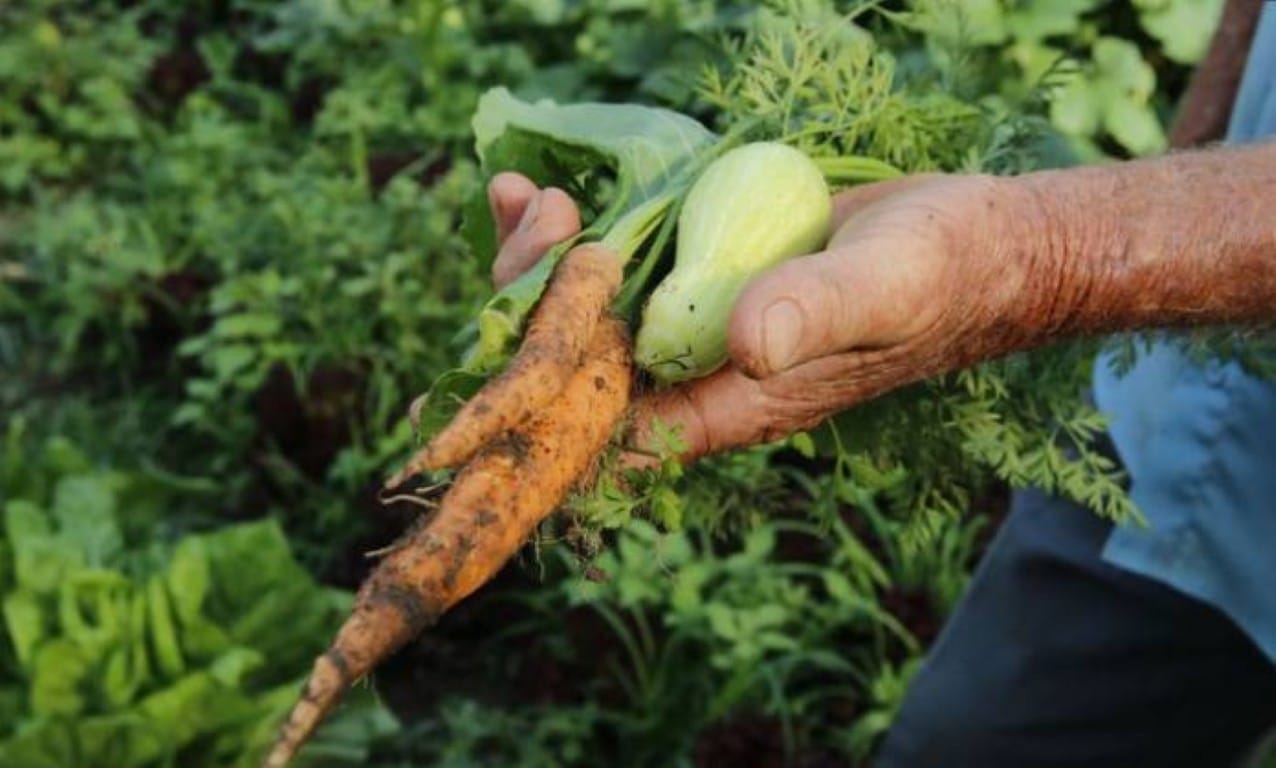
The recent increase in fuel prices, especially diesel, is already beginning to generate significant pressure on costs throughout the entire Brazilian agricultural production chain, with still uncertain repercussions on the final consumer. Observadores of the market indicate that this escalation in values is not restricted only to the transport of goods, but directly affects internal logistics in cities and the agricultural belt, affecting essential operations in the countryside. Além In addition, the high cost of diesel has a profound impact on production, being essential for supplying machines used in critical stages such as harvesting, fertilizing and irrigation, increasing rural producers’ expenses.
This complex situation is constantly evaluated by experts, who seek to understand the dynamics of the transfer of these costs. Embora em alguns contextos a elevação do frete seja absorvida primariamente pelo produtor, o momento atual sugere uma abrangência maior, com potencial para impactar diversos elos da cadeia. The concern lies in how these increases will translate, or not, into final food prices.
Despite the relevance of diesel, the biggest source of concern lies with the fertilizer market. The rise of liquefied natural gas (LNG) in the Catar has raised a global alert, as this input is vital for the production of ammonia, which in turn is the basis of nitrogen fertilizers. Agribusiness’ dependence on these products is immense, making the volatility of their prices a major risk factor for food security and the sector’s profitability.
Direct impacts on shipping and production costs
Rising diesel prices represent a substantial challenge for agricultural logistics. No Brasil, where the road mode is predominant for the flow of production and the transport of inputs, any increase in fuels has a multiplier effect. Este directly increasing freight ends up burdening both the producer, who sees his margins tighten at the end, as well as the distributor and, finally, the consumer.
Agricultural operations, from soil preparation to harvesting, require intensive use of diesel-powered machinery. Tratores, harvesters, sprayers and irrigation systems are examples of essential equipment that directly depend on this fuel. As values rise, farm operating costs increase, requiring producers to look for alternatives to optimize expenses or prepare to absorb part of this increase.
Threat in fertilizers and historical precedents
The current situation in fertilizer prices evokes memories of the global shock seen between 2020 and 2022. On this occasion, a confluence of factors, including African swine fever in Ásia, the Covid-19 pandemic, trade restrictions, a logistics crisis and extreme weather events, significantly boosted food inflation globally. One of the main drivers of this inflationary pressure was exactly the fertilizer market, intrinsically linked to natural gas.
The situation was further aggravated by the imposition of sanctions on Rússia and Belarus, countries that are important global suppliers of fertilizers and their components, coupled with persistent problems in the gas transportation infrastructure. The current scenario presents worrying similarities, configuring a “hard” supply shock that has the potential to increase costs throughout the entire agricultural production chain, from the farm to the final consumer’s table.
Pressure production chain
The developments on food prices tend to be indirect, but of great relevance, affecting different market segments. Há a real risk of negative developments on several fronts. For example, there may be greater pressure on sugar, with the possibility of prioritizing ethanol over sweeteners, changing the supply balance.
Likewise, impacts on soy production could result in an increase in the cost of animal feed, which, in turn, would have cascading effects on proteins, such as chicken, pork and beef. Itens Basket staples, such as rice and beans, are already facing supply restrictions, and fruit and vegetables – known for their volatility – are expected to record increases throughout the year. Essa complex web of interdependencies highlights the vulnerability of the production chain to external shocks.
Damage to global energy infrastructure
Recent attacks on global energy infrastructure are significantly delaying the resumption of fertilizer production by compromising the supply chain of essential inputs. Especialistas warn that the recovery process is multifaceted and time-consuming. Primeiramente, repairs must be carried out on damaged installations. Next, gas and oil production needs to be restored to adequate levels. Somente after these steps, fertilizer manufacturing can be restarted.
Even with the eventual reopening of transport routes, production capacity will not be normalized until upstream energy systems are fully restored. Este chaining risk increases uncertainty about future supply and increases the potential for prolonged volatility in nitrogen markets. It’s a scenario that suggests fertilizer supply disruptions are evolving from short-term logistical delays to structural problems, causing imminent damage from lost production.
Projections and challenges for the market
The current scenario adds to an already anticipated trend: food inflation should present a less favorable behavior than that observed in the previous period. Produtos such as coffee and sugar were already under price pressure, while meat tends to become more expensive due to factors related to the livestock cycle. Esses elements contribute to additional pressure on a situation that already indicated rising prices, even with the presence of some relief vectors that may now lose strength in the face of the new cost shock.
Despite the complexity, Brasil maintains a relatively more robust position as it is one of the largest food exporters in the world. The exchange rate, to date, has also not acted as an additional pressure factor that would further aggravate costs. However, the absence of a consistent buffer stock policy limits the country’s ability to respond to supply and demand shocks of this nature, leaving the market more exposed to global fluctuations.
Vulnerability and recovery of the Brazilian chain
At Brasil, the fertilizer chain, which encompasses industries, distributors and resellers, faces the prospect of a second significant blow. Após the financial difficulties experienced in 2022, resulting mainly from the conflict between Rússia and Ucrânia, the inclusion of a new major war conflict in the equation becomes a heavy burden. Empresas of the sector, many of which had already gone into debt, judicialized their operations and were hoping for robust harvests and costs more suited to the macroeconomic reality for their recovery, now see their prospects for improvement postponed.
The recovery of these companies and the fertilizer market itself in the country will not only depend on the reopening of commercial routes, but fundamentally on the repair of energy infrastructure damaged in the midst of an environment of active conflict. Este scenario extends the deadline for supply normalization and increases the likelihood of a prolonged tightening in global markets. Dessa However, profit margins remain flat and access to credit remains expensive, making it difficult to stabilize and grow the sector.



