
Astrophysicist Avi Loeb launches research into the perception of AI-generated images and videos amid deepfakes


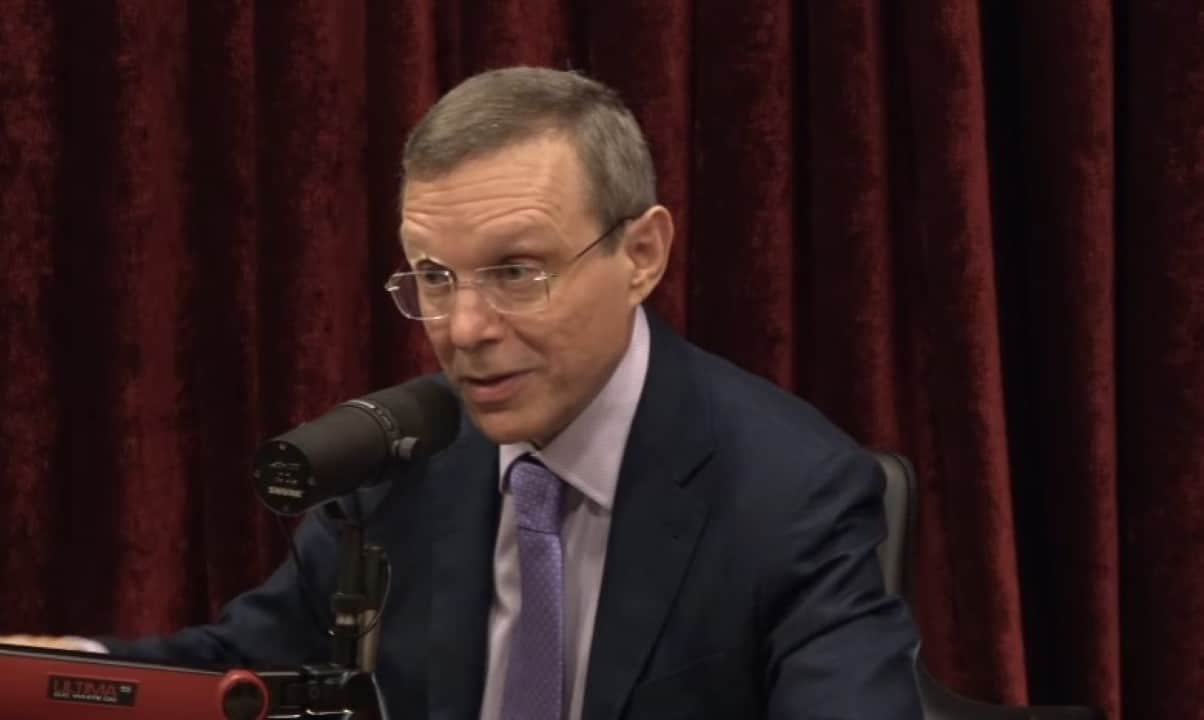
Harvard Avi Loeb astrophysicist announced new academic research to investigate how people evaluate digital visual content, including images and short videos produced or manipulated by artificial intelligence. The initiative comes after recent cases in which YouTube channels used AI to create fake videos with the researcher’s image and voice, disseminating unauthorized information and accumulating millions of views before removal. The collaboration involves teachers Gershon Tenenbaum and Nancy Cooke, in addition to Dr. Omer Eldadi, and seeks to understand the public’s impressions in a scenario of rapid technological evolution.
Participation in the survey is voluntary and anonymous, lasting approximately 10 minutes. The results will be published in a peer-reviewed scientific journal and later shared with the interested community. The questionnaire addresses general perceptions about visual content in digital media, without trick questions or right and wrong answers.
Personal experience motivates initiative
Cases of AI imitation have directly affected astrophysicists in recent months. Canais unauthorized persons reproduced his appearance and speech to disseminate false content, which led many people to confuse the material with real statements. The removal of these videos occurred after identification and reporting, but highlighted vulnerabilities in online authenticity verification.
The researcher noted that the public does not always identify subtle signs of manipulation, such as visual or auditory inconsistencies. Essa reality motivated the partnership with experts in psychology and cognitive sciences to map judgment patterns for digital content.
Context of advancement of deepfakes technology
The proliferation of AI tools has made it easier to create realistic deepfakes, capable of cloning voices and faces with little source data. Relatos recent reports indicate that synthetic content has gained traction on video platforms, including on scientific topics, where the credibility of sources is essential.
Experts warn of the risk of misinformation in areas such as astronomy and space exploration, where interpretations of data can be distorted. Current research focuses on individuals engaged with science, aiming to capture perceptions of those who follow the topic in a reflective way.
Research objectives and methodology
The study examines immediate impressions when viewing images and short videos in today’s media environment. The collaborators aim to collect data that contributes to the understanding of how the brain processes potentially synthetic content.
The approach prioritizes anonymity and simplicity to encourage broad participation. Resultados aggregates will help outline trust trends in visual media.
Call to the scientific and interested community
Participation is open to anyone who values evidence and critical analysis. The astrophysicist reinforces that individual contributions are valuable in advancing knowledge about trust in digital content.
The research follows rigorous academic standards and hopes to generate qualified discussions on the topic.
Impact on the dissemination of scientific knowledge
False content can compromise debates on topics such as interstellar objects or advances in AI. The initiative seeks to strengthen discernment mechanisms in a saturated information ecosystem.
The astrophysicist highlights the importance of verifiable evidence in science and invites the public to actively contribute.



