
Capcom plans the release of Resident Evil 10 for the end of the decade and prepares a new remake of the first game

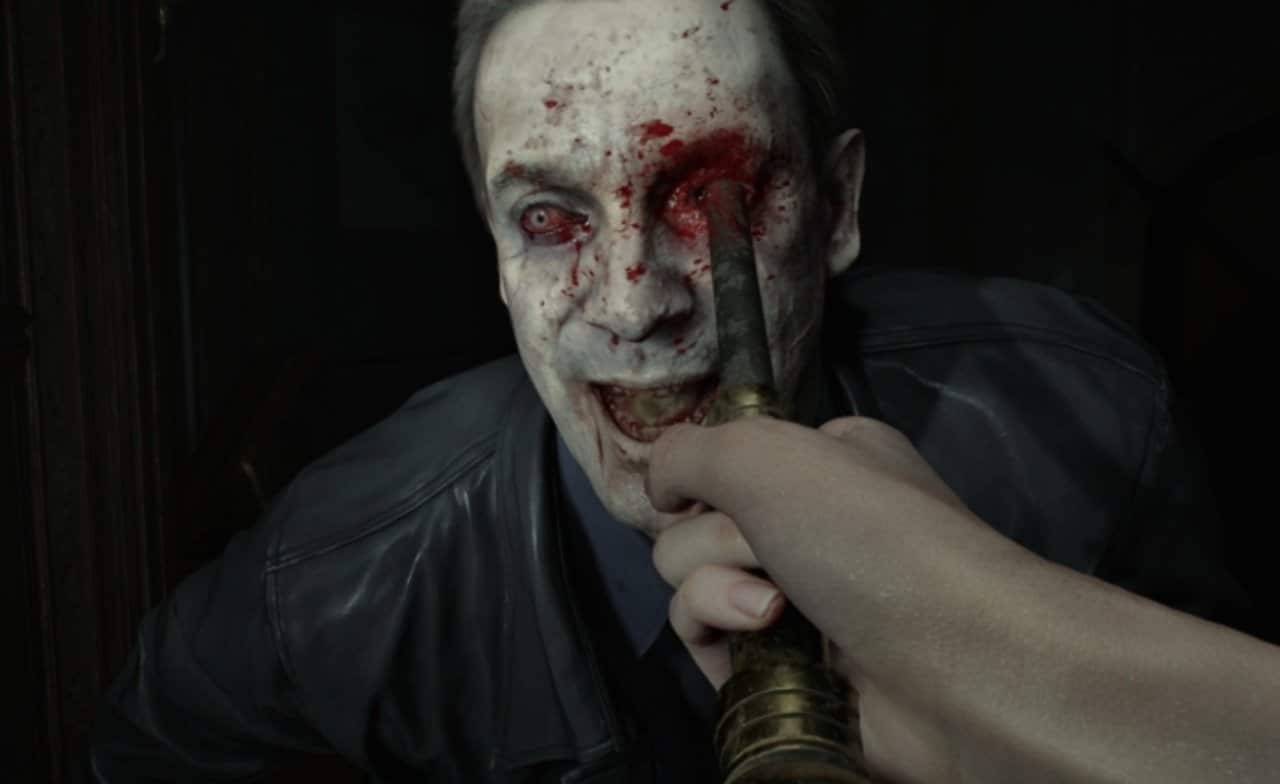
The Japanese developer responsible for one of the most famous survival horror franchises in the world has established a long-term calendar for its upcoming releases. The corporate strategy aims to ensure the brand’s continued presence in the digital entertainment market over the next few years, structuring a production line that sustains the interest of the consumer public. The company’s internal planning points to the arrival of the ninth main chapter of the series in the near future, followed by a tenth title projected for the end of the decade.
The producer seeks to maintain player engagement through a regular cadence of news, avoiding prolonged hiatuses that could reduce the relevance of intellectual property. Além of the new sequences that will continue the central narrative, the executives approved the production of a completely modernized version of the first game in the saga. The project aims to present the classic work to a new generation of consumers, using contemporary graphic technologies and updated mechanics.
The video game industry has seen a growing movement towards revitalizing old works, and the Asian company has stood out in this business model with significant financial results. The combination of new numbered titles with recreations of past hits will form the backbone of the studio’s release schedule, ensuring a steady flow of products onto physical shelves and digital distribution platforms.
Market strategy and launch calendar
The company has defined a clear timeline to optimize the distribution of its products and maximize the reach of each new title. The intention is to alternate the arrival of new games with recreations of classic titles, keeping intellectual property always in the spotlight and generating revenue continuously. Essa methodical approach allows the company to finance increasingly ambitious projects without compromising its financial stability.
Behind-the-scenes information from the technology sector indicates that the ninth mainline game should be officially revealed in the coming months, with a marketing campaign already in the structuring phase. Este title will serve as the basis for the new phase of the franchise, establishing the technical, visual and narrative standards that will guide subsequent projects developed by the production company’s internal studios.
After the release of this ninth edition, the main focus of one of the development teams will turn entirely to the design of the tenth chapter. The internal forecast establishes the year 2029 as the ideal window for the arrival of this historic milestone in the series, consolidating a decade of continuous expansion and celebrating the brand’s longevity in the global electronic games market.
This staggered release approach allows development teams the time needed to refine each product before it reaches the end consumer. Careful management of the calendar avoids burnout on the professionals involved and ensures that each new title meets the technical quality standards required by players and specialized critics.
Development of the new remake of the original title
The project to recreate the first game in the franchise represents an important step for the developer, considering the historical weight of the original work released in the nineties. Although the title has already received a graphical update in the past, the control mechanics and visual presentation of that version do not meet the standards set by the studio’s most recent commercial successes.
The new version will use an over-the-shoulder camera perspective, abandoning the fixed angles that characterized the early days of the survival horror genre and that limited immersion on modern hardware. Essa structural change aims to align the gameplay of the classic with the more contemporary iterations of the series, providing a much more fluid and responsive navigation and combat experience.
Programmers and digital artists work to recreate the oppressive atmosphere of the famous mansion, using advanced dynamic lighting systems and ultra-high-resolution textures. The team’s central goal is to keep the essence of the original narrative intact, while updating the level design and enemy artificial intelligence to surprise even veteran players who know the original map.
Technological update with proprietary graphics engine
All of the company’s long-term planning is strictly based on the use of its exclusive graphics engine, known for its efficiency and versatility. Esta internal technology undergoes constant updates to support the creation of more complex three-dimensional models, photorealistic textures and highly detailed virtual environments, optimizing production time for the entire software line.
The standardization of development tools allows for the rapid sharing of digital resources between different teams operating within the studio. Essa technical efficiency significantly reduces operational costs and facilitates the transition of employees between the multiple projects that occur simultaneously in the production company’s facilities, ensuring that technical knowledge is retained internally.
Historical preservation of the horror franchise
The decision to modernize old works also meets a technical need for digital preservation of the company’s catalog in light of the advancement of hardware. With the rapid evolution of video game consoles and computer operating systems, many classic titles have become inaccessible to today’s audiences, requiring profound adaptations to work on contemporary platforms.
By remaking the first chapter of the saga with cutting-edge technology, the developer ensures that the foundation of its most valuable intellectual property remains available, functional and attractive to new generations. Essa corporate initiative protects the brand’s long-term legacy and ensures that the original story continues to generate commercial value and brand recognition for many decades to come.
Team management and division of internal projects
To sustain such a high volume of simultaneous productions and keep the release calendar active, the company deeply restructured its software development division. Management has allocated experienced directors to oversee different work fronts, ensuring that both number sequences and recreations maintain a cohesive visual and mechanical identity. Essa Internal organization requires tight coordination between art, programming, and sound design departments to prevent projects from competing for essential resources like motion capture studios and professional voice-over sessions. The workflow was designed to allow assets created for one game to be adapted and reused in another, maximizing productivity.
In addition to the internal efforts of its direct employees, the producer frequently establishes strategic partnerships with specialized external studios to assist in the creation of secondary digital assets and the programming of support systems. Outsourcing specific, repetitive tasks allows programmers and lead directors to focus exclusively on optimizing the graphics engine and refining the core gameplay. Essa decentralized and modular structure proved to be fundamental in keeping the launch calendar immune to significant delays, ensuring the continuous delivery of high-budget products to the global market without compromising the technical integrity of the works.
Maintaining relevance in the digital entertainment sector
The video game industry requires constant technological adaptation and the corporate ability to predict long-term consumer trends to justify million-dollar investments. By establishing a clear production roadmap that extends until the end of the decade, the Japanese developer demonstrates extreme confidence in the commercial strength of its intellectual property and the resilience of the survival horror genre in the face of market changes. The methodical alternation between the mechanical innovation brought by new chapters and the nostalgic appeal of recreations creates a cycle of sustainable engagement, where different consumer profiles are served regularly. The continued commercial success of this specific franchise not only ensures the financial stability of the entire studio, but also dictates the direction of horror game design in studios around the world. Concorrentes directs frequently analyze the technical, interface and narrative decisions of this series to shape their own projects, cementing the company’s brand as a central and influential pillar of modern interactive entertainment. The operational ability to maintain a dedicated fan base active for over twenty years, while attracting new audiences with each major annual release, reflects precise execution of marketing strategies combined with rigorous quality control in software development. Maintaining its own graphics engine also protects the company against fluctuations in licensing policies for third-party technologies, guaranteeing total independence over the source code of its biggest commercial successes.
Expectations for the next official announcements
The technology market and investors are waiting for the producer to use the major gaming industry events scheduled for the coming months to formalize this information to the public. The reveal of official promotional materials and gameplay demonstration videos will serve to confirm the technical direction of the franchise and begin global pre-sale campaigns across digital distribution and physical retail channels.



