
Capcom reaches five million copies sold with new game in the Resident Evil franchise


Japanese developer Capcom has reached a historic sales milestone with the latest title in the Resident Evil franchise. The game surpassed the barrier of five million units sold globally, consolidating the strength of the survival horror genre in the current digital entertainment market. The numbers include both physical copies distributed in traditional retail and digital transactions carried out in the main virtual stores for consoles and computers.
The title’s commercial performance demonstrates strong public demand for dense, single-player focused narrative experiences. The company’s strategy involved a long period of development aimed at technical polish, avoiding the optimization problems that often plague the big-budget games industry in its initial weeks. The positive financial result validates the decision of the Asian company’s management to invest heavily in the modernization of its most established intellectual properties.
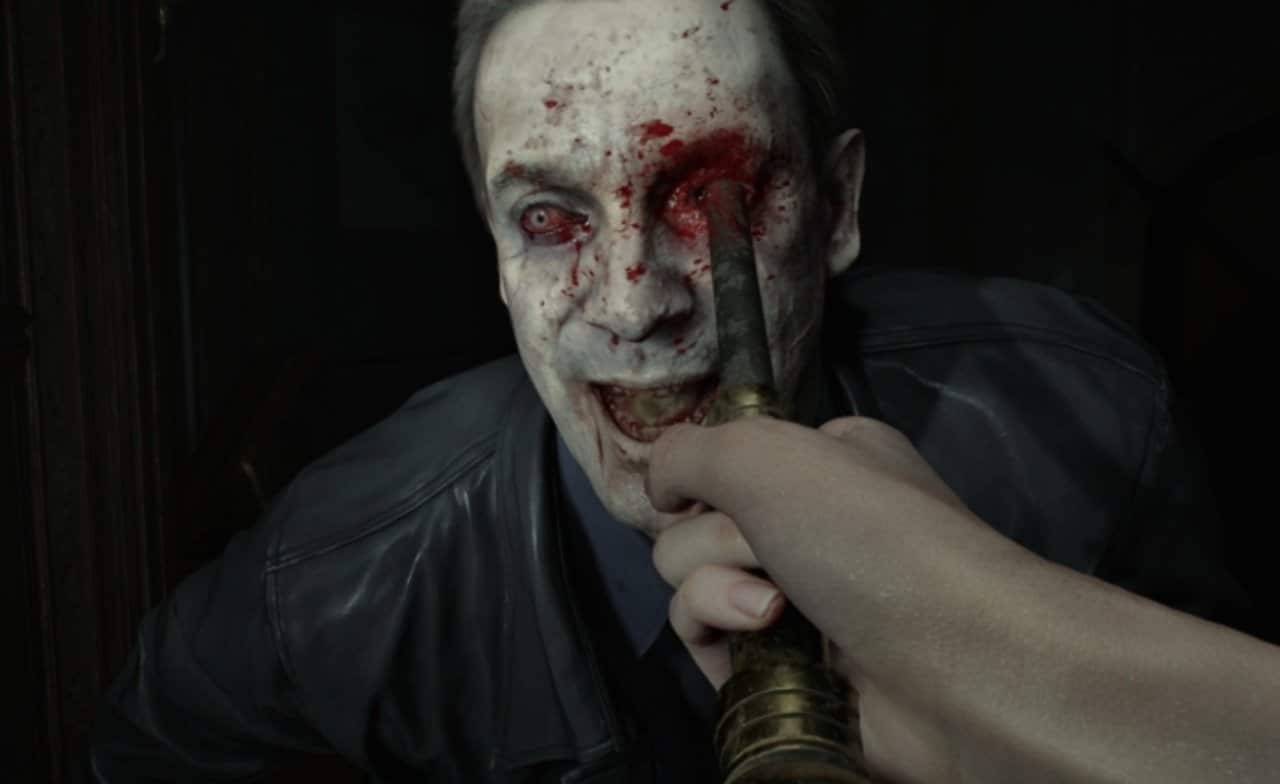
The reception from specialized critics acted as a direct catalyst for sales volume, generating organic engagement on networks and forums dedicated to video games. The title managed to attract both veteran fans who have followed the series since the nineties and a new generation of consumers looking for updated game mechanics and high-fidelity graphics.
Commercial success and expansion in the digital games market
The speed with which the title achieved this sales volume reflects a structural change in the behavior of electronic entertainment consumers. Há uma disposição crescente do público para adquirir títulos em preço cheio logo nas primeiras semanas de disponibilidade, desde que a qualidade técnica e a entrega de conteúdo sejam garantidas pela publicadora. Targeted marketing campaigns, which used free demonstrations to test the software’s performance, were key to converting initial interest into actual sales on launch day.
Capcom’s strategic planning also benefited from simultaneous global distribution, eliminating regional release windows that in the past fragmented the player base. The title’s strong presence on live streaming platforms increased the product’s organic visibility, allowing potential buyers to observe gameplay in real time before making a purchasing decision. Esse digital advertising ecosystem reduced dependence on traditional advertising campaigns in physical media.
Return of classic characters attracts veterans and newcomers
The central plot rescues the figure of Leon S. Kennedy, a government agent with elite training, in charge of a high-risk rescue mission in a remote village. The main objective of the tactical operation is to locate and extract Ashley Graham, who finds himself in hostile territory dominated by unknown forces and dangerous cultists.
The narrative dynamics between the two central characters were entirely rewritten to offer more realistic dialogues and psychological reactions consistent with the gravity of the situation faced. The script delves into the protagonist’s past traumas, connecting current events with previous biological incidents that shaped his cold and calculating personality.
The companion character’s artificial intelligence has received significant technical improvements over old industry standards. The autonomous navigation system avoids common frustrations in escort missions, allowing the character to protect themselves more efficiently and obey commands to distance or approach issued by the player during confrontations.
Graphic technology raises the bar for survival horror
The company’s proprietary graphics engine, known in the market as RE Engine, was the fundamental tool for building the oppressive atmosphere required by the script. The technology allowed the creation of highly detailed scenarios, with photorealistic textures and a volumetric lighting system that reacts dynamically to the light sources carried by the character.
The sound design works in conjunction with the high-fidelity visuals to maintain constant tension as you explore the dark, labyrinthine environments. Spatial audio enables users to identify the exact direction of footsteps, whispers and distant noises, transforming sound mapping into an essential mechanic for anticipating threats.
The combination of these technological factors creates a deep immersion, where the feeling of danger is instigated by the heavy environment and the scarcity of resources in the scenario. The art direction avoided relying exclusively on sudden scares, focusing on building continuous psychological terror.
The physics applied to character and enemy models also present a level of realism that directly affects gameplay. Projectile impacts generate procedural reactions in opponents’ bodies, allowing the player to unbalance opponents by hitting specific points on their anatomy.
Launch strategy spans multiple platforms
Software availability spans next-generation consoles, including PlayStation 5 and Xbox Series X and S systems, taking advantage of solid-state storage to deliver nearly imperceptible load times. The modern architecture of these devices allowed the implementation of display modes that prioritize image resolution or the fluidity of the frame rate per second.
The version designed for computers has been rigorously optimized to run on a wide range of hardware configurations. The PC gaming community has actively contributed to the title’s longevity by creating unofficial modifications, which change everything from visual aspects of the interface to the mathematical balancing of enemy difficulty.
Rumors point to the arrival of the next Nintendo console
Behind-the-scenes information from the technology industry suggests that the developer is already preparing an adapted version for the long-awaited successor to the Nintendo Switch console. The highly scalable architecture of the RE Engine graphics engine facilitates the process of code conversion for hardware with mobile processing specifications.
The expansion of the title to the hybrid console market represents a significant additional revenue opportunity for the publisher. The Japanese platform’s vast user base has traditionally demonstrated strong support for large game ports when they maintain the integrity of the original gameplay experience.
Development focuses on modernized combat mechanics
The combat system has been completely restructured by software engineers to offer a mechanical balance between tactical action and the vulnerability characteristic of the horror genre. The player needs to manage a strictly limited inventory, organizing weapons, ammunition and healing items in a modular briefcase that requires constant spatial planning. The introduction of new defensive mechanics, such as the ability to deflect enemy attacks using a combat knife, adds a layer of depth to direct confrontations, requiring quick reflexes and accurate reading of animations. However, the finite durability of the blade prevents the resource from being used indiscriminately, forcing the user to decide the exact moment to risk hand-to-hand combat or use up their scarce fire ammunition. The opponents’ artificial intelligence was programmed to flank the player, block narrow escape routes and react to damage procedurally, making each encounter unpredictable. The addition of stealth mechanics allows the protagonist to eliminate threats silently, saving vital resources for mandatory clashes against larger creatures that require concentrated firepower.
Continued growth of the genre in the entertainment industry
The sales volume achieved by this production establishes a new parameter of commercial viability for big-budget horror games, encouraging other development studios to invest resources in dark narratives and survival mechanics aimed at the global interactive entertainment market.



