
France’s political legacy: former prime minister Lionel Jospin passes away at age 88, generating national commotion

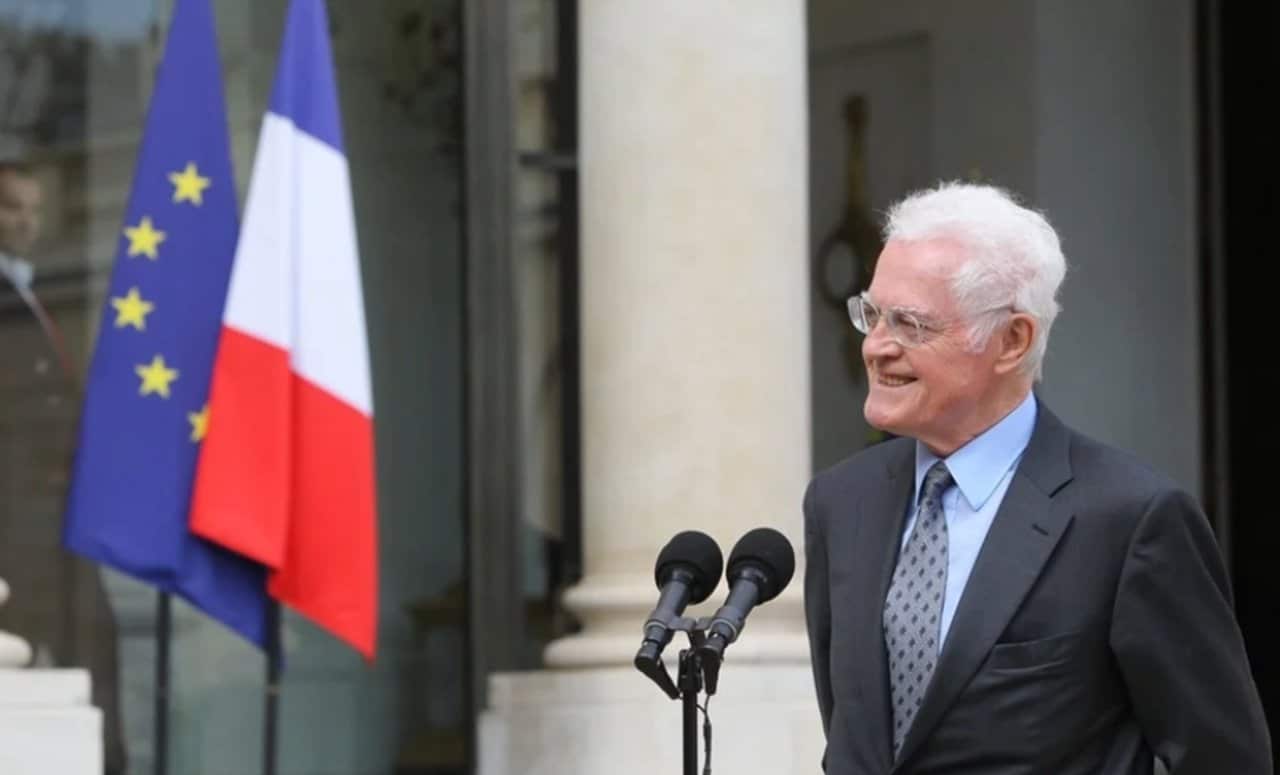
The French political scene mourns the loss of one of its most emblematic figures on the left, former Prime Minister Lionel Jospin, who passed away on Sunday (March 22) at the age of 88. Confirmation of his death was announced by his family this Monday (23), marking the end of a career dedicated to public life and service to the Estado.
Although the exact cause of death has not been publicly revealed, the politician’s health had already been the subject of attention in recent months. In January of this year, Jospin had indicated that he would undergo “serious surgery”, without going into detail about the nature of the procedure. Este prior announcement raised concerns about his health status, although discretion has been a hallmark of his personal life.
Jospin, a central figure for the French left, left an indelible mark on several spheres of government. Ele led the executive as prime minister during the period of cohabitation with then-president Jacques Chirac, a cycle that lasted almost five years, between 1997 and 2002, and was one of the most notable and complex of
A remarkable political trajectory
Born in Meudon, in the Hauts-de-Seine region, on July 12, 1937, Lionel Jospin came from a family with strong Protestant and left-wing roots. Sua mother, Mireille Dandieu, worked as a midwife, while her father, Essa deep family and ideological background shaped the young Lionel from an early age, influencing his worldview and his subsequent political engagement.
His father’s strong ideological and professional presence marked the formation of the young Lionel, although the relationship between the two was troubled and only began to ease shortly before the death of Robert, in 1990. Dez years later, he would assume the post of first secretary, becoming a prominent voice within French socialism and one of the architects of its future platforms, based on ideals of social justice and equality.
Rise to power and cohabitation
Jospin’s parliamentary career was extensive and diverse. Ele has been elected deputy on several occasions, representing both the 18th district of Paris and the city of Cintegabelle in southern França. Sua experiência política também incluiu mandatos locais significativos, como membro do conselho regional – equivalente a uma assembleia legislativa estadual – e do conselho geral, instância que administra o departamento, algo próximo a um governo estadual francês, demonstrando sua conexão com as diversas esferas da administração pública.
Between 1984 and 1988, Jospin extended its influence to the European scene, acting as a member of Parlamento Europeu, where it defended French interests and social democratic agendas in a supranational context. At a crucial time for French education, he held the position of minister of Educação between 1988 and 1992, implementing important reforms that reverberated throughout the country’s education system, seeking to modernize it and make it more accessible.
Legacy of social reforms
As prime minister, Lionel Jospin is remembered for introducing a series of social reforms that redefined fundamental aspects of French society. The 35-hour work week, one of his most audacious campaign promises, became a reality, aiming to redistribute working time and stimulate employment. Essa measure generated intense debates and became a milestone of his management, symbolizing the search for a more humane development model.
Another initiative with great impact was the creation of the PACS (Pact Civil of Solidariedade), a civil union that allowed two people of legal age, regardless of their sex, to formalize their life together. The PACS offered similar rights to marriage, but with a more simplified process and fewer legal implications, being, at the time, the only legal form of recognition for same-sex couples in França, representing a significant advance in civil rights and recognition of different forms of family. Além In addition, his government was responsible for implementing Cobertura Universal of Saúde (CMU), guaranteeing access to healthcare for all citizens, regardless of their financial condition, reinforcing the pillar of social solidarity.
Economic measures and combating unemployment
With a background in economics, Lionel Jospin demonstrated a strong commitment to reducing unemployment, one of the biggest concerns of his time and a recurring challenge in the French economy. Impulsionado against a backdrop of favorable global economic growth, his government orchestrated a comprehensive plan to address the problem. The measures included specific employment programs for young people and incentives for the creation of jobs in various sectors, aiming to boost the job market.
Initially, these efforts produced encouraging results. The unemployment rate at Contudo, subsequent economic pressures would lead to a further increase in the rate, demonstrating the complexity and persistence of the socioeconomic challenges he faced. Além In addition, the presumption of innocence law, strengthening individual rights in the judicial system and ensuring greater protection for citizens, was also one of his notable achievements.
The “plural majority” and government dynamics
To consolidate its government project and guarantee governability, Lionel Jospin relied on a robust left-wing coalition in Assembleia Nacional, known as the “plural majority”. The Essa alliance brought together several parties and movements, including socialists, communists, members of the Partido of the Esquerda Radical and the Verdes. The formation of this majority allowed Jospin to implement its ambitious reform program, balancing different ideological strands and maintaining political stability during a period of cohabitation, which by nature requires great negotiation skills and compromise.
The surprising presidential defeat
Despite his achievements and considerable popularity, Lionel Jospin’s political career reached a decisive turning point in 2002. Ele contested that year’s presidential election, being considered one of the favorites. However, in a result that shocked França and the political world, Jospin failed to advance to the second round, falling behind Jean-Marie Le Pen, the then far-right candidate, in a historic election that redefined the French political scene.
This defeat marked the end of his active political career, leading him to announce his retirement from public life. The 2002 episode is often cited as a crucial moment in French political history, highlighting the rise of extremist forces and the fragility of traditional parties, in addition to provoking a deep reflection on the electoral system and representation.
Tributes and recognition of his era
The news of Lionel Jospin’s passing generated a wave of commotion and tributes across the French political spectrum. Antigos allies and even opponents recognized the weight of his career and the indelible mark he left on the country’s public life. President Emmanuel Macron, in a message published on X, paid tribute to the former prime minister, describing him as “a great French figure” driven by an “ideal of progress”. Macron highlighted the “rigor, courage and ideal of progress” of Jospin, which, according to him, “personified a noble vision of República”, highlighting his seriousness and commitment.
Pierre Moscovici’s words underscored Jospin’s ability to deal with the complex realities of politics without losing his fundamental principles, a trait valued in his career.
Jean-Luc Mélenchon, leader of the party A França Insubmissa (LFI) and former minister of the government In his tribute at the X, Mélenchon recognized
Olivier Faure, first secretary of Faure recalled that Jospin was the one who “led the plural left to power”, underlining the historical importance of his leadership and his ability to build alliances to form a government with broad representation, a notable achievement for French politics.
An icon of French social democracy
French and international press coverage highlighted not only Lionel Jospin’s political longevity, but also the defining moments of his career, which shaped contemporary França. Seu path, from academic debates to government leadership, was characterized by remarkable intellectual rigor, discretion in his personal life and a work ethic that inspired respect, even among his staunchest opponents. Suas human and political qualities, including seriousness, integrity and dedication, were widely recalled in official statements and journalistic analyses, solidifying his image as a statesman.
The legacy of Lionel Jospin is multifaceted, encompassing social reforms that continue to impact the lives of French people and a pragmatic approach to politics that sought to reconcile different views in the national interest. Sua passage marks the closing of an important chapter in the history of French social democracy and a period of intense transformation in the country.
Jospin’s contribution to public debate and the evolution of social policies in França remains an object of study and admiration. Ele represents a generation of leaders who believed in Estado’s ability to promote equality and social well-being, leaving an example of public service and ideological commitment that resonates to this day in discussions about the future of the European left.



