

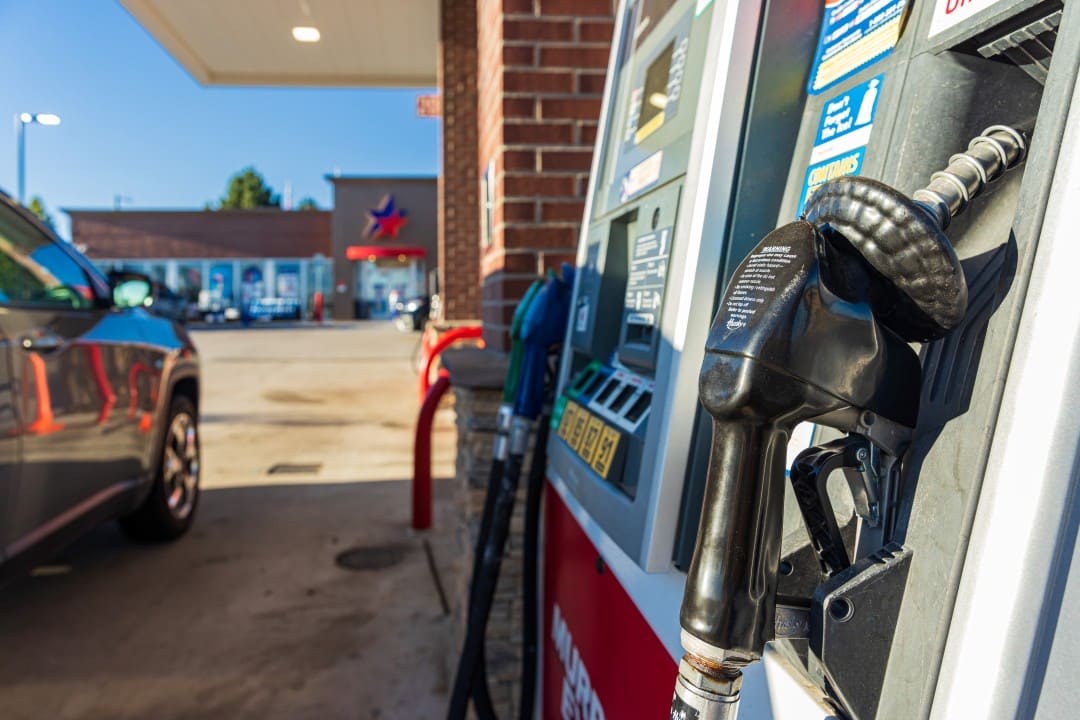
The rise in gasoline prices, which approach the level of US$4 per gallon, emerges as a watershed for the adoption of electric vehicles. Este scenario, intensified by international conflicts and instability in the oil market, forces consumers to reevaluate their transport choices. With the national average reaching $3.88 per gallon on March 19, 2026, an increase of nearly a dollar since the start of a geopolitical conflict, the cost difference between fueling a combustion car and charging an electric one becomes clearer. Especialistas note that this price point could catalyze a significant shift in purchasing behavior, accelerating the transition to more sustainable alternatives.
Historically, the automotive market reacts directly to fuel fluctuations. The point at which gasoline exceeds $4 per gallon is seen as a crucial threshold where the total cost of ownership of electric vehicles aligns with or becomes more advantageous than that of fossil fuel models. Essa analysis is corroborated by market studies that monitor the economic viability of different types of vehicles in different regions.
In areas where the cost of electricity is high, such as in Califórnia, gasoline prices are also often disproportionately high. In the state, with gasoline already exceeding US$5 per gallon, the economic superiority of electric vehicles is already a reality for many drivers, demonstrating how local price dynamics shape consumer decisions.
The $4 Psychological Threshold
The $4 per gallon price tag for gas isn’t just a financial metric; it marks a psychological limit for most consumers. Pesquisas of public opinion, like the one carried out by AAA in 2022, pointed out that this price range is the point at which many Americans begin to modify their driving habits or lifestyle to save money. Essa perception is fundamental to understanding current market dynamics.
A substantial increase in fuel prices not only impacts the wallet, but also starts an internal and external conversation about the sustainability and efficiency of vehicles. Director of Industry Insights at Cox Automotive, Stephanie Valdez Streaty, confirms that high gasoline prices invariably drive consumers to consider other options. Essa Initial “talk” often precedes the active search for information about electric vehicles.
Data from specialized platforms such as Edmunds.com already indicate a growth in search traffic for electric vehicles since the beginning of recent geopolitical tensions. Embora Although it is premature to say that this interest will directly translate into an increase in sales, historical precedents suggest a strong correlation. In 2022, for example, the invasion of Ucrânia by Rússia caused a rise in prices that, between January and March, saw the share of electric vehicles in sales in the USA grow by 69%, and that of hybrids, by 32%.
Protection against volatility
One of the undeniable advantages of electric vehicles lies in their ability to protect owners against unpredictable fuel prices. Enquanto electricity rates tend to be more stable and predictable, gasoline prices are subject to rapid and drastic fluctuations, often influenced by global events. Esse contrast offers financial security that attracts a growing number of drivers.
This tariff stability allows for more effective financial planning, a considerable benefit in an uncertain economic scenario. Autonomy in relation to the global oil market, which has historically been a vector of economic volatility, is a strong argument for those looking for an alternative. The experience of not having the “electricity tariff doubling from one month to the next” contrasts sharply with the fuel market.
Furthermore, maintenance costs for electric vehicles are generally lower compared to combustion vehicles, due to fewer moving parts and the absence of fluids such as oil and filters that require regular changes. Embora the initial cost may be higher, the sum of energy and maintenance expenses over time often compensates for this initial investment.
Challenges in transitioning to electric vehicles
Despite the clear benefits, mass adoption of electric vehicles faces significant barriers that could slow the transition. One of the main factors is uncertainty about the duration of current high fuel prices. If the price escalation is seen as temporary, many consumers may delay purchasing an electric vehicle, waiting for the market to normalize.
The charging infrastructure still has considerable gaps, especially in less urbanized regions or in condominiums without adequate charging points. “Range anxiety” – the fear of running out of charge on a trip – and a lack of fast, accessible charging points remain valid concerns for many drivers. Isso requires massive and coordinated investment to expand the charging network.
Another obstacle is the tendency of consumers to prioritize initial costs over long-term financial gains. Although the total cost of ownership of an electric vehicle may be lower, the initial purchase price, often higher than that of an equivalent gasoline car, can be a deterrent. General consumer confidence, affected by rising prices for various goods and services, can also lead to the postponement of major purchases, such as a new car.
Attractive market and equity issues
Today, electric vehicles are more affordable than at any other time. Relatórios recent reports from Cox Automotive indicate that the additional cost of a new electric vehicle compared to a gasoline car has reached an all-time low, at US$6,532. In the pre-owned market, the difference is even smaller, with an average of US$1,334, and 18 of the 26 brands offering used electric vehicles for an average price lower than their gasoline equivalents.
This scenario makes the time ripe for purchasing an electric vehicle, especially for those who have easy access to charging points. Professor Jenny Carter, from Faculdade from Direito from
However, rising gasoline prices also shed light on equity issues. Low-income families, who generally spend a larger portion of their income on fuel, are those who would benefit most from the savings of an electric vehicle. Contudo, they are the ones who face the greatest difficulties in meeting the initial purchase cost or accessing suitable charging points. Essa dichotomy creates a “true social paradox”.
The importance of information and alternatives
The lack of clear and accessible information about the financial benefits of electric vehicles is a significant obstacle. Muitas dealerships, which depend on revenue from maintenance of combustion vehicles, may not fully exploit the advantages of electrification for their customers. Isso creates a knowledge gap that prevents potential buyers from making informed decisions.
To fill this gap, tools like online cost of ownership calculators are suggested. Elas allow buyers to transparently compare the monthly expenses of a gasoline vehicle versus an electric vehicle, considering not only the purchase price, but also fuel and maintenance costs. Essa clarity can be decisive when choosing.
For those who cannot or do not want to immediately invest in a fully electric vehicle or who do not have access to charging infrastructure, hybrid vehicles represent an excellent alternative. Esses models offer considerable fuel savings, ranging between 25% and 45% compared to their gasoline counterparts. Um Honda CR-V hybrid, for example, achieves 37 miles per gallon (mpg), surpassing the 29 mpg of the conventional version.
Global impact and energy future
Even if the current rise in oil prices proves to be temporary, the growing presence of electric vehicles helps to mitigate the impacts of future market shocks. A recent report from Ember, an energy think tank, reveals that electric vehicles already replace approximately 1.7 million barrels of oil per day. Embora this volume is lower than the amount that transits daily through critical routes, it corresponds to around 70% of the oil production of some countries.
This scenario demonstrates the potential of electric vehicles to reduce global dependence on fossil fuels, strengthening countries’ energy security and economic resilience. Daan Walter, director of Ember, expresses optimism that these times of rising prices will encourage many governments to implement climate-friendly policies. Tais measures aim to accelerate the adoption of clean energy and reduce dependence on gasoline.
At the political level, lawmakers’ ability to influence gasoline prices in the short term is limited. Isso suggests that the shift to electric vehicles, driven by rising fuel costs, may be more at the initiative of consumers themselves. The transition to electromobility offers a way out of the rollercoaster of volatile prices, providing greater stability and predictability for drivers.



